
























































The last couple of years have been nothing short of fascinating when we talk about the recent advances in automotive technology. Modern cars are rapidly becoming computers on wheels, and a new electric vehicle can already connect to the internet, receive software updates, and communicate with surrounding infrastructure. The next logical step raises a fascinating economic question of whether a car can autonomously pay for its own services, and not just self drive itself.

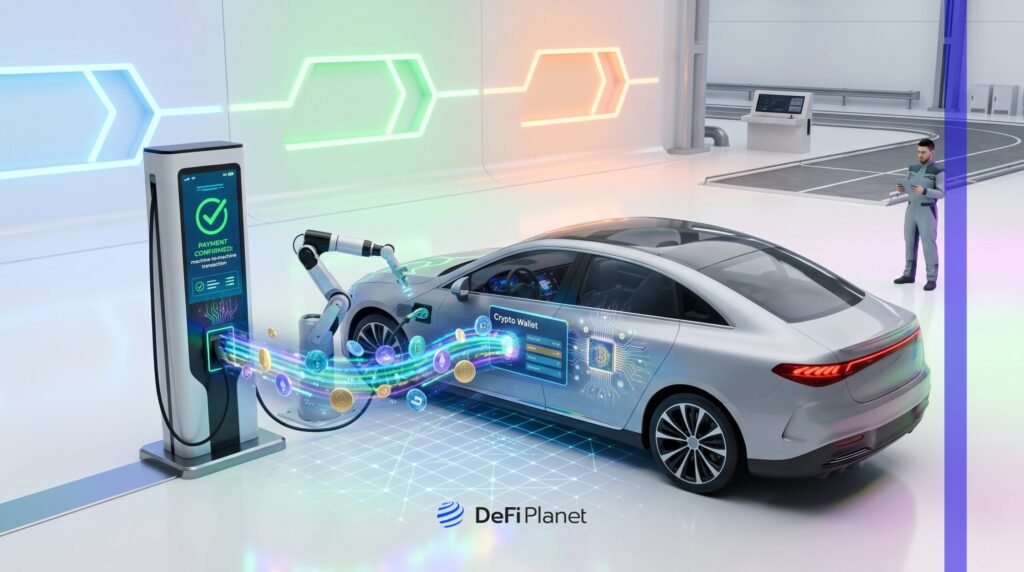
A self-driving vehicle pulling into a charging station and paying for its electricity instead of having the driver reach for a credit card is one that will herald a change in how man interacts with machines. This car will automatically initiate a transaction and confirm the charge on a distributed ledger, and then drive off once the payment is settled. The same vehicle could automatically pay tolls, parking fees, insurance micro-premiums, and maintenance costs.
This concept is often described as machine-to-machine finance, a system where devices exchange value directly without human intervention. Supporters believe this model could transform digital commerce, especially in a world filled with connected devices.
The question is whether crypto infrastructure can realistically power this vision. This article treats the scenario of a self-driving car paying for fuel as a real stress test of blockchain infrastructure rather than speculative futurism. To understand whether the idea is viable, we need to examine autonomous vehicle payments, IoT crypto transactions, and the broader architecture required for machine-to-machine finance.
The Idea of a Machine Economy
The concept of machines exchanging value is closely tied to the growth of the Internet of Things, and this refers to a global network of connected devices ranging from smart thermostats to industrial sensors and autonomous vehicles.
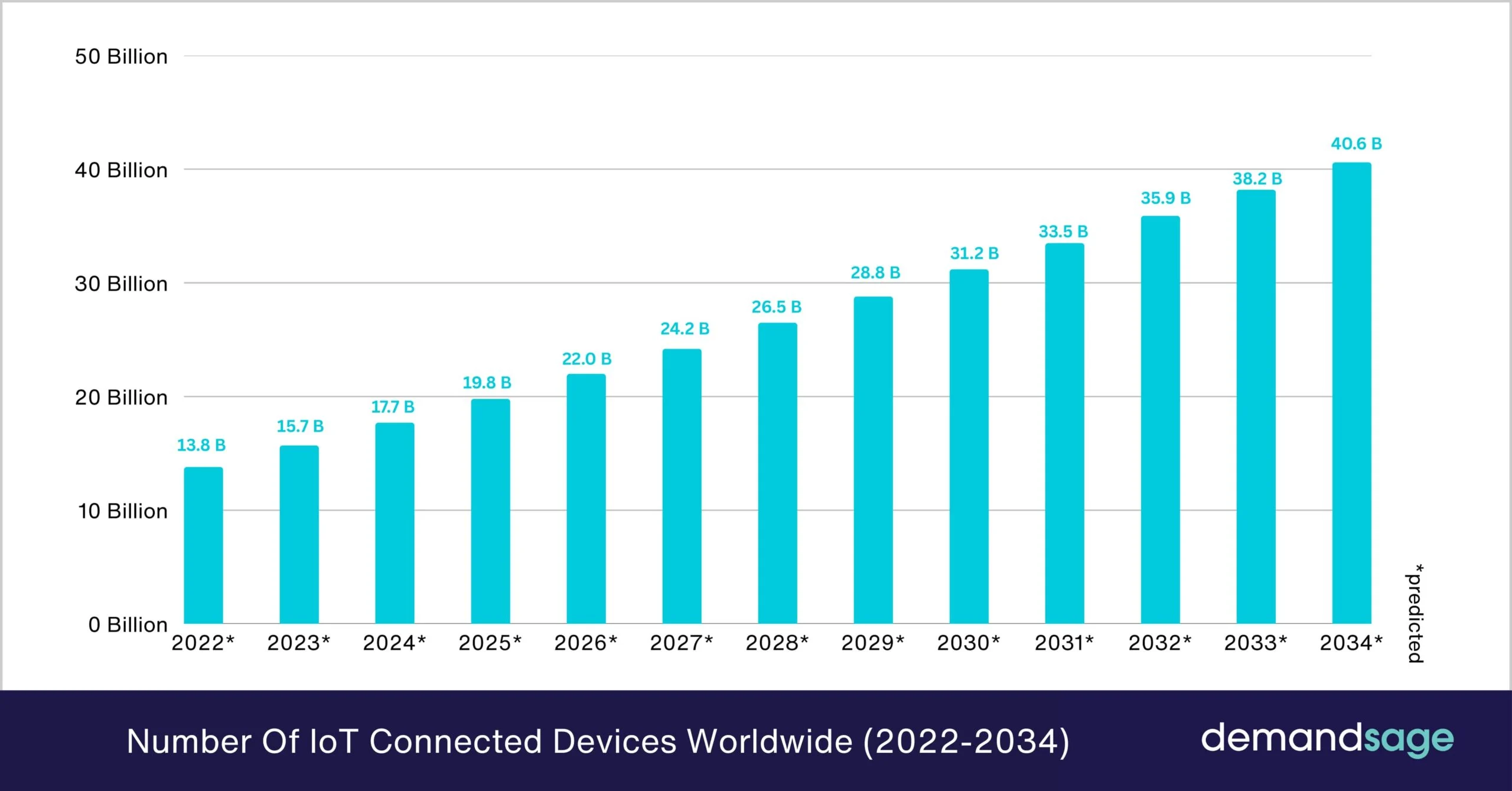
Analysts estimate that tens of billions of IoT devices will be connected worldwide over the next decade, and when these devices begin exchanging services and data, the number of economic transactions could grow dramatically. Some projections suggest that machine-generated transactions could reach billions annually as autonomous systems become more common. This possibility will introduce a new economic layer, and that is, devices could buy bandwidth, electricity, storage, data, or computational power in real time.
A delivery drone could pay for airspace navigation services, a smart appliance could purchase electricity at dynamic market rates, and a self-driving car could pay tolls and charging stations automatically. This is the core vision behind machine-to-machine crypto payments in autonomous systems. In theory, blockchain networks could serve as the settlement layer for these automated transactions, but turning that theory into reality requires solving several complex technical problems.
One of the biggest challenges is coordination between devices that were not originally designed to operate as financial actors, as most IoT hardware was built to collect data or perform simple automated tasks. Enabling these devices to securely send and receive payments requires entirely new software architectures, identity systems, and security frameworks.
Another challenge is transaction volume because if billions of devices begin executing payments automatically, the financial infrastructure must be able to support the enormous scale of activity and traditional financial networks were typically designed for just human transactions. Machine-generated commerce could increase transaction frequency by several orders of magnitude, and with every sensor reading, data request, or energy transfer, it could theoretically trigger a micro payment.
You also have the question of trust between machines owned by different companies, because in many cases, devices will interact with infrastructure operated by unrelated entities. A self-driving vehicle might charge at a station owned by one company, pay road tolls to another operator, and purchase navigation data from a third provider. Systems that allow these devices to transact securely without relying on a single centralized intermediary become particularly attractive in this context.
And as such, this is where blockchain technology begins to appear relevant; distributed ledgers can create shared records of transactions that multiple organizations trust without needing a central authority. Smart contracts could allow devices to negotiate prices, verify service delivery, and settle payments automatically. Now, in theory, this infrastructure could allow IoT devices executing transactions through blockchain to operate as independent economic participants.
Yet even with these possibilities, the path toward fully autonomous machine commerce remains uncertain because the infrastructure required for autonomous vehicle payments, device identity verification, and secure digital wallets is still evolving. Engineers must solve problems related to scalability, latency, hardware limitations, and security before the machine economy can operate at a global scale.
For now, the idea of machines exchanging value remains a powerful concept that sits at the crossroads of artificial intelligence, distributed systems, and digital finance. The technology exists in early forms, but the real test will come when millions of devices begin interacting economically in the real world. Only then will we know whether blockchain can truly support the emerging era of machine-to-machine finance.
How Autonomous Vehicle Payments Would Work
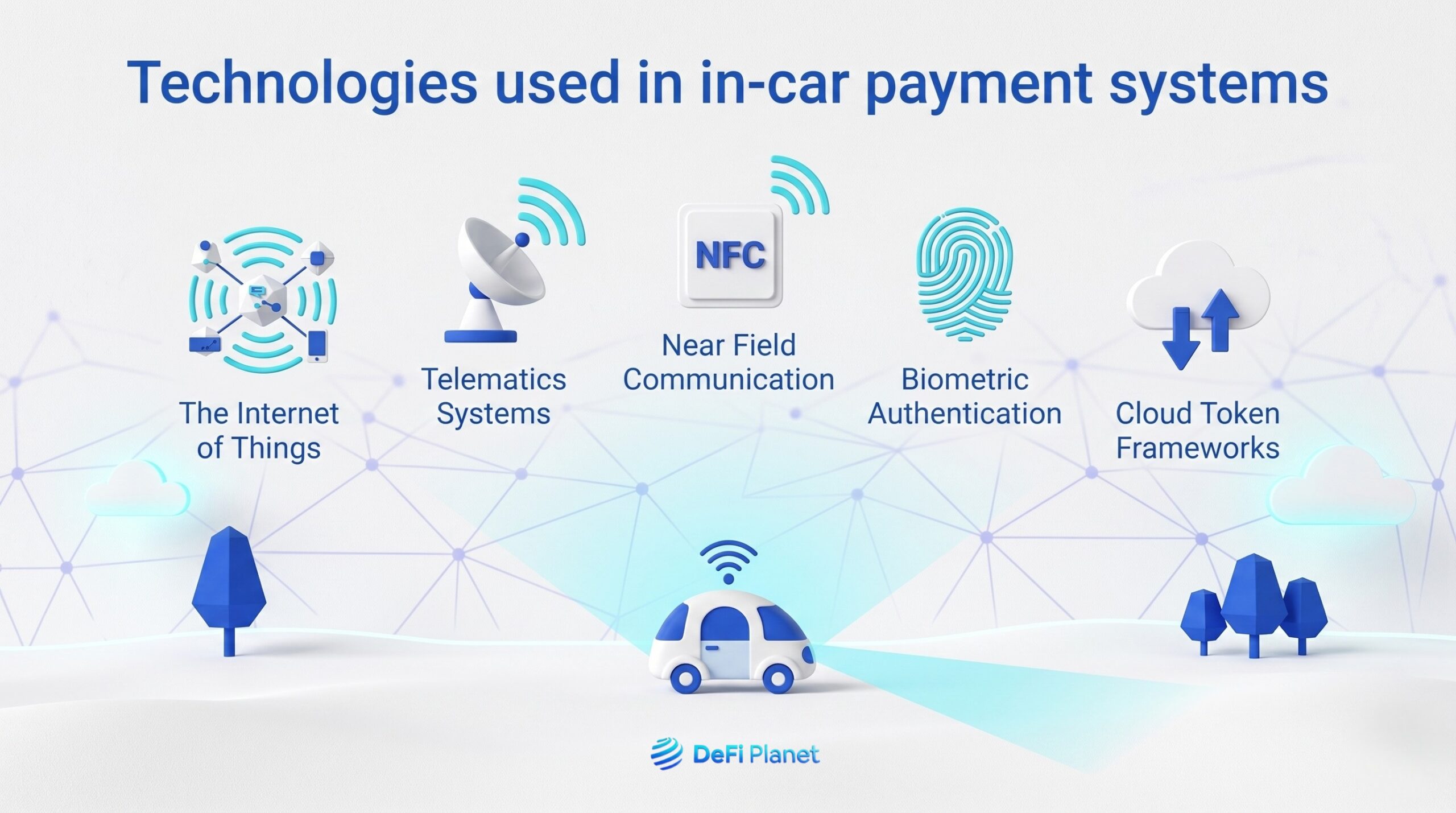
To understand the mechanics of autonomous vehicle payments, consider a simple scenario involving an electric vehicle. A car will typically need to arrive at a charging station where it communicates with the vehicle’s software system to determine the electricity prices and the available capacity. Once the vehicle begins charging, the system can then calculate the energy delivered in real time, and the vehicle’s wallet can now send a stream of micro transactions to the charging station’s wallet, after which the final payment is settled and recorded.
In this model, the car is not just a vehicle; it is an economic actor capable of initiating financial transactions with the system, requiring several layers of infrastructure. The vehicle needs a secure wallet, the charging station needs a payment gateway, and the network must process and settle transactions rapidly.
That requirement immediately introduces the biggest technical challenge for blockchain networks.
Transaction Speed and Network Capacity
For IoT devices executing transactions through blockchain, transaction speed is very critical because machines cannot wait minutes for payment confirmations in order to operate. A self-driving vehicle arriving at a charging station or a drone purchasing navigation data must receive confirmation almost instantly. Delays that might be acceptable for human transactions could disrupt automated systems that depend on continuous operation.
First-generation blockchains like Bitcoin struggle with throughput, processing only a few transactions per second. Early versions of Ethereum increased capacity but still operated at a relatively limited scale compared to global payment networks, though newer scaling solutions have significantly expanded its effective throughput. In contrast, systems such as Visa are capable of handling thousands of transactions per second under normal conditions, highlighting the challenge of using traditional blockchain infrastructure for large-scale machine-to-machine finance.
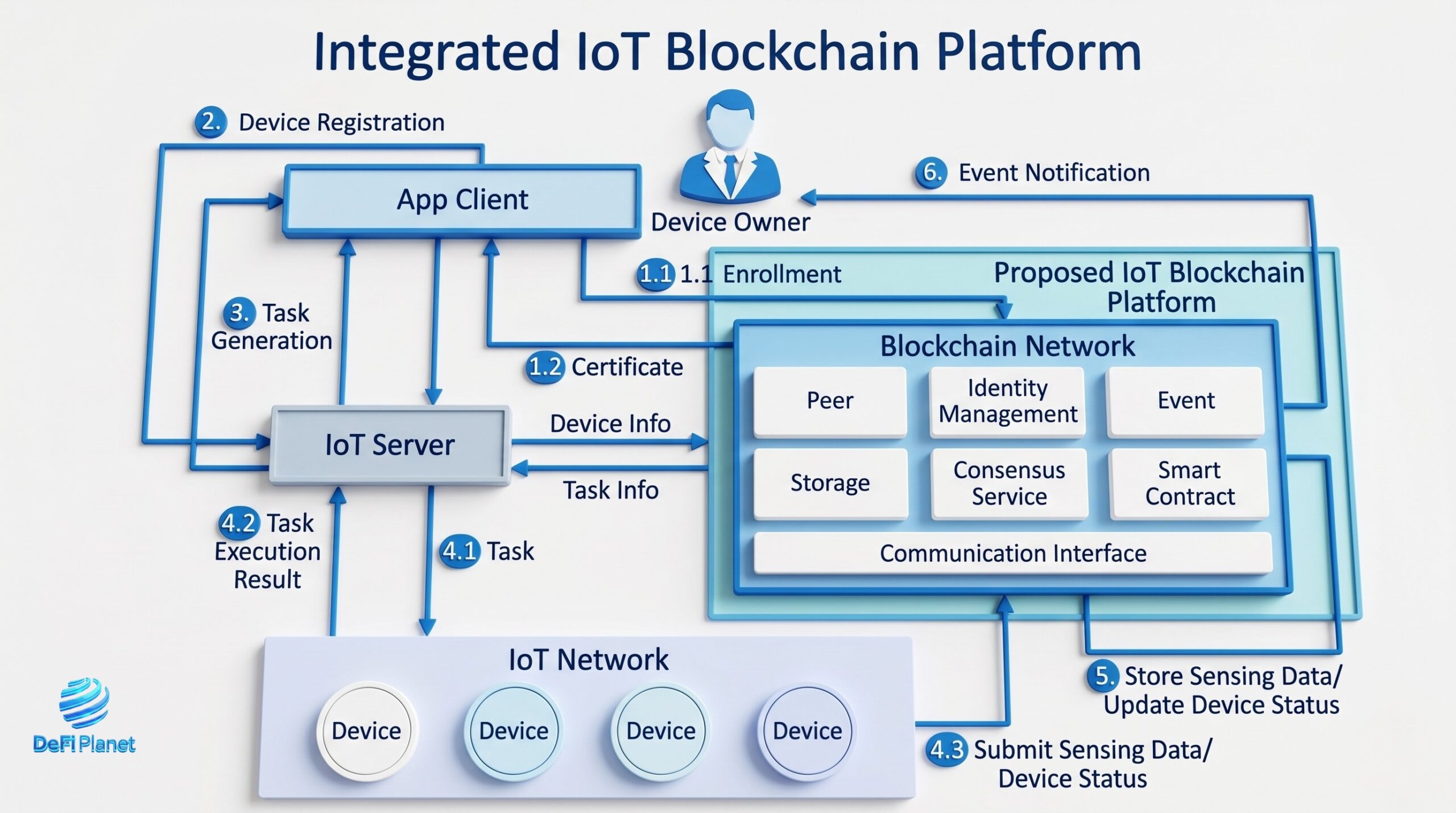
In a world where billions of machines transact automatically, those limitations become serious, and every time an autonomous vehicle pays for electricity, parking, toll access, or software updates, it could trigger a new transaction. When you multiply that activity across millions of vehicles, drones, and industrial robots, the total volume of transactions becomes enormous. Financial infrastructure that cannot scale efficiently would quickly become a bottleneck.
Academic research examining IoT payment systems highlights three core requirements for automated machine transactions:
- Networks must support high throughput so they can process large numbers of payments simultaneously.
- They must provide fast confirmation so devices can continue operating without delays.
- They must keep transaction costs extremely low because machine transactions are often very small in value.
Traditional blockchain networks often struggle to meet all three requirements simultaneously.
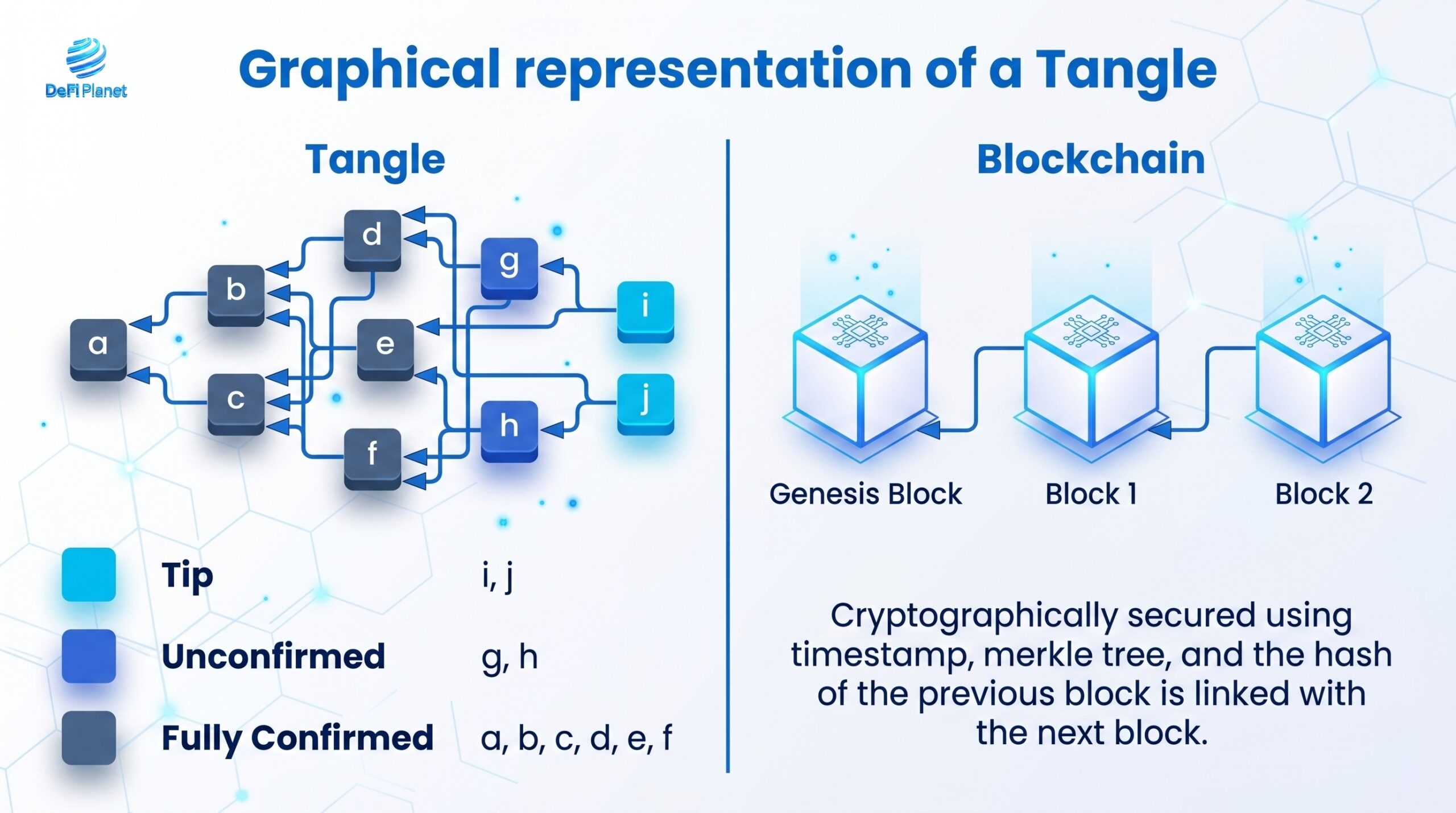
Several alternative approaches have emerged in response to these constraints. One notable example is IOTA, a distributed ledger project designed specifically for the Internet of Things and automated machine transactions. Instead of relying on a traditional blockchain structure, IOTA uses a different type of architecture intended to support very high volumes of microtransactions.
Unlike conventional blockchains that rely on sequential blocks, IOTA operates using a data structure called the Tangle, which is a type of directed acyclic graph. In this architecture, each new transaction must validate two earlier transactions before being confirmed, and because validation occurs continuously across the network rather than in fixed blocks, many transactions can be processed simultaneously rather than sequentially.
Even so, scalability is only part of the challenge and machine economies will likely require infrastructure that integrates distributed ledgers with off-chain processing, edge computing, and high-speed communication networks. Many experts believe that hybrid architectures combining blockchain settlement with faster off-chain transaction layers may ultimately prove more practical for IoT environments.
Systems like IOTA represent early attempts to build infrastructure specifically for machine-to-machine finance, where extremely high transaction volumes are expected. These experiments demonstrate that the limitations of traditional blockchains are already being addressed through new architectures designed with autonomous devices in mind.
Without extremely cheap transactions, the machine economy simply cannot function.
Layer 2 Scaling and Payment Channels
Even if base layer blockchains improve their speed, billions of machine transactions could still overwhelm global networks. Many developers believe Layer 2 infrastructure will play a central role in machine-to-machine crypto payments in autonomous systems. These networks process transactions off-chain and only settle final results on the main blockchain; some examples include rollups, payment channels, and state channels.
For a self-driving car, this could mean opening a payment channel with a charging station or mobility provider, allowing the car to then send hundreds of microtransactions during a charging session without broadcasting each one to the blockchain. Systems like these dramatically increase throughput while reducing fees, and once the session ends, the final balance will be settled on-chain.
This hybrid model combines the efficiency of traditional payment systems with the transparency and security of blockchain.
Wallet Architecture for Machines
Human users typically store private keys in digital wallets secured by passwords or hardware devices, but machines require a different approach. In the case of a self-driving car, the wallet must be embedded directly into the vehicle’s hardware and must be capable of signing transactions securely while protecting private keys from theft.
Embedded devices often have limited computing resources and storage capacity, making cryptographic operations more difficult than on powerful computers. Researchers studying blockchain in industrial IoT systems emphasize the importance of specialized hardware security modules and trusted execution environments to protect cryptographic keys.
Without strong hardware security, autonomous vehicle payments could become a target for hackers.
The Security Problem
Security is perhaps the most serious challenge for machine-to-machine finance. If a hacker manages to compromise a human wallet, the damage is mostly limited to that individual account, but if he does that across millions of IoT devices, the consequences could be far greater.
When malicious software gains control of thousands of autonomous vehicles and redirects their payment flows, the attacker could syphon funds from charging transactions or manipulate payment destinations.
The key management becomes especially difficult when devices are deployed in public environments. Cars, sensors, and smart appliances are often physically accessible to attackers, making many IoT blockchain proposals include secure hardware modules that store cryptographic keys in isolated environments.
Real-World Experiments in the Machine Economy
Several projects have attempted to build infrastructure for IoT devices executing transactions through blockchain, and one well-known example is the Helium Network, which created a decentralized wireless network powered by cryptocurrency incentives.

Individuals deploy wireless hotspots that provide connectivity for IoT devices, and in return, operators earn tokens for supporting the network’s infrastructure. This model demonstrates how blockchain incentives can coordinate large decentralized networks of hardware. Another initiative comes from IOTA, which has focused heavily on machine-to-machine communication and automated payments.

The network architecture was specifically designed for IoT environments where devices exchange data and value directly.
These experiments suggest that the machine economy is not purely theoretical, with early infrastructure already being built.
Can Blockchain Handle Billions of Machine Transactions?
So far, we have seen that the ultimate stress test for machine-to-machine finance is scale. As billions of devices begin sending microtransactions every second, the infrastructure must be able to handle the enormous throughput.
Some next-generation distributed ledger systems claim they can process tens of thousands of transactions per second, but global machine economies could require far more capacity, with researchers continuing to explore new consensus algorithms and distributed architectures that can operate efficiently on low-resource devices while maintaining security and decentralization.
Some experimental systems have already demonstrated hundreds of transactions per second on embedded hardware devices with low latency, like the Lightweight IoT Blockchain. While these results are promising, they also highlight the complexity of building a global payment infrastructure for machines.
The Real Question
The most interesting insight from this case study is that the emerging machine economy may not depend on a single technological solution. While much of the discussion around machine-to-machine finance focuses on blockchain infrastructure, the reality is likely to be more complex, and different technologies may serve different roles depending on the type of transaction, the required speed, and the level of trust between participants.
In some situations, blockchain networks could provide the most reliable settlement layer for IoT crypto transactions. A distributed ledger allows devices owned by different companies to exchange value without relying on a central authority, and this feature becomes particularly useful when machines interact across organizational boundaries. For example, an autonomous vehicle owned by one company might need to pay a charging station operated by another company, while also interacting with road infrastructure managed by public authorities. In such cases, a decentralized system could reduce the need for multiple intermediaries and create a shared record of transactions that all participants can verify.
In other situations, however, traditional financial infrastructure may remain more efficient. Many automated payments today already occur through centralized systems using application programming interfaces. Subscription services, cloud platforms, and digital marketplaces routinely process automated billing without requiring blockchain technology. These systems benefit from mature infrastructure, predictable transaction costs, and high throughput. For certain use cases, especially those within a single company’s ecosystem, centralized payment rails may continue to offer faster and simpler solutions.
This suggests that the real future of machine-to-machine crypto payments in autonomous systems may involve hybrid architectures rather than a complete shift to decentralized finance, and many of these systems could rely on centralized platforms for high-speed routine transactions while using blockchain networks for settlement between independent networks or organizations. This layered approach allows different technologies to complement each other rather than compete directly.
A self-driving car provides a useful example of how such a hybrid system might function; the vehicle could rely on traditional APIs to manage routine services, such as navigation subscriptions, software updates, and fleet management payments, within the manufacturer’s ecosystem. At the same time, blockchain networks could handle payments that occur across unrelated service providers. When the vehicle charges at a station owned by a different company, pays a toll operated by a regional authority, or purchases traffic data from an independent provider, a decentralized settlement layer could simplify coordination between these entities.
The broader lesson is that the future of autonomous vehicle payments and machine economies may depend less on replacing existing financial systems and more on integrating them with new decentralized infrastructure. Blockchain technology introduces unique capabilities such as transparent settlement, programmable payments, and decentralized trust. Traditional financial systems offer speed, reliability, and established regulatory frameworks.
If these systems evolve together rather than in isolation, they could form the foundation of a new economic layer where machines interact, negotiate services, and exchange value autonomously. In that environment, blockchain would not necessarily replace traditional payment rails. Instead, it would function as one component of a larger technological ecosystem supporting the rise of automated commerce.
A New Type of Economic Actor
Regardless of the final architecture, one thing is clear, and that is, machines are gradually becoming economic participants. Cars, sensors, robots, and software agents are beginning to make decisions, negotiate services, and exchange value. As these systems become more autonomous, the need for automated payment infrastructure will grow.
The question is not whether machines will participate in economic activity; the real question is which financial infrastructure will support them. If blockchain networks can achieve the necessary speed, security, and scalability, they could become the foundation for a new layer of economic activity.
In that world, autonomous vehicle payments and machine-to-machine finance will no longer sound futuristic; they will simply be how machines do business.
Disclaimer: This article is intended solely for informational purposes and should not be considered trading or investment advice. Nothing herein should be construed as financial, legal, or tax advice. Trading or investing in cryptocurrencies carries a considerable risk of financial loss. Always conduct due diligence.
Enjoyed this piece? Bookmark DeFi Planet, explore related topics, and follow us on Twitter, LinkedIn, Facebook, Instagram, Threads, and CoinMarketCap Community for seamless access to high-quality industry insights.
“Take control of your crypto portfolio with DEFI PLANET PRO, DeFi Planet’s suite of analytics tools.”