

























































Quick Breakdown

- The US Department of Labour’s new rules could let retirement accounts invest in crypto, but mostly through safe, structured products like ETFs or managed funds rather than direct ownership.
- Retirement money is patient, reducing short-term trading swings and supporting the growth and stability of regulated crypto investment vehicles.
- While safer and more accessible, limited choice, slower innovation, and concentration risk could restrict upside and market dynamism for crypto investors.
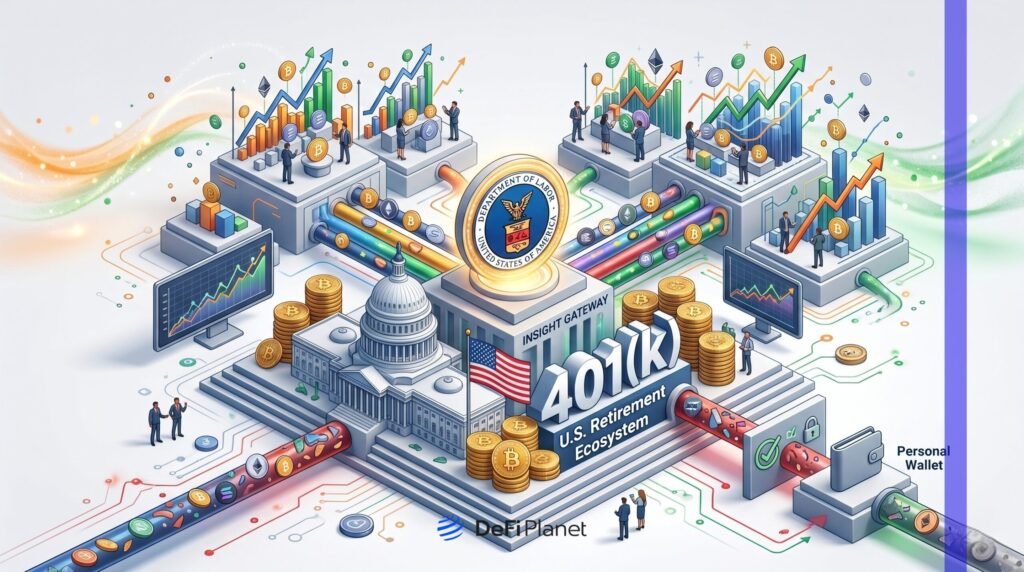
For years, getting exposure to Bitcoin and other digital assets meant going through exchanges, wallets, or newer platforms that many traditional investors found unfamiliar or risky. Now, that could change. The US Department of Labor is proposing rules that may allow crypto to be included in 401(k) accounts, following a broader push tied to Donald Trump’s executive direction.
This matters because retirement capital is huge, steady, and usually invested for the long term. When funds from 401(k)s enter crypto, it increases demand and changes how people invest. Instead of buying coins directly, most people will gain exposure through regulated options like crypto ETFs or managed funds.
So 401(k) adoption isn’t just more money coming into crypto; it’s crypto becoming more structured, regulated, and easier for everyday investors to access.
New Rules Could Open the Door for Crypto in Retirement Plans
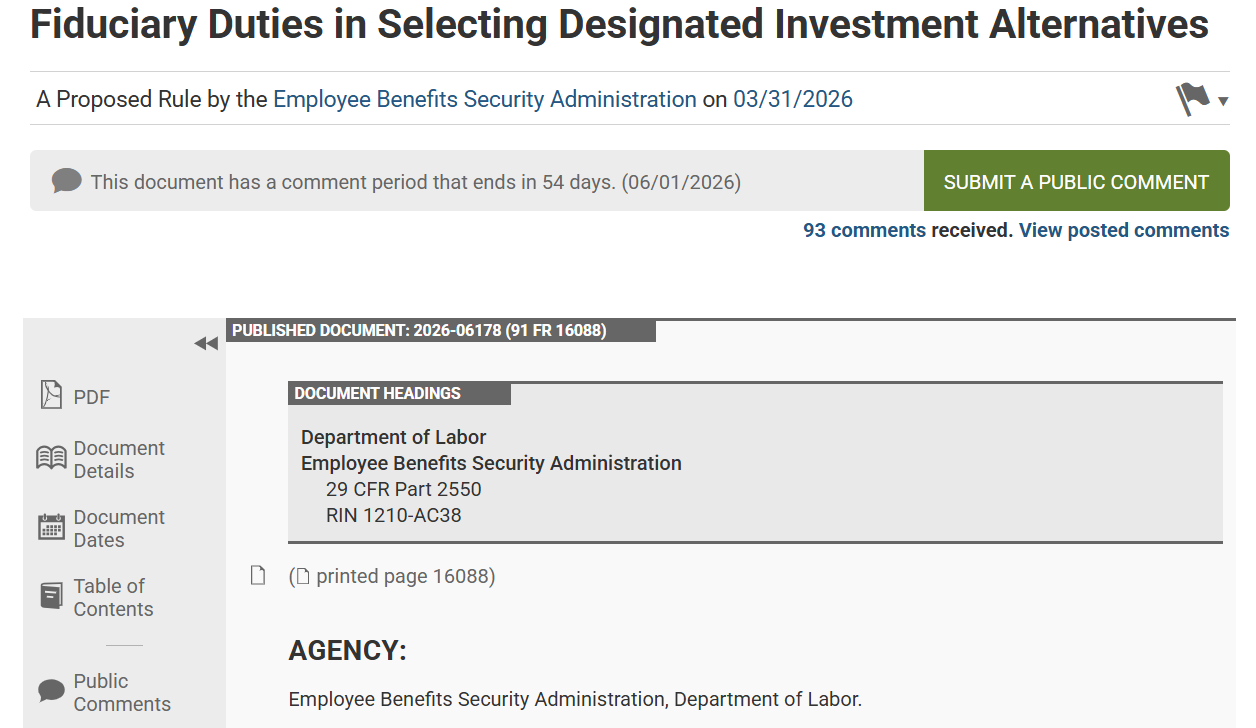
The proposal, called “Fiduciary Duties in Selecting Designated Investment Alternatives,” basically gives guidance to fund managers on how to responsibly add newer assets, like Bitcoin, into retirement portfolios. The document outlines the key factors to consider, like risk, long-term value, and whether these assets make sense for retirement savings.
According to U.S. Secretary of Labor Lori Chavez-DeRemer:
“Our goal is to deliver on President Trump’s promise for a new golden age by fostering a retirement system that allows more Americans to retire with dignity.” “This proposed rule will show how plans can consider products that better reflect the investment landscape as it exists today. This greater diversity will drive innovation and result in a major win for American workers, retirees, and their families.”
U.S. Secretary of the Treasury Scott Bessent also noted that:
“The Treasury Department is proud of this rulemaking effort, which is another step in ushering in President Trump’s Golden Age.”
SEC Chairman Paul S. Atkins added that:
“Americans’ ability to participate more fully in innovation and economic growth through well-diversified long-term investments is a vitally important priority for effective retirement planning. The Securities and Exchange Commission is pleased to have joined our colleagues at the Department of Labor to help formulate this proposal for these long-overdue improvements. We look forward to continuing our work to expand opportunities for Americans to build wealth and save for the future.”
How 401(k) Access Could Push Crypto Toward Regulated Investment Vehicles
As crypto enters retirement accounts, 401(k) adoption could speed up the shift from direct ownership to more structured, regulated ways of investing in digital assets.
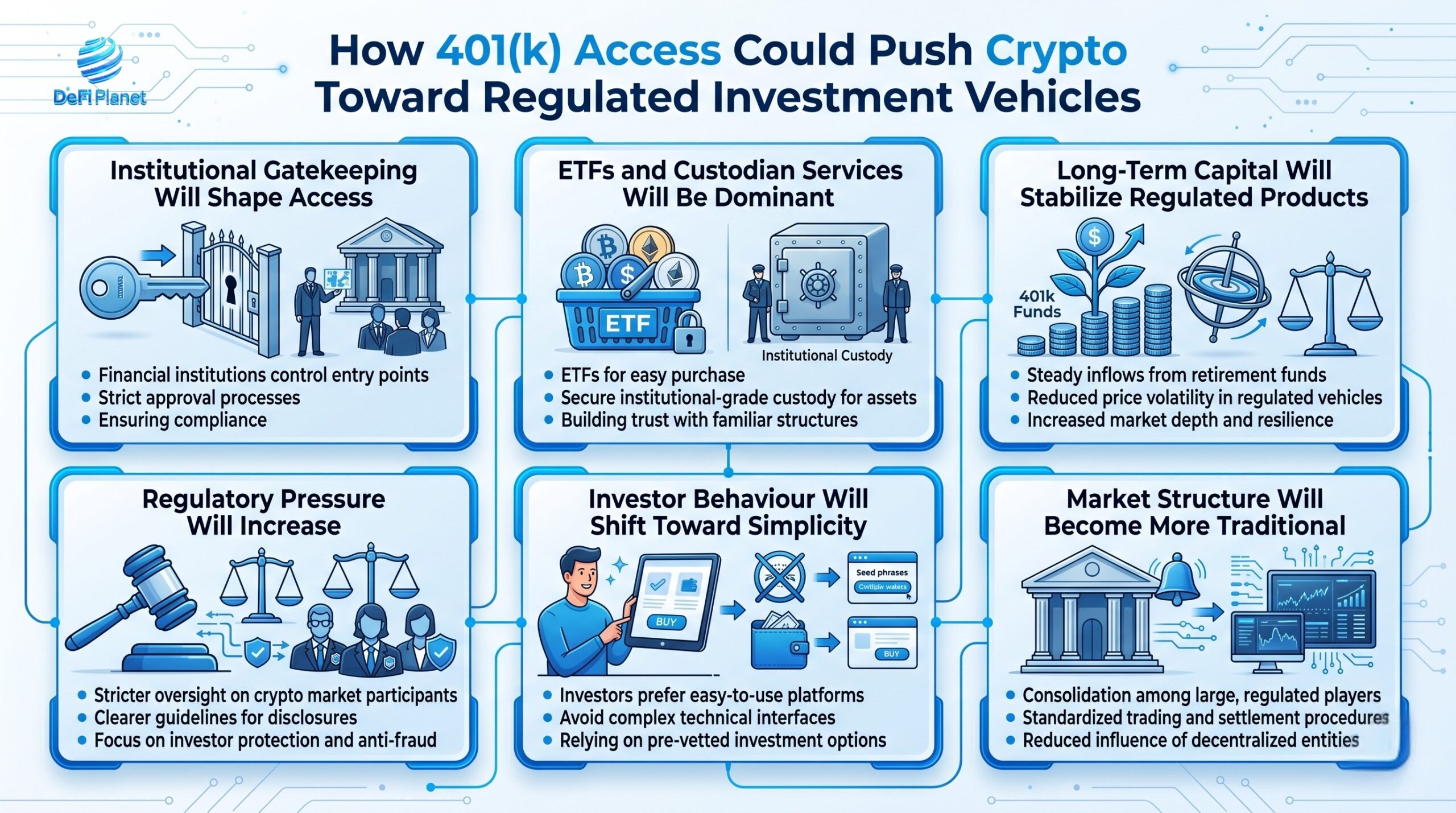
Institutional gatekeeping will shape access
The need for fiduciaries to look after investor interests in 401(k) plans would mean that safer and more reliable cryptocurrency choices will be made. In turn, it would push the money towards crypto ETFs and similar financial instruments, reducing speculation on tokens.
ETFS and custodian services will be dominant
The majority of retirement investors are likely to get their crypto exposure via ETFs and custodial services rather than owning the underlying crypto assets directly.
Long-term capital will stabilize regulated products
401(k) money is long-term, reducing trading pressure. This steadiness strengthens regulated vehicles because large, patient capital flows through crypto ETFs or funds rather than volatile exchange-based holdings, supporting market maturity.
Regulatory pressure will increase
As retirement funds flow into crypto, regulators are more likely to formalize rules around custody, reporting, and risk. These regulations favour structured investment vehicles and make crypto safer for mainstream adoption.
Investor behaviour will shift toward simplicity
The participants of 401(k) plans prefer passive investing. Hence, investments should be facilitated via simple instruments that can be regulated by law instead of wallets operated individually.
Market structure will become more traditional
Since the products will be regulated and institutions will become increasingly involved, the cryptocurrency market will resemble the financial market. Thus, price formation and trading behaviours will become similar.
Potential Drawbacks of 401(k) Crypto Integration
While bringing crypto into retirement accounts has clear benefits, there are some important downsides to consider.
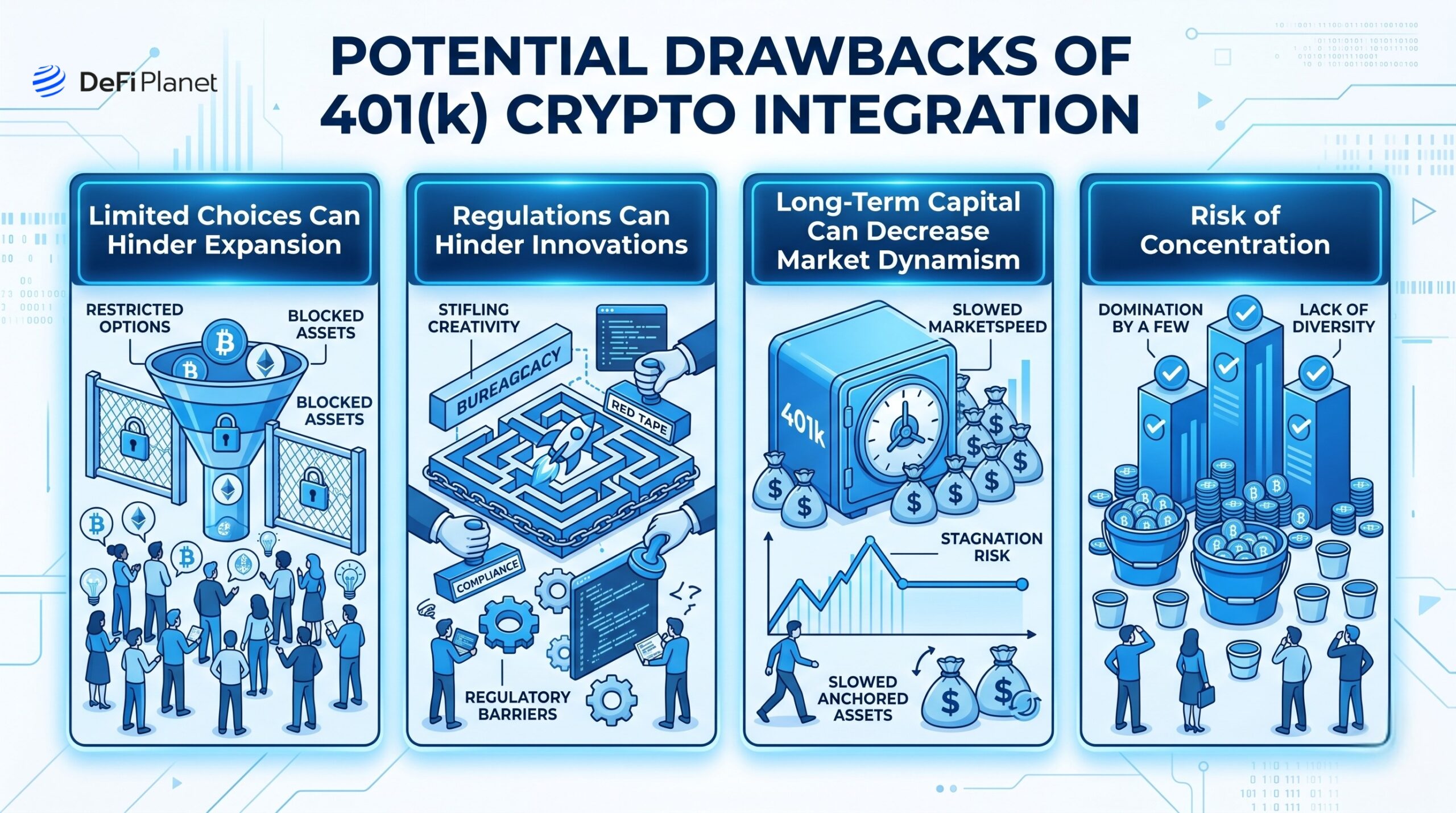
Limited choices can hinder expansion
In most cases, the number of crypto investments allowed in 401(k) is relatively limited. It often involves cryptocurrencies such as Bitcoin and Ethereum.
On one hand, this helps protect the investors by making their investments safer and eliminating risks. On the other hand, the investors cannot enjoy the benefits that may come from investing in other cryptos.
Regulations can hinder innovations
When crypto becomes a part of your portfolio in a retirement fund, you will have to comply with regulations that cover such aspects as custody, reporting, and risk management. In this regard, regulatory oversight provides safety but also hinders flexibility and the process of innovation.
Long-term capital can decrease market dynamism
The money in 401(k)s will likely stay there for decades, so the chances of investors reacting to short-term price swings are slim. This can stabilize large markets, but it may not be good for crypto since the price discovery process might become slower, and the liquidity of smaller tokens will be reduced.
Risk of concentration
Even in regulated products, huge capital flows into the fund might put too much power in a handful of investment instruments or crypto ETFs. Any problems related to regulation, custody, or ETF failures may hurt retirement investors more than others.
401(k)s Could Reshape Crypto Investment Norms
Looking at the broader picture, the integration of crypto into retirement accounts will likely cement the dominance of regulated investment vehicles. Long-term capital from these accounts tends to favour structured, vetted products, which encourages standardization in how crypto is bought, held, and reported.
The end result of such developments will be the replacement of investment products with a certain level of regulation as the default choice for most investments, not just retirement-oriented ones. These changes will have serious consequences for the cryptocurrency industry. The presence of a larger number of regulations in the field and institutional participation will contribute to increased stability within the cryptocurrency investment world.
Nevertheless, the focus on complying with regulations will mean that the majority of risky and experimental tokens will not be allowed, affecting the actions of investors in the crypto world for decades. To summarize, the 401(k) plan can assist in changing the direction in the world of cryptocurrency investments.
Disclaimer: This article is intended solely for informational purposes and should not be considered trading or investment advice. Nothing herein should be construed as financial, legal, or tax advice. Trading or investing in cryptocurrencies carries a considerable risk of financial loss. Always conduct due diligence.
Enjoyed this piece? Bookmark DeFi Planet, explore related topics, and follow us on Twitter, LinkedIn, Facebook, Instagram, Threads, and CoinMarketCap Community for seamless access to high-quality industry insights.
Take control of your crypto portfolio with DEFI PLANET PRO, DeFi Planet’s suite of analytics tools.”