


















































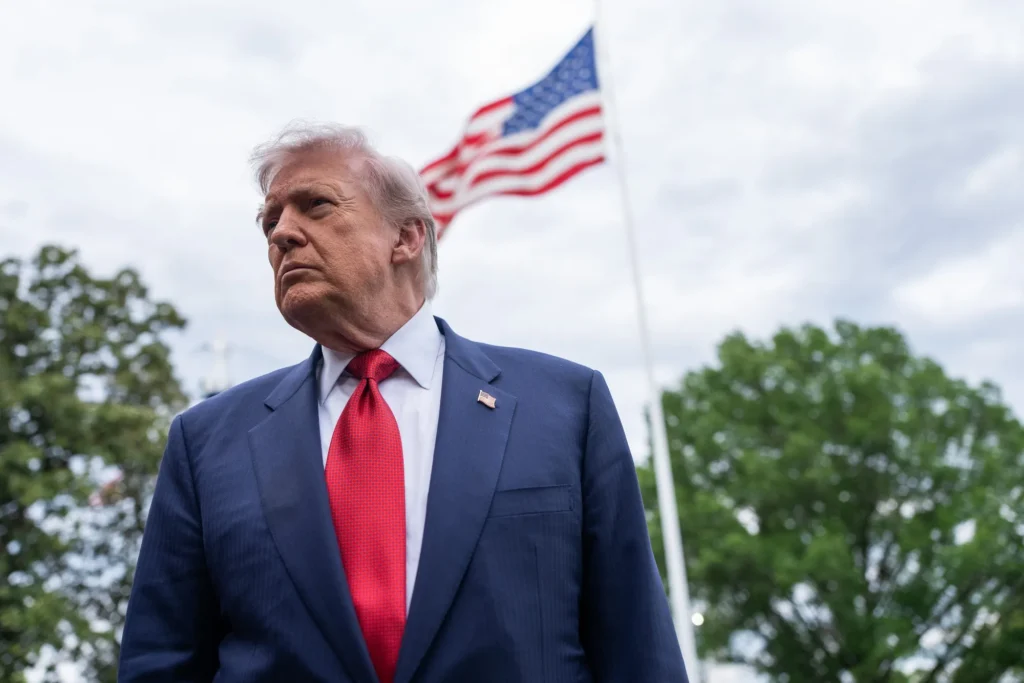
U.S. President Donald Trump has rejected Iran’s latest response to a U.S.-led peace proposal, calling the terms “totally unacceptable” in a social media post on Sunday. This move has lowered hopes for a quick end to the 10-week conflict near the Strait of Hormuz, a key global energy route. The Wall Street Journal reports that U.S. stock futures fell after Trump’s rejection, as efforts continue to resolve the conflict and reopen the Strait.

U.S. stock futures were lower after Trump said Iran’s response to a U.S. proposal to end the conflict was unacceptable. https://t.co/LnXG3Y2XXy
— The Wall Street Journal (@WSJ) May 11, 2026
Bitcoin shows strong correlation with the Nasdaq, while showing a weakening correlation to gold
As geopolitical tensions escalate, Bitcoin shows resilience, holding above the critical $80,000 psychological support level while traditional equities soften. Bitcoin retains a strong correlation with the Nasdaq, a relationship that remains confusing to many ‘generalist’ traders but easily explained by others.
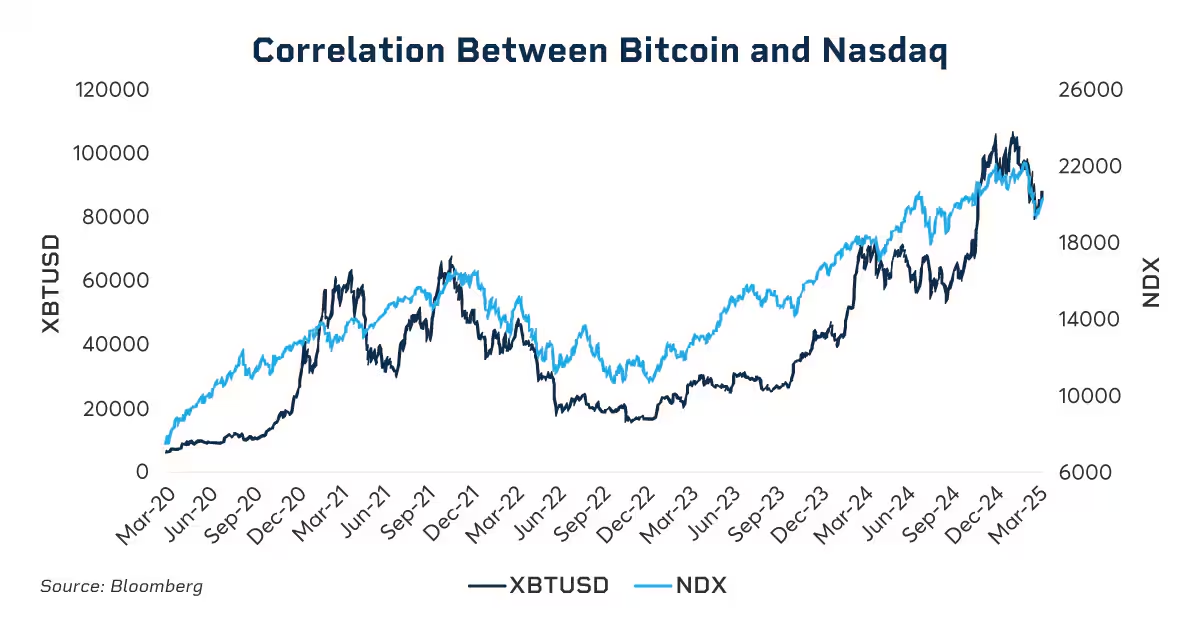
Many institutional trading desks often group volatile assets like the Nasdaq and Bitcoin into the same portfolio, assuming a Nasdaq trader’s expertise in handling volatility equips them to manage Bitcoin’s price swings. Consequently, a sharp decline in the Nasdaq often triggers sales of Bitcoin to cover margin requirements.
On the other hand, recent data shows the 12-month rolling correlation of Bitcoin with gold is negative or near-zero, with some data suggesting a 3-year low of approximately -0.27 to -0.88, indicating they are moving in opposite directions, rather than in tandem.
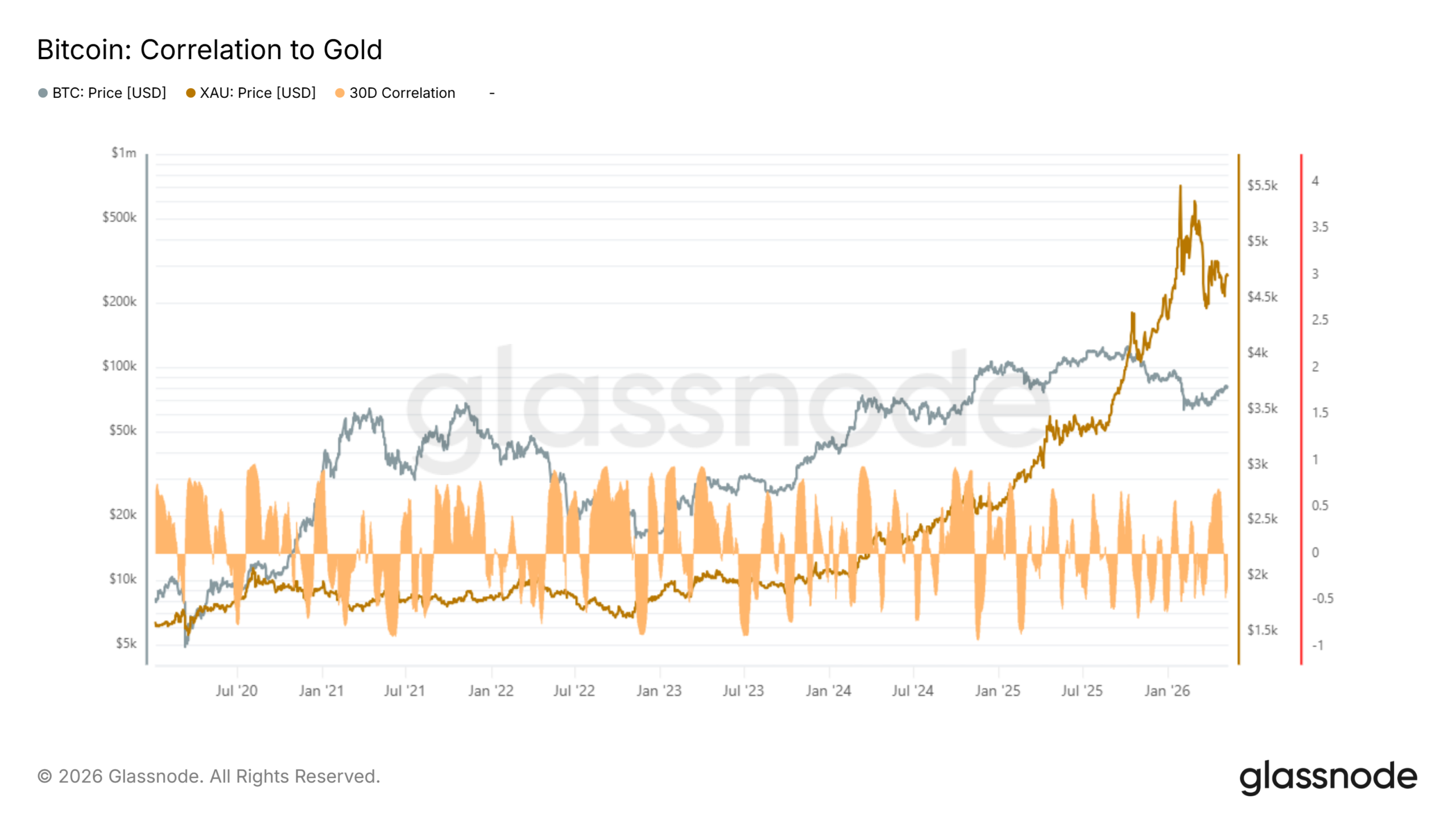
With energy prices rising due to potential maritime blockades, investors are moving away from riskier traditional assets. Unlike past geopolitical shocks, when Bitcoin was often sold off, this time, institutions are treating Bitcoin ETFs as a safer option.
Major funds like Grayscale and others are using portfolio diversification strategies to maintain balance. As the U.S. uses tariffs and sanctions to influence the economy, more investors are looking for assets that are not tied to the dollar. Analysts say that while Ethereum and other altcoins are still affected by drops in liquidity, Bitcoin is starting to stand out as a ‘weak safe-haven asset’ that does well during moderate geopolitical risks.
Donald Trump is moving toward supporting pro-crypto laws while keeping a tough approach to foreign policy. This mix of White House decisions and the growth of decentralized finance is shaping the 2026 market.
The ongoing energy crisis is a big challenge for the crypto sector. High oil prices usually mean stubborn inflation, which could push back expected interest rate cuts from the Federal Reserve. For altcoins like Ethereum, which saw lower ETF demand in 2025 than Bitcoin, the overall economic outlook remains difficult.
Enjoyed this? Bookmark DeFi Planet, explore related topics, and follow us on Twitter, LinkedIn, Facebook, Instagram, Threads and CoinMarketCap Community for seamless access to high-quality industry insights.
Take control of your crypto portfolio with DEFI PLANET PRO, DeFi Planet’s suite of analytics tools.