















Web3 is becoming an important idea in the world of technology and social apps, and people are starting to look for systems that give them more control over their data, their connections and the way they earn online. Web3 networking focuses on creating social platforms that are open, connected and not controlled by one central company. These platforms use interconnected social protocols that make it possible for different apps to work together, and as Web3 grows, it brings new opportunities and also new questions about how online communities should work.

Social Graph Ownership and Monetization

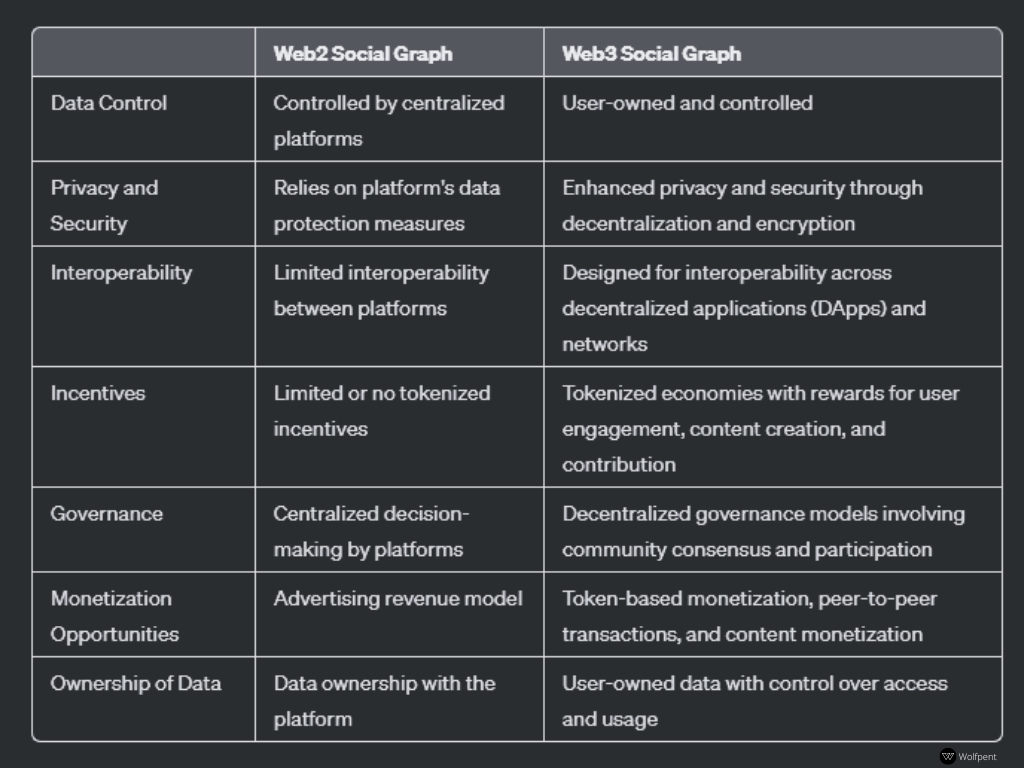
A social graph is a picture of all your relationships online. It shows who your friends are, who you follow, who follows you, and how all these connections link together. On Web2 apps like Meta’s Facebook, TikTok, or X, the company owns your social graph. If you decide to move to another app, you cannot take your followers with you, and all your data stays locked on the platform you’re currently using. Companies can control your social life online and also make money from your activity without giving you, the user, any share of it.
Web3 social networks are creating new paths for SocialFi by giving users more control through decentralized identity and ownership of their online presence. These networks make it possible for people to join tokenized communities where their contributions have real value and can be rewarded in fair ways. This also strengthens social commerce since users can interact, trade and support creators directly without depending on a single platform. As these ideas continue to grow, they show how Web3 can reshape how people connect, earn and build digital communities.
RELATED: Can SocialFi Really Break Free From the Web2 Mould?
Monetization becomes possible in a new way, since your connections belong to you, and creators can earn from their communities without needing a central platform to take most of the profit. A creator or influencer could earn tokens from people who support their content or from the attention their work brings. Even regular users can earn from posting, creating, or building networks that others find valuable, opening the path to a fairer digital economy.
Still, this idea raises concerns, and when every action online can be turned into a way to make money, the social space can feel less natural. People might start thinking of their friendships or posts only in terms of profit, which could make social apps feel cold or less honest. We saw something similar with Twitter (now X) when Elon Musk took over and began monetizing interactions. Web3 platforms need to design monetization so that it supports genuine connection instead of replacing it, and if they do not find that balance, then the experience will feel like trading instead of socializing.
User Incentives vs Sustainability of Token Economies
One of the biggest questions in Web3 social design is how to reward users without harming the platform’s long-term health. Token rewards can be exciting because they give people a reason to join and stay active. Early Web3 apps have gained a lot of attention by offering tokens for activities like posting content or referring new members. It feels good to earn something for activities you already enjoy, and it also makes users feel involved in the growth of the platform.
However, token economies can fail if they depend too much on rewards. Some people might join only because they want quick earnings, and when the token price drops or rewards become smaller, these users may leave, which hurts the whole community. This pattern has happened in several early Web3 projects, and it shows how unstable a token system can become if it does not have a real purpose behind it.
A sustainable token economy needs more than hype; it requires real value, and tokens should reward actions that actually improve the platform, such as building helpful tools, sharing useful content, or supporting creators. They should not reward empty activity like posting meaningless messages just to earn something. If the economy is designed well, the platform becomes stronger because users are motivated to do things that help everyone. If it is designed poorly, the platform grows quickly but collapses once the rewards slow down.
The difference between incentives and sustainability becomes very clear here; incentives bring people in, while sustainability keeps people in. A Web3 social app cannot survive on excitement alone; it must build a community that cares about connection, creativity and ownership. Tokens should support that goal rather than control it.
Conclusion: Competition Between Web2 & Web3 Social Apps
Web3 social platforms are entering a world where Web2 giants already rule, and apps like Instagram, YouTube and Snapchat have billions of users and strong technology. This makes it very hard for new Web3 apps to compete. Another thing is that most people are comfortable with Web2 because it is simple, familiar, and fast; creating a wallet, connecting to a blockchain, or even learning how tokens work can feel confusing for new users.
Web3 apps must offer a clear reason for people to make the switch. Ownership and privacy are strong points. Being able to take your social graph from one app to another is also something Web2 cannot offer. Web3 apps also allow creators to earn more fairly because they do not rely solely on ads, and the platform does not take a large cut of their income.
READ ALSO: Can Web3 Drive the Next Evolution of Social Media Through SocialFi?
Still, Web3 apps must improve their user experience to compete, because people expect smooth design, fast loading and easy navigation. If Web3 feels slow or complicated, it will lose to Web2 even if it has better ideas and ultimately, success will come to the platforms that combine the freedom of Web3 with the simplicity of Web2.
In the long run, the competition may push both sides to improve. Web2 might adapt by giving users more control. Web3 will work to become easier and more friendly. The real winners will be the users who gain more freedom and better online communities.
Web3 networking and interconnected social protocols show how the future of online communication can be more open, fair and user-controlled. By focusing on social graph ownership, careful token design, and smart competition with Web2, the next generation of social apps can build a digital world where people actually own their online lives.
Disclaimer: This article is intended solely for informational purposes and should not be considered trading or investment advice. Nothing herein should be construed as financial, legal, or tax advice. Trading or investing in cryptocurrencies carries a considerable risk of financial loss. Always conduct due diligence.
If you want to read more market analyses like this one, visit DeFi Planet and follow us on Twitter, LinkedIn, Facebook, Instagram, and CoinMarketCap Community.
Take control of your crypto portfolio with MARKETS PRO, DeFi Planet’s suite of analytics tools.”






