











A few years ago, the subject of the metaverse was something that had every tech enthusiast beaming with gleeful excitement. This was a conversation that dominated technology, finance and Web3, with venture capital pouring billions of dollars into virtual worlds because of the promise that immersive cities allowed people to work, socialize, trade digital assets and build entire economies.

This seemed like the future borne out of science fiction, but something strange happened: The once bustling hype had cooled, and headlines began asking whether the metaverse had already failed. Companies that once invested billions reduced spending, with critics arguing that the concept itself had been overpromised, yet we see the data telling a more complicated story.
Some projects struggled, and for some, we saw user engagement across many virtual worlds continuing to grow, with estimates suggesting that the global metaverse ecosystem still has a reach of roughly 600 to 700 million monthly users across platforms like Roblox, Fortnite, and Minecraft.
This, however, raises an important question: Did the metaverse truly collapse, or are we witnessing a misunderstanding of how digital asset ecosystems and virtual economies evolve?
To answer this, we need to explore metaverse adoption trends, the economic structure behind virtual worlds, and the lessons emerging from the early generation of Web3 metaverse experiments.
The Early Promise of the Metaverse

READ ALSO: Metaverse 101: Exploring the Seven Technologies That Power the Metaverse
Media coverage painted a picture of a fully immersive digital universe where social, professional, and economic life could seamlessly migrate online, and headlines suggested that in just a few years, people would spend more time in virtual worlds than in the physical world. This and many other promises were the stuff of science fiction, where digital cities, schools and whatnot were in the works. Celebrities and brands were jumping in, hosting virtual concerts, launching limited-edition digital merchandise, and experimenting with new forms of digital marketing, opening the door to endless possibilities.
Yet, there were signs the vision was more aspirational than practical; virtual reality hardware remained expensive and cumbersome, and high-quality experiences required powerful computers and fast internet connections that were not universally accessible. Many users were intrigued by the concept, but only a small fraction had the equipment or patience to engage deeply with the technology.
Meanwhile, blockchain-based worlds introduced a new layer of complexity, and that is the idea that true ownership of digital assets did sound revolutionary, but did not change the fact that the ecosystem was indeed fragile. Platforms like Decentraland and The Sandbox had virtual land plots and NFT-based goods trading for thousands or even millions of dollars, but these assets only had value within their respective ecosystems. Outside these worlds, people struggled to see the inherent value, and the real-world economic impact of these digital goods was still speculative.
Some early adopters bought land or NFTs hoping for quick profits, creating a speculative bubble reminiscent of the dot-com era. Others experimented with building businesses in these virtual spaces, from virtual fashion boutiques to digital event hosting. These efforts highlighted the potential of the metaverse as an economic ecosystem, but they also revealed the gaps between hype and usability.
By 2022, analysts had begun cautioning that the “metaverse revolution” might take decades rather than years to materialize. While billions had been invested, the adoption curve was uneven, and enthusiasts often compared the metaverse to the early days of the internet: clunky interfaces, limited access, and speculative markets. Yet, as with the internet, these early experiments laid the foundation for the next generation of digital platforms where virtual and physical economies could intertwine.
The excitement, though perhaps inflated, helped push innovation forward; VR hardware improved, blockchain infrastructure became more reliable, and developers began focusing on user experience rather than pure speculation. The metaverse, it seemed, was less about instant transformation and more about planting seeds for a long-term digital ecosystem.
INTERESTING: Can the Metaverse Have a Soul?
Understanding Metaverse Adoption Trends
Despite the headlines declaring the metaverse dead, adoption numbers show that virtual worlds remain widely used, and across major platforms, there still exist estimates of over 600 million users who participate in metaverse-style environments globally. Of these, 51% of users are 13 or younger, and 83.5% are under 18 years old.

A large portion of this activity comes from gaming platforms that quietly function as early metaverses. For example, Roblox alone attracts tens of millions of daily users and allows players to create their own games, social experiences, and virtual goods. Minecraft and Fortnite host massive virtual events, concerts, and social gatherings.
So, in a sense, millions of people already spend time in virtual worlds; the difference, though, is that many users do not call these platforms “the metaverse.” They simply see them as games or social environments.
This disconnect between branding and behaviour is one reason metaverse adoption trends appear confusing. The technology is spreading, but the label may have become too loaded with hype.
Another interesting trend is demographic concentration, because studies show that a majority of metaverse users are young. Many are under eighteen, and a significant share of engagement comes from Gen Z and Gen Alpha users.
These generations are already comfortable spending time in digital worlds, and for them, virtual environments are not futuristic experiments; they are everyday social spaces. The metaverse might not be failing; it might simply be growing quietly among the people who will define the next digital economy.
Why Many People Believe the Metaverse Failed
Despite the headlines declaring the metaverse a flop, a closer look at the adoption trends tells a very different story. While some blockchain-based worlds struggled to attract large user bases, millions of people actively participate in immersive digital spaces every day and platforms such as Roblox, Fortnite, and Minecraft function as proto-metaverses, blending gaming, social interaction, and virtual commerce. Users build, trade, and collaborate, creating robust digital asset ecosystems even without fully embracing blockchain technology.

One reason the metaverse can feel “failed” is a mismatch between expectations and reality. Early media coverage promised fully immersive VR cities, decentralized social networks, and economies rivalling real-world GDP, but in practice, most users interact through standard screens and mobile devices, rather than VR headsets. For many, the metaverse is not an alternate reality; it is a layer on top of familiar digital experiences.
Demographics have also been found to play a role, and younger generations, particularly Gen Z and Gen Alpha, are the largest and most active participants. These users spend hours socializing, attending virtual events, and creating content in digital worlds because to them, the metaverse is not a futuristic experiment; it is a social space integrated into their everyday lives. Older audiences, however, often expected an immediate shift in work, commerce, or entertainment, which led to disappointment when widespread adoption did not materialize.
Another factor is accessibility; early VR and blockchain experiences were often expensive and technically demanding. High-quality headsets, fast internet connections, and powerful computers remain barriers for many users. Consequently, much of the metaverse’s activity happens in more accessible environments, like mobile-friendly virtual worlds or PC-based games, showing that adoption trends are growing steadily, even if they do not always match the hyperbolic projections made during the hype cycle.
Interestingly, engagement data suggests that virtual economies within these environments continue to expand, with players earning in-game currency, trading digital items, and even monetizing creative content. Roblox developers, for example, have collectively earned hundreds of millions of dollars annually by designing experiences for other users.
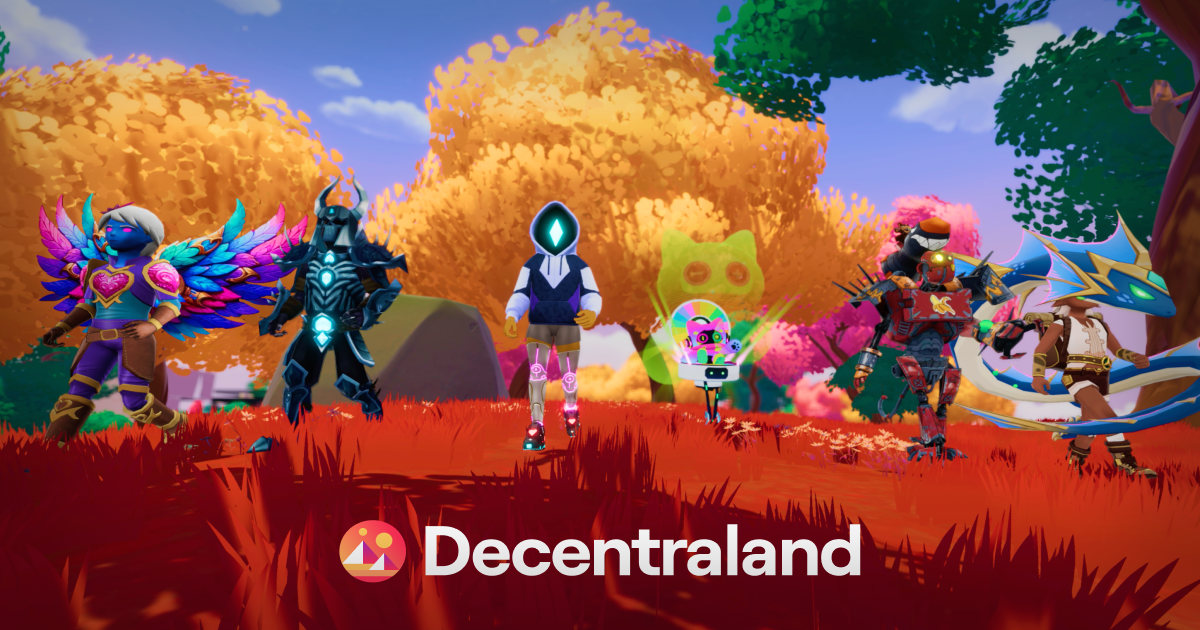
Blockchain-based worlds like Decentraland and The Sandbox aimed to take this a step further by allowing true digital ownership through NFTs and tokenized land, and while speculative bubbles initially inflated some of these markets, the underlying trend shows a maturing economic ecosystem taking shape.
The lesson is that understanding why the metaverse adoption hasn’t met expectations requires separating hype from actual user behaviour. The technology is advancing, the communities are growing, and the economic systems are being tested in real time. The so-called “failure” may be less about technology or user interest and more about unrealistic early narratives. In many ways, the metaverse is evolving quietly, laying the groundwork for a future where digital economies and social interactions converge in ways that will feel natural to the next generation.
The Economic Engine Behind Virtual Economies
To fully grasp the long-term potential of the metaverse, it is essential to look at how virtual economies actually operate and evolve. Many digital worlds are no longer simple playgrounds; they have developed sophisticated economic systems where users can create, trade, and earn real value. Players can buy and sell items, build businesses, produce content, and even generate income from their activities. Virtual goods range from avatar clothing and cosmetics to entire plots of digital land, concert venues, and interactive experiences.
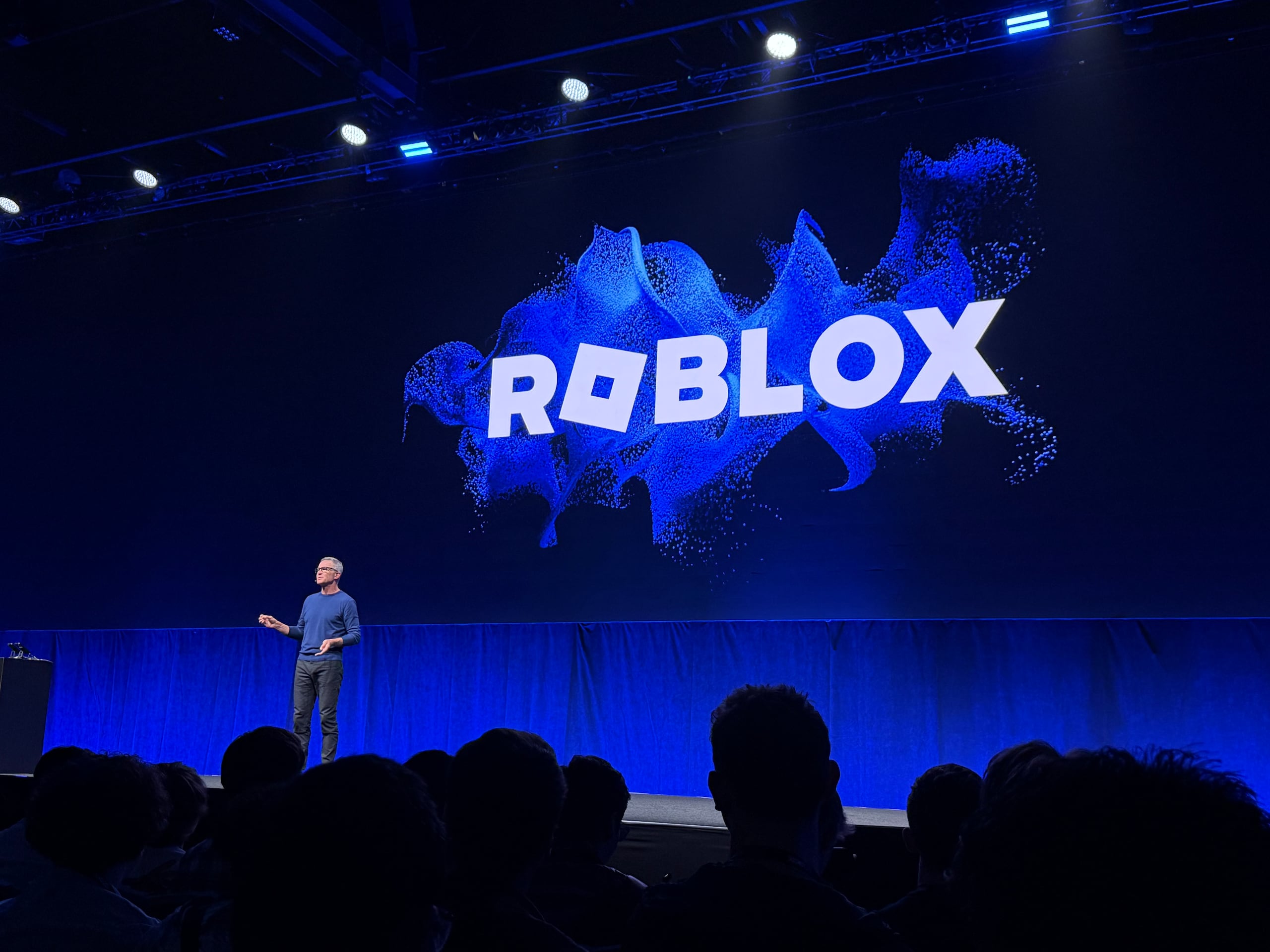
In some cases, these virtual economies are already massive. For example, Roblox developers collectively earn hundreds of millions of dollars annually by creating games and experiences for other users, and their revenue comes from real engagement: users spend time and money in these spaces because they find the experiences entertaining, social, or creatively fulfilling. Roblox contributed approximately 22,000 full-time job equivalents (FTEs)5 and $1.62 billion in GDP to the U.S. economy. In the same eight-year period, it is estimated that Roblox creators contributed $416 million in tax revenue.
In just 2024 alone, Roblox generated a total GDP impact of $445 million, up 29% from 2023. In this sense, the economic structure resembles platforms like YouTube or TikTok, except that instead of producing videos, creators produce digital worlds and interactive experiences that others can explore.
Blockchain-based metaverse projects sought to take this idea further by introducing token ownership and decentralized asset management. Platforms such as Decentraland and The Sandbox allow users to own virtual land, wearables, and other assets through NFTs, giving them verifiable property rights secured by blockchain.
This theoretically allows users not only to engage creatively but also to participate in an actual digital economy where assets have real-world value. Academic research shows that digital goods, including wearable items for avatars, virtual casino games, and event tickets, can significantly increase user engagement and drive economic activity within these environments.
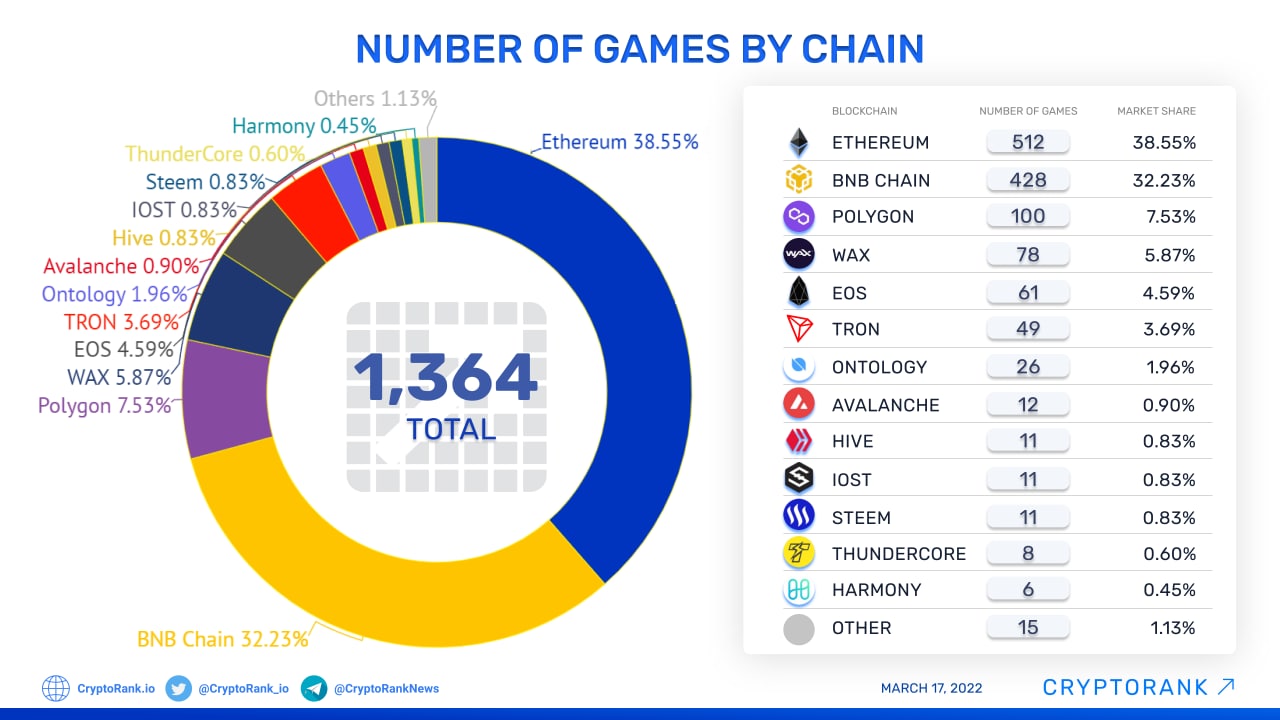
However, these economies are still in their infancy, and many blockchain-based worlds struggle with low active user numbers relative to the size of their virtual real estate markets. Speculative land purchases often outpaced actual demand, creating digital spaces that looked impressive on paper but were largely empty in practice. Virtual cities with towering skyscrapers and expensive plots sat largely unpopulated, leading critics to claim the metaverse had failed.
Yet empty digital cities do not necessarily indicate a fundamental flaw in the concept; rather, they suggest that the infrastructure arrived before the population, a pattern we have seen repeatedly in technological history. Just as early internet portals and social networks initially had limited adoption, these blockchain-based metaverse platforms may simply need time for communities to grow, experiences to expand, and economies to mature.
The real value lies in the potential for sustainable virtual economies where user engagement, creative production, and blockchain-secured ownership converge to form entirely new digital marketplaces.
Ultimately, understanding these economic dynamics shows that the metaverse is less about instant mass adoption and more about building the underlying systems that will support long-term digital economies. These early experiments, while sometimes sparsely populated, lay the foundation for a future in which virtual spaces are as socially, economically, and creatively vibrant as real-world cities.
The Problem of Speculation in Digital Asset Ecosystems
During the crypto boom of 2021, investors treated metaverse assets like lottery tickets, buying virtual land plots and NFTs primarily for resale rather than actual use, distorting the natural growth of digital asset ecosystems.
Instead of building communities and content first, many projects focused on selling tokens and digital property; thus, when the broader crypto market cooled, demand collapsed. A sustainable virtual economy cannot rely only on speculation. It must provide meaningful experiences that attract users organically.
We have seen that platforms like Roblox succeeded because they prioritized creativity and community before financialization.

The Technology Gap
Another reason the metaverse struggled to meet expectations is that the required technology is still developing. We have immersive virtual worlds that require advanced graphics, low-latency internet connections, powerful hardware, and scalable computing infrastructure.
Even today, VR headsets remain relatively niche devices with motion sickness, hardware cost, and comfort issues limiting widespread adoption. Academic research on metaverse user experiences shows that design challenges still affect engagement, and studies like these highlight issues like difficulty focusing on events and a lack of authenticity compared with real-world experiences.
These technical challenges suggest the metaverse may be evolving along a slower timeline than investors initially expected. Many experts now believe the transition to immersive internet environments could take decades rather than a few years.
The Future of Virtual Economies in Web3
Despite early setbacks, the long-term outlook for the future of virtual economies in Web3 remains intriguing. Several technological trends are converging to make persistent digital worlds more viable.
Artificial intelligence is improving world generation and content creation faster than we have time to understand them. Blockchain networks continue experimenting with digital ownership systems to figure out the best way users can be rewarded for their participation, creating new ways for payment gateways.
More importantly, younger generations are already comfortable navigating digital spaces as social environments. Concerts inside games, virtual classrooms, and online workspaces are increasingly common, and the economic potential of these environments could become enormous once infrastructure matures.
Instead of replacing the internet entirely, the metaverse may evolve as a layer on top of it, and just as social media transformed how people interact online, immersive worlds may transform how people collaborate and create.
Lessons From Early Metaverse Experiments
Firstly, technology alone cannot create communities; platforms must prioritize social interaction and user creativity to get the best out of these shared experiences.
Secondly, sustainable digital asset ecosystems require real utility, as digital assets must serve meaningful purposes within virtual environments rather than exist solely as speculative investments.
Thirdly, accessibility matters; platforms that run on ordinary devices reach far larger audiences than those requiring specialized hardware and finally, hype can distort expectations. When investors expect revolutionary change overnight, they may overlook the gradual evolution that actually drives technological progress, and these lessons are shaping the next generation of metaverse projects.
So Did the Metaverse Actually Fail?
The evidence suggests a surprising answer, because when you look at the metaverse three-dimensionally, it is hard to ascribe failure to its position at the moment. It did not fail in the conventional sense; what failed is the narrative around it.
Virtual worlds continue to grow, and hundreds of millions of people already participate in digital environments that resemble early versions of the metaverse. What collapsed was the belief that a single company or technology could instantly build a universal digital universe. Instead, the metaverse is emerging slowly through many platforms, communities, and economic experiments. This may look less like a single world and more like a network of interconnected digital spaces.
Conclusion: The Long Road to Digital Worlds
The question “Did the metaverse actually fail?” may ultimately be the wrong question; the real issue is understanding why the metaverse adoption hasn’t met expectations.
The technology is still evolving, the economic models are still being tested, and the social behaviours that will define these digital spaces are still forming. History shows that transformative technologies rarely follow the timeline predicted during hype cycles.
The internet, for instance, took decades to reach a global scale, and smartphones required years of infrastructure and ecosystem development before they reshaped everyday life. That said, the metaverse may follow a similar path; rather than a sudden revolution, we may witness a gradual expansion of metaverse adoption, virtual economies, and digital asset ecosystems that slowly merge the physical and digital worlds.
When that happens, the early experiments we see today will not be remembered as failures; they will be remembered as prototypes, and like many prototypes in technology history, they will look messy, unfinished, and sometimes misunderstood, but they will also mark the beginning of something much larger.
Disclaimer: This article is intended solely for informational purposes and should not be considered trading or investment advice. Nothing herein should be construed as financial, legal, or tax advice. Trading or investing in cryptocurrencies carries a considerable risk of financial loss. Always conduct due diligence.
Enjoyed this? Bookmark DeFi Planet, explore related topics, and follow us on Twitter, LinkedIn, Facebook, Instagram, Threads, and CoinMarketCap Community for seamless access to high-quality industry insights.
“Take control of your crypto portfolio with DEFI PLANET PRO, DeFi Planet’s suite of analytics tools.”