























































Quick Breakdown

- The Dutch Gaming Authority (KSA) banned Polymarket in February 2026 for operating without a gambling license, saying it was offering illegal prediction-based betting services.
- Regulators argue that prediction markets raise “social risks,” especially when they involve politics or elections. Polymarket was ordered to stop immediately and faces heavy fines if it does not comply.
- Even with the ban, users can still access prediction markets through Kalshi, Hyperliquid, and Interactive Brokers, including decentralized crypto systems and financial firms that frame these products as trading contracts instead of gambling.
In February 2026, the Dutch Gaming Authority (KSA) banned Polymarket from operating in the Netherlands. The move was expected to limit access to crypto-based prediction markets in the country. However, interest in event-based trading has continued, showing that banning one platform did little to slow the market.
According to an investigation by Dutch financial newspaper FD, US platforms like Kalshi, Hyperliquid, and Interactive Brokers are still offering prediction market access to Dutch users. This highlights how difficult it can be for regulators to fully control prediction markets, especially as crypto-linked trading platforms continue expanding across global markets.
The Real Reason Polymarket Became Threatening to Dutch Authorities
Dutch regulators believe Polymarket crossed the line from financial speculation into illegal gambling. The KSA said the platform was offering prediction-based betting services to Dutch users without having the proper gambling license required in the country.
According to Ella Seijsener, director of licensing and supervision at the KSA:
“Prediction markets are on the rise, including in the Netherlands. These types of companies offer bets that are not permitted in our market under any circumstances, not even by license holders.”
Because of this, the KSA ordered Polymarket to immediately stop operating in the Netherlands. Regulators also warned that if the company failed to comply, it could face fines of €420,000 per week, up to a maximum penalty of €840,000.
Regulators are concerned about the growing influence of prediction markets on sensitive real-world events, especially politics and elections. The KSA said these platforms create “social risks,” arguing that allowing people to financially bet on political outcomes could become problematic if the market grows too large or influential.
How Users Still Access Prediction Markets
Even after the ban on Polymarket, Dutch users still have access to other prediction market platforms. Kalshi, Hyperliquid, and Interactive Brokers continue offering event-based trading products to users in the Netherlands.
Kalshi reportedly appears to be actively targeting the Dutch market. Users have been able to place bets on Dutch Eredivisie football matches, and the platform previously offered markets tied to Dutch elections.
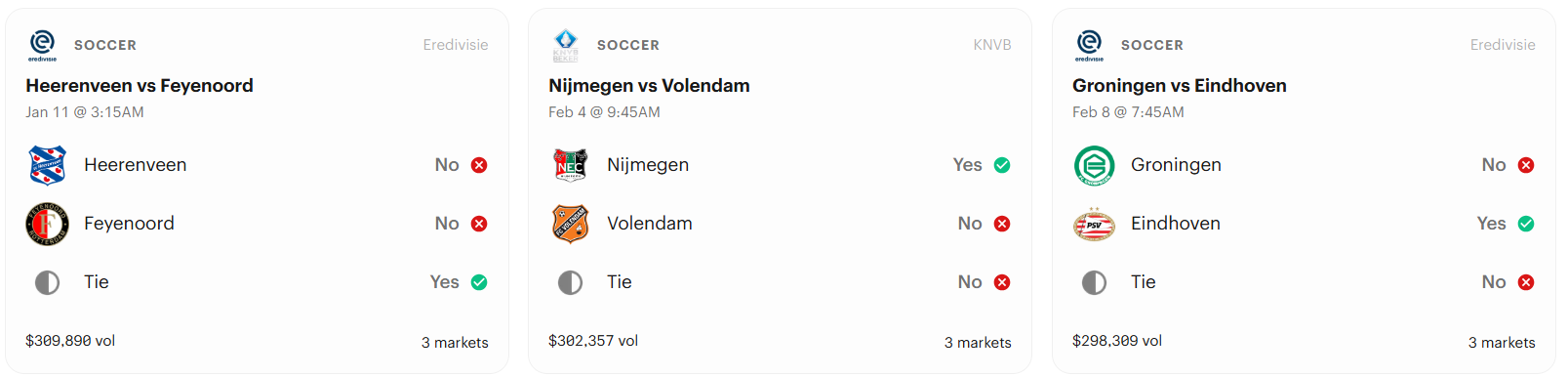
At the same time, Hyperliquid has expanded its own prediction market services in the Netherlands through its decentralized blockchain-based platform, which can be harder for regulators to fully control.
Interactive Brokers is taking a slightly different approach by presenting its prediction products as financial contracts instead of gambling products.
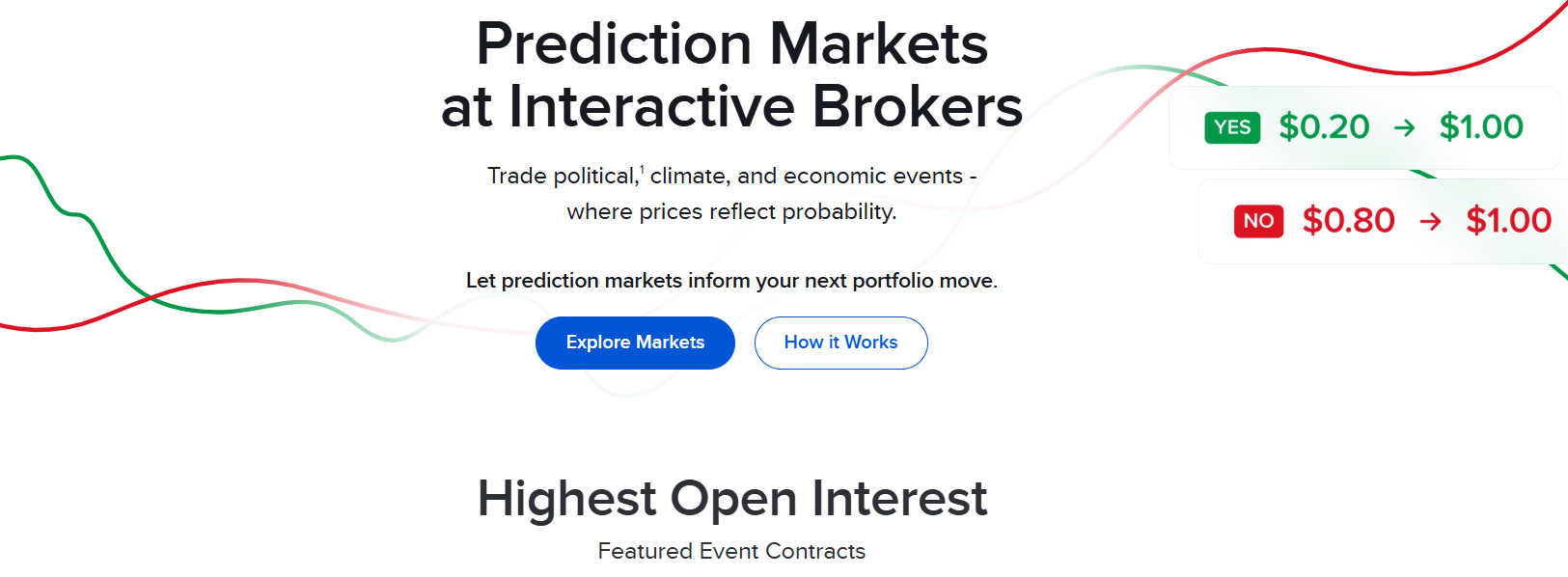
The company reportedly says these offerings are overseen by the Irish central bank rather than operating as traditional betting services.
However, Dutch regulators have warned that the Polymarket ban could also apply to similar services, signalling that authorities may continue expanding enforcement efforts beyond just one company.
Why Banning Platforms May Strengthen Them Culturally
One interesting effect of banning platforms like Polymarket is that the attention around the crackdown can sometimes make them even more popular. When regulators publicly warn against a platform or issue fines, more people suddenly become aware that the platform exists.
This is often called the “forbidden fruit” effect. Some users become more curious simply because the platform is being restricted or treated as controversial. Instead of discouraging interest, the ban can create a sense that the platform offers something unique, rebellious, or outside traditional financial systems.
Many users (especially in crypto) already distrust centralized rules and government control. Because of this, enforcement actions can also strengthen the image of prediction markets as part of a more open or decentralized internet economy. For some traders, the crackdown itself becomes proof that these platforms are challenging traditional systems.
There is also the marketing effect. Every headline about regulators targeting prediction markets can act as free publicity. People who had never heard of these platforms before may start searching for them after seeing news about bans, investigations, or legal threats. In some cases, enforcement can unintentionally expand awareness faster than normal advertising ever could.
At the same time, this attention can deepen online communities around these platforms. Users may begin viewing participation as part of a broader movement tied to free markets, crypto culture, or resistance to financial restrictions, making the platforms harder to fade away culturally even if regulators try to limit them legally.
Impact on Market Growth and Competition
The ban on Polymarket may slow down some parts of the prediction market industry in the Netherlands, but it is unlikely to stop the sector from growing completely. Instead, the market may become more competitive as other companies move in to fill the gap left behind.
Platforms like Kalshi, Hyperliquid, and Interactive Brokers are already offering different types of event-based trading products to Dutch users. This means traders still have alternatives, and competition between platforms could increase as each company tries to attract users interested in politics, sports, economic events, and crypto-related speculation.
The situation may also push platforms to evolve faster. Some companies could focus more on decentralized systems that are harder for regulators to control, while others may try to work within existing financial rules by presenting prediction markets as investment products instead of gambling services.
The competition is also no longer just between prediction market platforms. Traditional finance firms, crypto exchanges, and decentralized protocols are now entering the same space, creating a market where betting, finance, and crypto trading increasingly overlap.
Are Prediction Markets Actually Useful?
Supporters of prediction markets argue that they can sometimes predict real-world outcomes more accurately than polls, news analysis, or expert opinions. Because users put real money behind their predictions, these markets often react quickly to new information and changing public sentiment.
This is one reason prediction markets have gained attention around elections, economic events, sports, and financial trends. Some traders believe market pricing reflects collective public knowledge better than traditional forecasting methods.
However, critics say these platforms also come with serious problems.
Large traders, often called “whales,” can influence prices by placing huge bets. False information online can also affect market sentiment and push prices in misleading directions. There are also ethical concerns when people speculate on wars, assassinations, natural disasters, or political crises.
Another concern is that prediction markets can blur the line between financial forecasting and gambling, especially when users are betting on highly sensitive real-world events.
Can the Future of Prediction Markets Be Harder To Control Than Regulators Expect?
The situation in the Netherlands shows how difficult it may become for regulators to fully contain prediction markets, especially as more platforms move toward decentralized systems and global online access. Even when one platform is restricted, users can quickly shift to alternatives that operate under different legal structures or outside local jurisdictions.
At the same time, the growing interest in prediction markets suggests that demand is not disappearing anytime soon. As these platforms continue blending finance, crypto, forecasting, and online culture, regulators may face a bigger challenge than simply banning individual companies.
The real question now is whether governments can build clear rules around prediction markets before the industry evolves faster than existing laws can keep up with.
Disclaimer: This article is intended solely for informational purposes and should not be considered trading or investment advice. Nothing herein should be construed as financial, legal, or tax advice. Trading or investing in cryptocurrencies carries a considerable risk of financial loss. Always conduct due diligence.
Enjoyed this? Bookmark DeFi Planet, explore related topics, and follow us on Twitter, LinkedIn, Facebook, Instagram, Threads, and CoinMarketCap Community for seamless access to high-quality industry insights.
Take control of your crypto portfolio with DEFI PLANET PRO, DeFi Planet’s suite of analytics tools.”