












































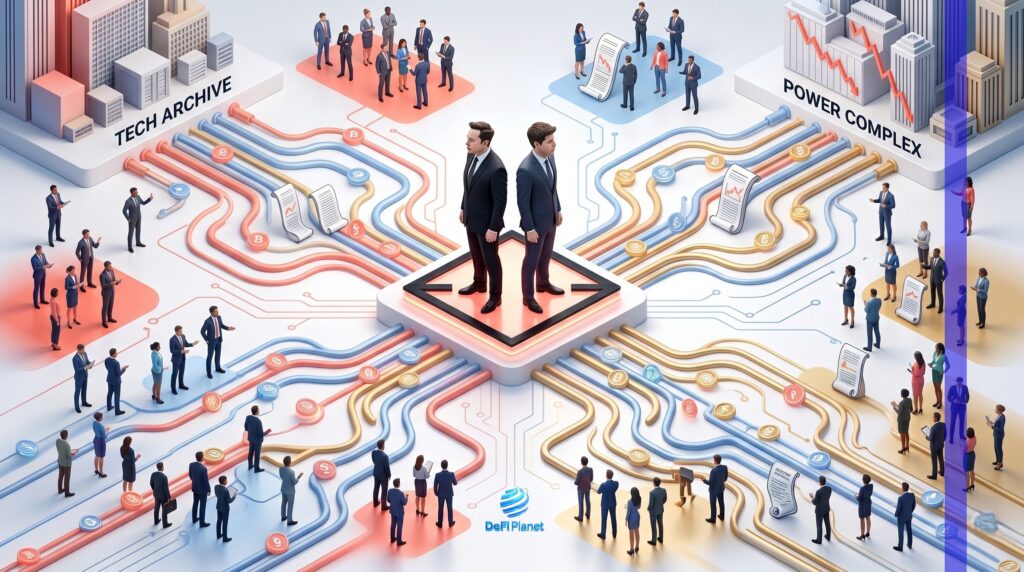
In 2015, Elon Musk and Sam Altman stood on the face of a question that would eventually define the entire AI industry. The question was, how do you build artificial intelligence powerful enough to change the world without eventually losing control of it? Alongside Greg Brockman and a small group of researchers and tech figures, they launched OpenAI under a nonprofit structure that was supposed to put safety ahead of profits. The premise was simple, at least on paper, that advanced AI would be developed in a way that benefited humanity as a whole, not a narrow set of shareholders.

Fast forward a decade, and that original vision now sits at the center of what is now one of the most important legal and philosophical battles the tech world has seen in years. The dispute is not only about the risks artificial intelligence could pose to society, though those fears are serious enough on their own. It is also about something far more uncomfortable: whether the people who warned the loudest about the potential and danger of AI genuinely believed in the mission they were selling to the public, or whether the ideals changed once money, influence, and competitive pressure entered the picture.
Musk argues that OpenAI’s original mission formed the basis for his involvement and financial support, and that it was later subverted when the organization transitioned towards a capped-profit structure and deep commercial partnerships. Altman, on the other hand, argues that evolution was always a part of the plan and that scaling AI required capital, and that Musk understood this from the very beginning. As the events continue to unfold and new information comes to light, the jury will not just decide which version of AI is correct, but which version of history is.
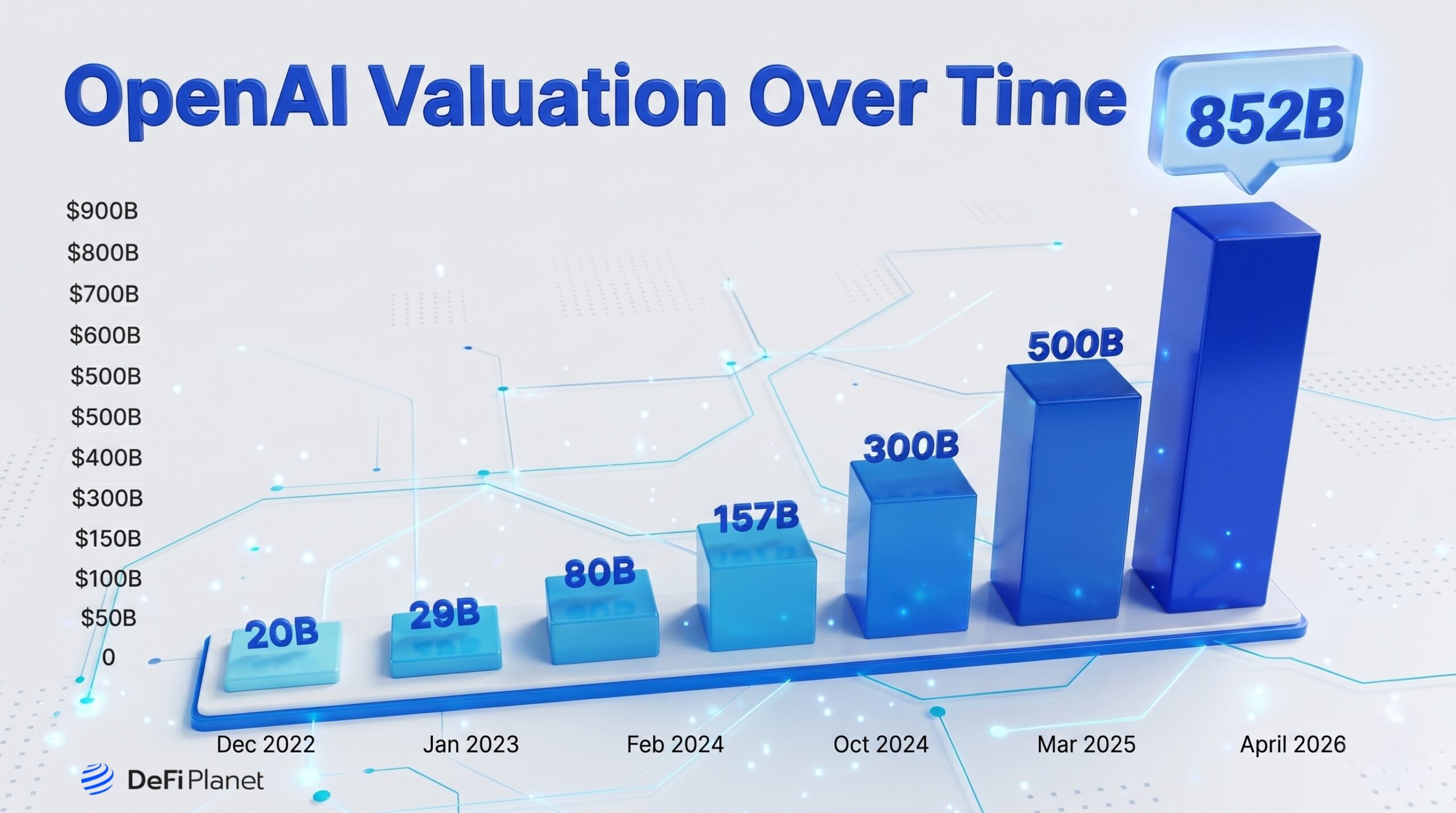
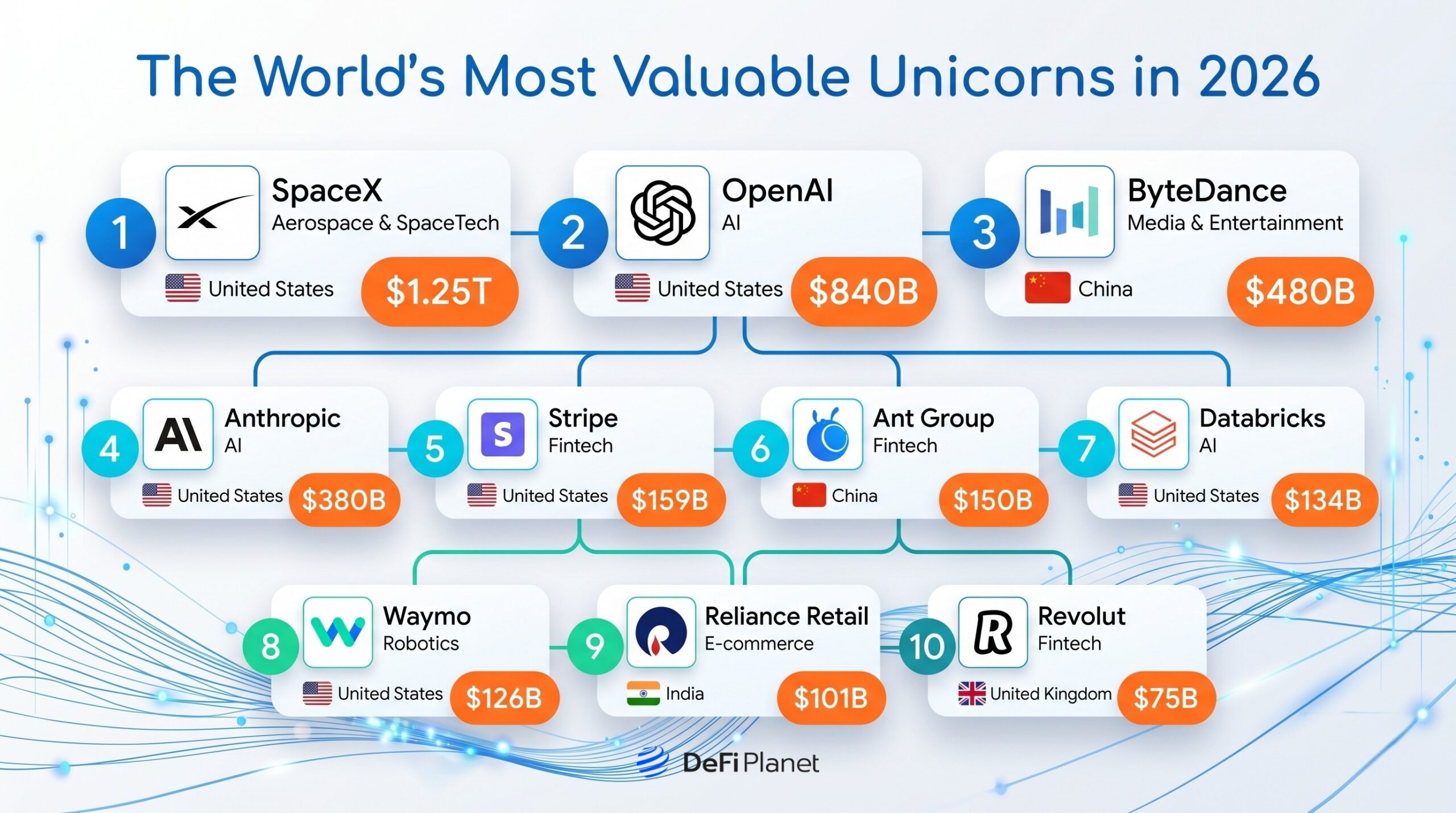
The financial scale gives the dispute weight, because OpenAI now serves close to a billion weekly active users across its products and is valued at approximately $852 billion in private markets, according to filings referenced in pre-trial disclosures.
Musk is not seeking personal damages. The following is what his complaint asks for in a nutshell:
- The removal of CEO Sam Altman and President Greg Brockman from their roles at OpenAI.
- A court order to dismantle the for-profit, commercial structure that OpenAI adopted and its partnership with Microsoft, effectively returning it to its original non-profit state.
- Damages ranging from $79 billion to over $150 billion, which he has asked to be paid back to OpenAI’s non-profit arm rather than to himself.
- An order to prevent OpenAI from selling its technology for profit and to ensure they do not enrich themselves from what he calls “ill-gotten gains”.
Musk framing OpenAI’s profit as “ill-gotten gains” is central to this case, allowing him to argue that it is not a business dispute but a matter of loyalty and public trust.
What follows is a beneath-the-surface examination of the record itself: the depositions, internal messages, personal writings, and judicial rulings. Taken together, they form a vignette of a relationship that began in alignment and seems to be ending in litigation.
The Burning Man Problem
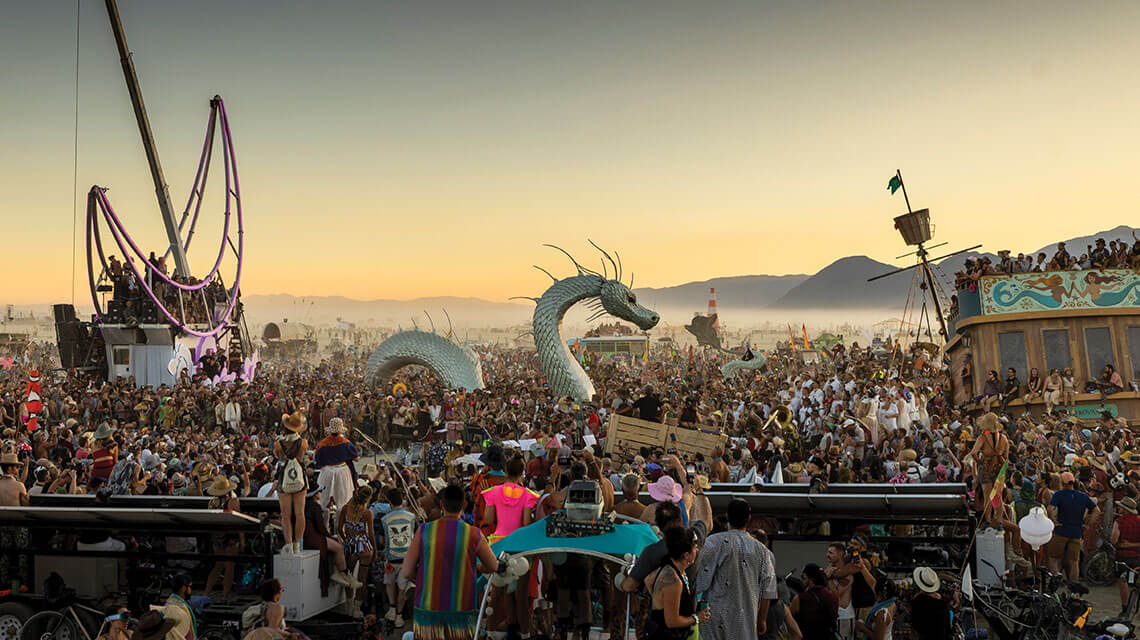
In September 2025, Elon Musk sat for a deposition that would later become one of the seemingly more unusual threads in the case, as OpenAI’s counsel had decided to focus on a specific period from 2017. Internal discussions about the restructuring of the organization were intensifying, and questions were being raised about the future amidst many other internal discussions. During that period, Musk was said to have attended an event known as Burning Man, and questions were quickly raised about his presence alongside the introduction of references to a certain hallucinogen described in testimony as “rhino ketamine.”
Musk responded that he did not know what the term referred to and said he did not recall using it with OpenAI’s legal team, pointing to exchanges like this in an effort to question how fully engaged or attentive Musk may have been during parts of the 2017 negotiations. In a March 13, 2026, pretrial ruling, Judge Yvonne Gonzalez Rogers barred broad questions about alleged ketamine use unless there was evidence linking it to impaired decision-making. However, the court allowed a limited inquiry into Musk’s attendance at Burning Man and whether it may have affected his engagement during discussions involving OpenAI.
The ruling gave OpenAI a limited but potentially important opportunity in the case because the company is not allowed to argue that Elon Musk was intoxicated during key discussions unless it can directly show that his judgment or decision-making was affected. The court did, however, allow limited questioning about whether Musk may have been distracted or not fully engaged during an important period in OpenAI’s early negotiations, and this distinction matters because much of the case depends on competing memories of conversations that took place years ago. Many of the central disagreements were never fully written into formal agreements or board resolutions; instead, they were shaped through emails, calls, meetings, and informal discussions about OpenAI’s mission and future direction.
As a result, the reliability and completeness of Musk’s recollection have become an issue the jury may eventually have to consider, and OpenAI’s strategy does not appear to be focused on proving that Musk was dishonest; rather, it is aimed at raising questions about whether his memory of certain events may be incomplete or selective. If the jury concludes that Musk may not have fully remembered key details or discussions from 2017, then his account of what OpenAI originally promised could carry less weight, and in a case built heavily around intent, understanding, and verbal discussions, even small doubts about recollection can become significant.
Elon Musk’s legal team has pushed back against this line of questioning by arguing that the case should focus on documents, not speculation about personal events, and they point to emails, draft agreements, and the actions taken by OpenAI in later years as stronger evidence of what the company originally intended. In their view, too much focus on Burning Man risks shifting attention away from the written record and toward assumptions that cannot be clearly proven.
Their argument is that a witness does not need to remember every detail from nearly a decade ago to give reliable testimony about major negotiations, especially when parts of those discussions are backed up by emails and other documents.
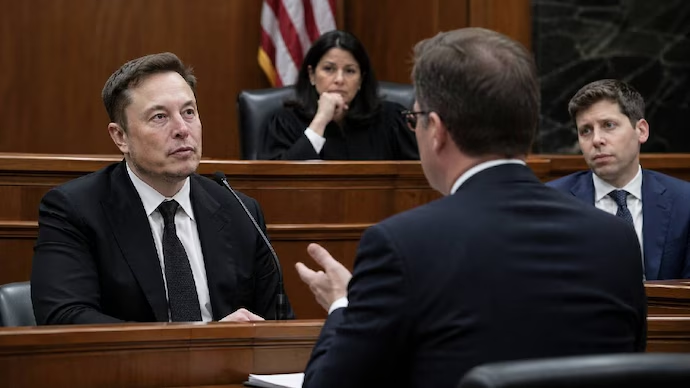
Judge Yvonne Gonzalez Rogers ultimately took a middle position where she blocked broad references to alleged drug use. The court also wanted to avoid unfairly influencing the jury with claims that could be more prejudicial than relevant. At the center of this issue is not really Burning Man itself, but memory, and OpenAI’s broader argument is that if Musk was less involved in certain conversations than he now claims, then his version of what OpenAI promised in 2017 may be less reliable.
The timing matters because these discussions took place shortly before OpenAI moved toward a for-profit structure, and during that period, company leaders were debating major issues related to funding, governance, and control over future AI development. If Musk was deeply involved in those conversations and remembers them accurately, it supports his claim that OpenAI later moved away from its original mission, but if he was less engaged, OpenAI can argue there was never a clear agreement to begin with.
For the jury, the bigger issue is unlikely to be Burning Man or allegations of drug use; the central question is whether Musk’s memory of those negotiations is reliable enough to support his claims about OpenAI’s founding agreements and the company’s later direction. In a case built largely around competing versions of past conversations, even small doubts about memory and involvement can become important.
Shivon Zilis — The Board Member Inside the Room
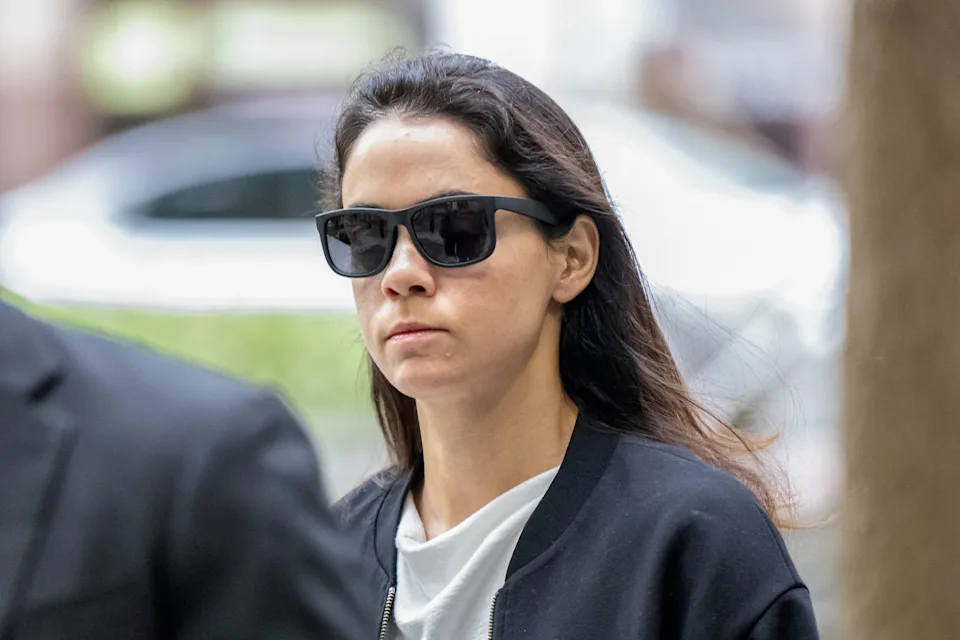
One of the more delicate parts of the discovery record involves Shivon Zilis, who served on OpenAI’s board from 2020 to 2023. Zilis has worked closely with Elon Musk for years and is also in a personal relationship with him. That detail has drawn plenty of attention outside the courtroom, but legally it is not the central issue. The real question is fiduciary duty.
Board members are expected to act in the best interests of the organization they serve. That includes protecting confidential information and avoiding situations where internal discussions could be shared in ways that might disadvantage the company. Under corporate law, the obligation goes beyond formal leaks or document transfers. It can also include informal conversations, selective summaries of internal debates, or even the way information is framed when speaking to someone outside the organization.
OpenAI argues that Zilis acted as a link between internal company discussions and Musk during an important period in the company’s development. According to messages produced in discovery, she discussed how information could be relayed to him and how events inside OpenAI might be interpreted.

OpenAI’s position is that the issue was not just information sharing, but selective information sharing. In other words, the company believes the communications show more than casual conversation between people in the same industry.
At the same time, the record is incomplete. The filings do not show a full archive of communications, and there are gaps in the material available to the court. OpenAI’s argument instead relies on the broader pattern created by the messages that do exist. Their position is that, taken together, the exchanges suggest communication that may have crossed the normal boundaries expected from a board member.
Musk’s legal team rejects that framing. They argue the messages reflect the kind of informal communication that regularly happens between executives, investors, advisers, and board members across Silicon Valley. From their perspective, communication alone is not evidence of misconduct. They also argue that many of the messages are fragmentary and open to interpretation, making it difficult to draw firm conclusions about intent or purpose.
His lawyers further argued that even if Zilis shared impressions or discussed internal matters with Musk, there is no clear evidence showing Musk directed those conversations or used the information in a way that harmed OpenAI. That distinction matters to their defence. Awareness is not the same thing as coordination, and coordination is not the same thing as liability.
The court has allowed questioning about both the relationship and the communications themselves. That does not mean wrongdoing occurred. It only shows the court’s view that the context surrounding the communications may help explain their nature and significance. Still, the legal analysis ultimately comes back to conduct, not personal relationships. The important questions are what information was shared, how it was shared, and whether it had any meaningful effect on OpenAI.
The timing of these communications also increases the stakes. Zilis served on the board during a period when OpenAI was actively debating its structure, governance, and long-term direction. Decisions being discussed internally at the time were closely tied to funding, control, and the company’s future. That makes any alleged information shared with an outsider more consequential than it might otherwise appear.
Despite the volume of material produced during discovery, the evidentiary picture remains fragmented and incomplete. The record consists of individual messages, partial threads, and interpretations that must be assembled into a coherent narrative by each side. One interpretation suggests a breach of duty arising from a pattern of information flow, while the other frames the same material as inconclusive and consistent with ordinary professional interaction.
That is the issue the jury will eventually have to weigh. Not whether communication happened, because both sides largely agree that it did. The real question is whether the nature of those communications crossed the line from informal contact into a violation of legal obligations owed to OpenAI.
Greg Brockman’s Diary — The “$1B” Entry and the One That Cuts Both Ways
Here are excerpts from Greg Brockman’s diary written during the early days of OpenAI pic.twitter.com/iq3l6VWCPC
— Whole Mars Catalog (@wholemars) January 16, 2026
The case might not have reached a jury without Greg Brockman’s personal writings. Brockman was a key architect behind OpenAI’s strategic direction. During discovery in 2025, Musk’s team obtained access to diary entries that Brockman had kept during the period when OpenAI’s structure was under debate. Those entries quickly became some of the most closely examined documents in the case.
One entry, written in the same month as Musk’s reported ultimatum regarding control and funding, reads in part:
“This is the only chance we have to get out from Elon. Is he the ‘glorious leader’ that I would pick? We truly have a chance to make this happen. Financially, what will take me to $1 billion? … Accepting Elon’s terms nukes two things: our ability to choose and the economics.”
For Musk, the diary entry is key as it suggests that Brockman saw Musk as an obstacle and that financial considerations were mixed with decisions about how the company was run. In that reading, moving away from a nonprofit was not just an inevitable evolution, but seemed like a strategic choice influenced by personal interests.
There is, however, a second entry. In it, Brockman reflects on the possibility of restructuring without Musk’s involvement and writes that it “would be wrong to steal the nonprofit from him” and that such a move would be “morally bankrupt.”
OpenAI’s legal team points to this entry as evidence that Brockman was grappling with ethical concerns rather than documenting a plan to exclude Musk. They argue that the diary as a whole reflects internal debate, not a settled course of action, and in their view, isolating individual lines distorts the broader context.
Judge Gonzalez Rogers addressed the diary directly in a January 15, 2026, ruling on summary judgment. She found that there was “ample evidence in the record” and that “triable issues of fact exist for a jury to decide.” That language is decisive, as it does not endorse either interpretation, and it confirms that both interpretations are plausible enough to require resolution at trial.
That is what makes the diary so important to the case. It supports Musk’s argument while also undermining parts of it. One reading suggests intent, exclusion, and financial motivation. The other suggests uncertainty, disagreement, and a group of executives struggling to figure out what OpenAI was supposed to become. The same documents can reasonably support both conclusions, which is exactly why they became central to the trial.
The Zuckerberg Texts
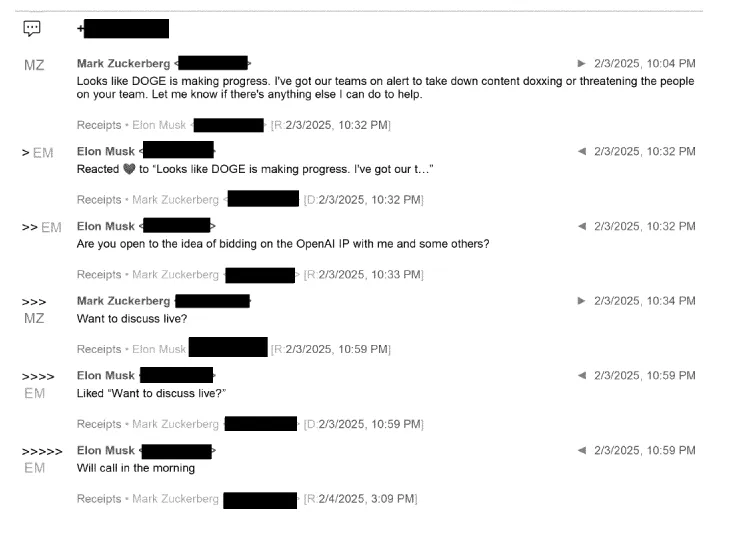
In the exhibits filed during pretrial proceedings, a brief exchange between Elon Musk and Mark Zuckerberg was presented and has drawn attention less for its content than for what it quietly suggests about intent and caution.
Musk is shown texting Zuckerberg with a direct proposal:
“Are you open to the idea of bidding on the OpenAI IP with me and some others?”
Zuckerberg replies briefly: “Want to discuss live?”
One reading is that Zuckerberg simply did not want to continue a sensitive conversation over text. Another is that he understood the legal and reputational risks that come with leaving a written record. In cases like this, small choices about what gets said openly and what gets moved offline often become part of the larger evidentiary story. Intent, timing, and context matter as much as the messages themselves.
OpenAI has pointed to this exchange as potentially inconsistent with Musk’s public narrative, mainly because if Musk was considering involvement in a bid to acquire OpenAI’s intellectual property, the argument goes, it may suggest that his motivations were not purely about safety or governance, but also included strategic or commercial considerations.
Musk’s side rejects that interpretation, arguing that exploring possible structures or ownership paths does not cancel out concerns about how AI is governed or developed. In their view, engaging in high-level strategic thinking about AI systems can coexist with a belief that those systems should ultimately serve the public good.
Other communications included in the court record add more context, though they are less central to the dispute itself. Some messages reportedly show Zuckerberg offering help with media coverage connected to Dogecoin through Meta-related platforms. Those exchanges are not directly tied to OpenAI’s restructuring, but they do help illustrate how closely connected many of the major figures in the technology industry are behind the scenes.
When taken together, the messages do not settle the question the court must answer. They widen it, and what looks like a simple text thread becomes part of a larger argument about intent, relationships, and how private conversations frame public disputes in the tech world.
The Bezos “Tool” Email
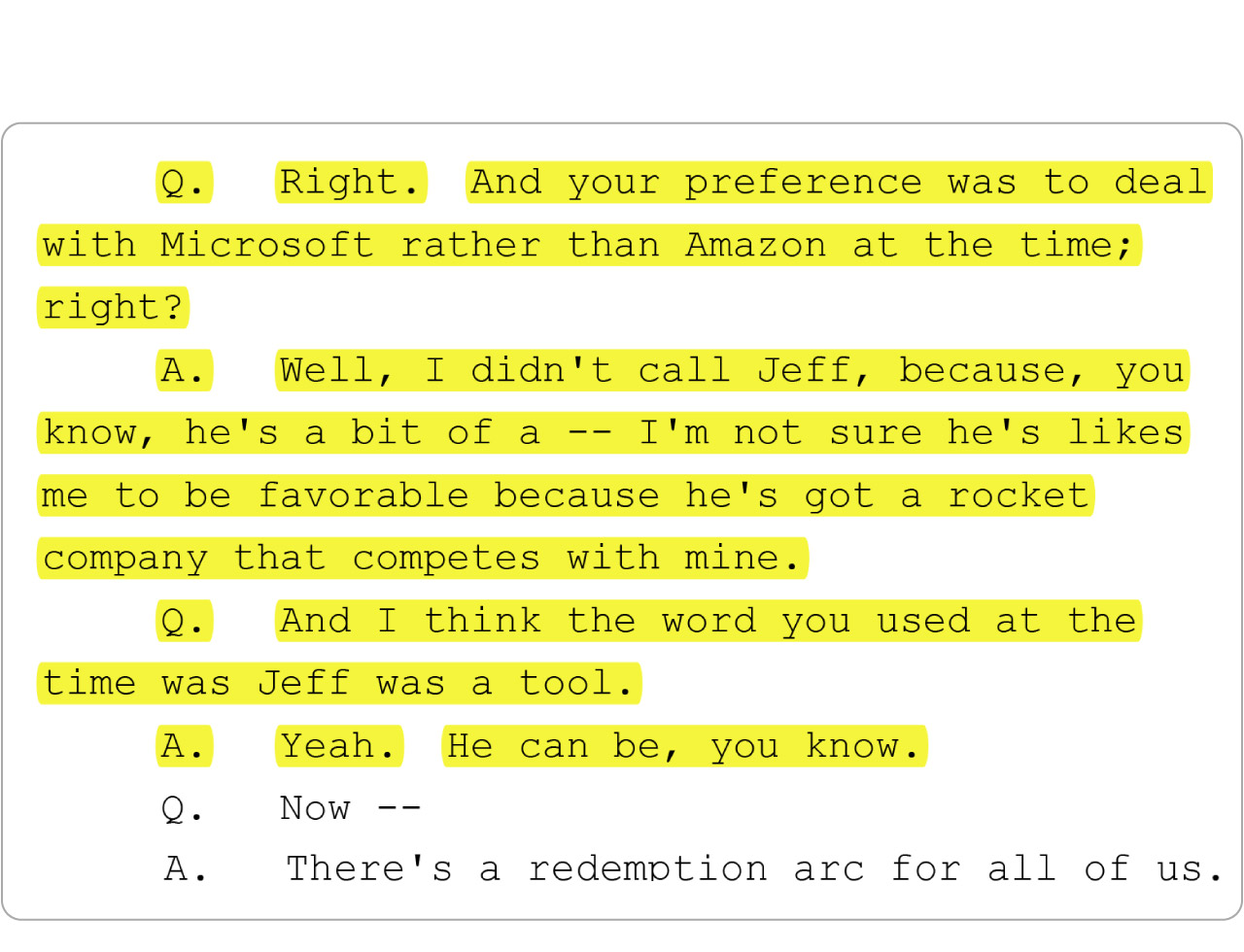
In 2016, Musk sent an email to Altman discussing cloud infrastructure options for OpenAI and arguing in favour of partnering with Microsoft rather than Amazon, also writing that he considered Jeff Bezos to be “a bit of a tool.”
The email resurfaced during discovery and was addressed in Musk’s 2025 deposition. When asked about the remark, Musk did not walk it back. He responded, “He can be, you know,” and added that “there’s a redemption arc for all of us.”
On its face, the exchange is informal, but when you put it in context, it carries weight. OpenAI uses it to argue that personal rivalries have influenced strategic decisions from the outset and that the choice of cloud provider was not merely technical, having been shaped at least in part by Musk’s views of Bezos and Amazon.
That context extends into the present, where you have Musk preparing for a potential public offering of SpaceX, and OpenAI is pursuing its own public market trajectory. Competition among major tech leaders is a constant part of their history. While the email does not prove wrongdoing, it shows a pattern. The same people, rivalries, and strategies have influenced decisions for years.
The Altman Flattery Messages
Among the retinue of documents produced in discovery are messages from Altman to Musk that include expressions of admiration. In one exchange, Altman refers to Musk as “my hero,” a language that is personal and deferential and one that denotes esteem, the type that signals strategy as a way to maintain alignment and avoid conflict during an important period in OpenAI’s growth.
The legal question is not whether the wording is sincere in a personal sense. It is how it should be interpreted in a corporate setting. OpenAI argues that messages like this are best understood as part of routine diplomatic management of a major donor and cofounder whose support was important to the organization in its early years. In that reading, the tone reflects strategy and relationship management, not binding assurances about governance or structure.
Musk’s legal team reads the same messages differently. They argue that expressions of trust and admiration are evidence of a closer alignment between the founders than OpenAI now acknowledges. From that perspective, the warmth of the communication supports the idea that Musk relied on representations about OpenAI’s mission and trajectory. If the organization was already considering a shift away from its original nonprofit structure, they argue, then the tone of these exchanges becomes relevant to questions of reliance and expectation.
The dispute extends to visual materials from OpenAI’s early years, and Musk’s legal team has raised concerns about the omission or limited use of photographs and documents that would highlight his role as a founder. They argue that minimizing his contribution supports an unjust enrichment claim by obscuring the basis of his involvement and contributing to a limited public perception of how much his influence actually was.
OpenAI disputes the characterization and maintains that public representations of its founding have been accurate, and as with other elements in the record, the messages do not carry a single meaning. In their view, disagreements over emphasis or presentation do not amount to distortion and do not change the underlying facts of who contributed what and when.
What the Trial Can Actually Change — and What It Cannot
On the eve of trial, Musk narrowed his claims, withdrew the fraud allegations, and what remained were claims of unjust enrichment and breach of charitable trust. This narrows the jury’s role. It can hear the evidence and make advisory findings on liability, but it is Judge Gonzalez Rogers who ultimately decides remedies. In other words, even if the jury agrees with Musk on some or all of his claims, the final decisions about consequences remain with the court.
If Musk were to prevail, the court could consider a range of outcomes, and some of these include financial remedies directed toward OpenAI’s charitable purposes, changes in governance, or actions affecting the structure of the organization. The removal of Altman or Brockman from leadership roles is among the possibilities raised in the complaint, though any such decision would depend entirely on how the court evaluates the evidence and applies the law.
If Musk does not prevail, however, the current structure of OpenAI is likely to remain intact, subject to ongoing regulatory and market pressures, and with prediction markets tracking perceptions of the case, contracts on platforms such as Polymarket and Kalshi have placed Musk’s chances of success in the range of 28 to 32% in the lead up to the trial.
That figure represents a decline from earlier estimates following the release of Brockman’s diary entries, when probabilities were closer to 60%, reflecting a reassessment of legal strength. Initial reactions to the diary emphasized its potential as evidence of intent, and subsequent analysis has focused on the challenges of proving breach of charitable trust and unjust enrichment in a complex organizational context.
Markets do not decide cases, but they do reflect expectations, and in this instance, those expectations have become more cautious.
The SpaceX-Cursor Deal and Why the Timing Matters
As the trial unfolds, operating on two timelines at once. One is the courtroom. The other is the market, where the way people perceive these happenings can move as quickly as evidence, long before any legal conclusion arrives.
SpaceX has reportedly signaled interest in a potential transaction involving Cursor, and has structures ranging from a full acquisition at around $60 billion to a smaller $10 billion arrangement tied to deeper collaboration. When you look at the other side, however, OpenAI has continued preparations for a possible public market listing, with internal planning discussions pointing toward a potential debut as early as the fourth quarter.
These developments are not formally linked to the litigation, but they sit in the same environment. Large legal disputes rarely stay confined to filings and testimony. They spill into investor conversations, risk models, and valuation assumptions. In this case, both companies are effectively being assessed in real time while the trial adds a layer of uncertainty to already aggressive growth plans.
OpenAI has already noted that in investor-facing disclosures that the lawsuit already represents a material risk and while this language is typical in form, its implications are not and it would mean that the outcome, if favourable or not or just simply prolonged could influence how investors think about governance stability, leadership continuity and long term exposure at a moment when the company is attempting to position itself for the larger market entry.
For Elon Musk, the stakes are structured differently but still remain closely linked, and any unfavourable ruling could weaken the narrative across the broader ecosystem of companies, especially those where AI is becoming more central to both the product direction and its strategic identity. As his ventures continue to converge around advanced computation, autonomy, and infrastructure, the legal findings that typically reshape the story of his role in early AI development could carry serious reputational and strategic consequences that could extend far beyond this case.
That is part of what explains the absence of a settlement at this stage and in most commercial disputes of this scale, resolution is often driven by risk reduction but here, risk is not symmetrical and on one side, settling may preserve flexibility but leave key questions unresolved and for the other, continuing to trial may increase exposure but offer the possibility of a definitive judicial narrative which is something that cannot be negotiated privately.
There is also a subtler dimension at play because in markets, ambiguity is not neutral, and as long as this case remains unresolved, it occupies the background of investor conversations and shapes the assumptions about governance, intent, and control.
A court judgment would not eliminate uncertainty entirely, but it would help to compress it into something more structured and legally defined. In high-growth technology markets, that kind of clarity has its own value. It can influence capital allocation just as directly as revenue, product momentum, or technical performance.
Conclusion
The record in Musk v. Altman does not point cleanly in one direction. Almost every important document in the case supports two competing interpretations at the same time. A diary entry can read either as evidence of intent or as someone thinking through uncertainty in private. A flattering message can look sincere or strategic depending on the context around it. Even basic conversations about meetings and negotiations now depend on whose memory the jury finds more reliable.
What the trial will produce is not a resolution of every ambiguity but a resolution of liability and, in time, a set of remedies shaped by judicial discretion. Those outcomes will matter for the individuals involved, for OpenAI’s structure, and for the broader question of how nonprofit models function in industries that require vast capital.
If Musk prevails, the decision could reinforce the enforceability of mission-driven commitments in technology organizations and could indicate that departures from founding principles carry legal consequences, particularly when those principles are tied to charitable purposes. If Altman prevails, the decision could affirm the flexibility of organizational structures in response to technological and financial realities, supporting the view that evolution is not betrayal but necessity.
For the AI industry, the implications extend beyond a single company, and the case tests whether the language of safety and public benefit, so often invoked in discussions of artificial intelligence, has binding force or rhetorical value, and as such, the answer lies not in commentary but in the record.
Disclaimer: This article is intended solely for informational purposes and should not be considered trading or investment advice. Nothing herein should be construed as financial, legal, or tax advice. Trading or investing in cryptocurrencies carries a considerable risk of financial loss. Always conduct due diligence.
Enjoyed this? Bookmark DeFi Planet, explore related topics, and follow us on Twitter, LinkedIn, Facebook, Instagram, Threads, and CoinMarketCap Community for seamless access to high-quality industry insights.
Take control of your crypto portfolio with DEFI PLANET PRO, DeFi Planet’s suite of analytics tools.