




















































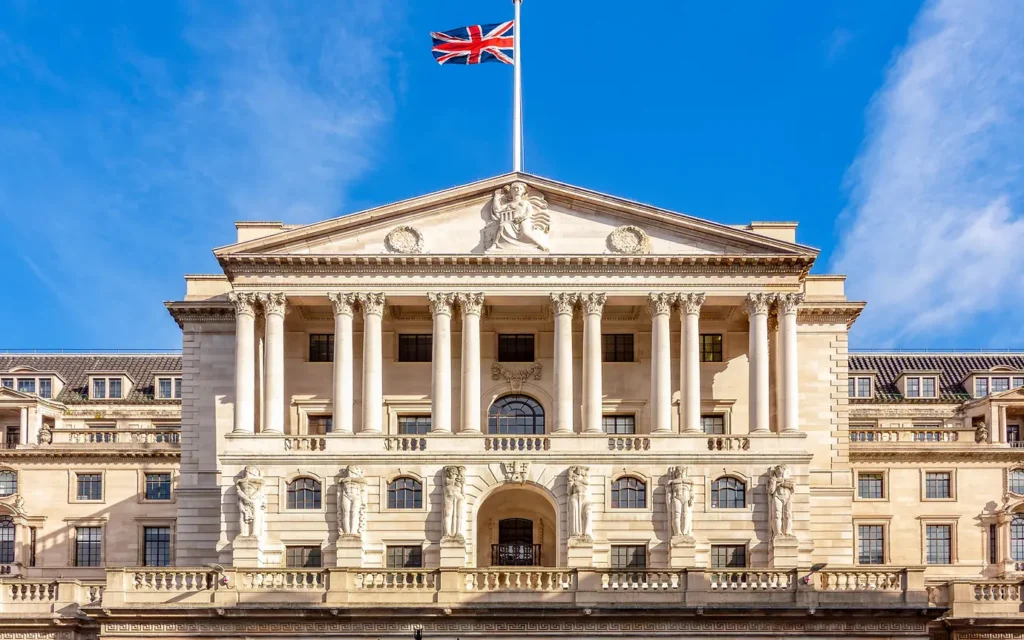
The Bank of England has been developing its stablecoin framework for months as regulators across Europe and other major economies move closer toward formal crypto oversight.


How long has the Bank of England been working on stablecoin rules?
The central bank initially proposed strict measures to reduce financial risks tied to privately issued stablecoins, especially those that could eventually be used for large-scale payments in the UK economy.
Its earlier proposal required stablecoin issuers to keep 40% of their reserve assets as non-interest-bearing deposits at the central bank. Regulators also discussed temporary holding limits for users and businesses. The rules were designed to prevent sudden liquidity problems if stablecoins became widely used during periods of market stress.
What changed in the latest development?
The latest move came after growing criticism from crypto firms and industry groups, which argued that the proposed system would make stablecoin operations expensive and difficult to scale in the UK.
Bank of England Deputy Governor Sarah Breeden now says policymakers are “genuinely open” to alternative approaches after hearing concerns from the industry. That marks one of the clearest signs yet that UK regulators may soften parts of their original framework rather than push ahead unchanged.
The comments also suggest the central bank is trying to avoid driving digital asset firms toward regions with more flexible crypto rules, such as the UAE, Singapore, or parts of the European Union.
You may also like: UK Government Releases Comprehensive Draft Legislation to Support Industry and Curb Fraud
What could this mean for crypto in England?
For the UK crypto sector, the change could improve confidence that regulators are willing to negotiate instead of imposing rules unilaterally. Stablecoin companies, exchanges, and payment firms have been closely watching whether Britain would become a restrictive or competitive market for digital finance.
Other countries have already moved ahead with clearer stablecoin frameworks. The European Union introduced MiCA rules, while the UAE has expanded regulated digital asset activity through Abu Dhabi and Dubai. The UK now faces growing pressure to balance financial stability with keeping crypto innovation inside the country.
With the global stablecoin market now valued at $288 billion and forecast to reach $2 trillion in the coming years, crypto advocates argue Britain must adopt a more competitive framework to maintain its place as a global financial hub.
Enjoyed this? Bookmark DeFi Planet, explore related topics, and follow us on Twitter, LinkedIn, Facebook, Instagram, Threads, and CoinMarketCap Community for seamless access to high-quality industry insights
Take control of your crypto portfolio with DEFI PLANET PRO, DeFi Planet’s suite of analytics tools.