

















































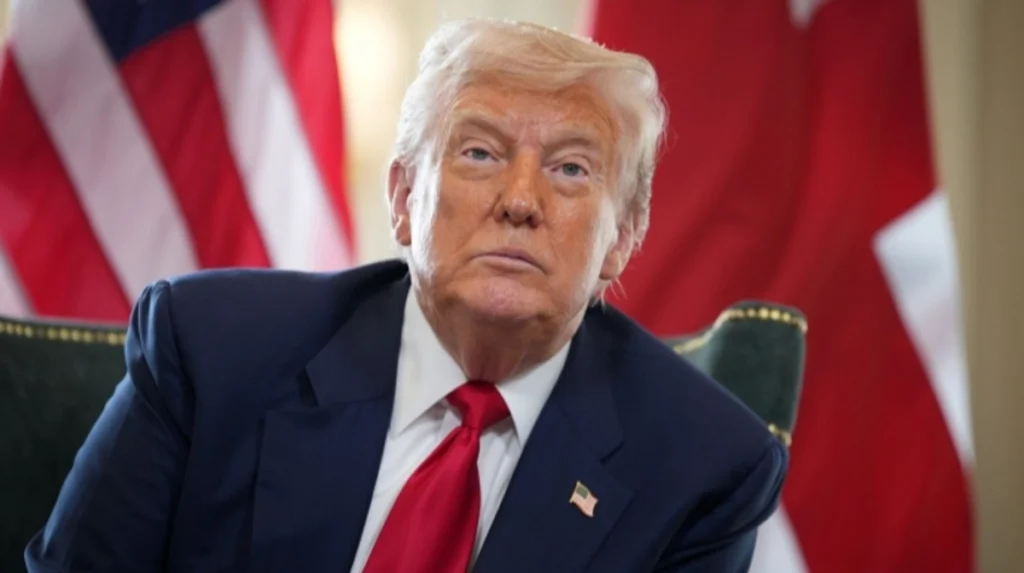
U.S. President Donald Trump has reportedly expressed dissatisfaction with Iran’s latest proposal to end the ongoing conflict, signalling a fresh setback in fragile diplomatic efforts and intensifying uncertainty across global financial markets.

According to multiple reports, Iran’s proposal prioritized ending hostilities and resolving disputes over Gulf shipping routes before addressing its nuclear programme, an approach that clashes directly with Washington’s position that nuclear issues must be addressed upfront.
The disagreement shows a deeper strategic divide that has stalled negotiations and dampened hopes for a near-term resolution to the war, which began earlier this year and has already disrupted global energy flows.
Nuclear dispute stalls peace momentum
At the heart of the impasse is Iran’s insistence on postponing nuclear discussions until after a ceasefire is secured. The U.S., however, views Iran’s nuclear ambitions as the central issue driving the conflict and has made it a non-negotiable starting point for any agreement.
This standoff has had immediate geopolitical consequences. Diplomatic engagements have slowed, and mediation efforts involving regional actors have struggled to gain traction as both sides remain firmly positioned. Meanwhile, tensions around the Strait of Hormuz continue to restrict oil flows, amplifying pressure on global supply chains and reinforcing inflationary concerns.
Crypto ‘may or may not’ continue to gain investor attention as conflict reshapes financial flows
The market response has been swift, with oil prices climbing sharply as investors react to the growing risk of prolonged disruption in one of the world’s most critical energy corridors. Even partial instability in the Strait significantly affects global supply expectations.
In sanction-heavy environments, digital assets have increasingly been viewed as alternative rails for cross-border transactions, particularly where access to conventional financial systems is limited.
Iran has a documented history of leveraging crypto mining and blockchain-based transactions to mitigate the impact of international sanctions, especially during periods of restricted access to global banking infrastructure.
For retail investors, risk appetites may be lower in this period, and that affects pricing on growth assets generally (crypto included).
Bitcoin’s recent rally to around 80k might have merely been a result of large buyers like Saylor’s Strategy which lately have been accumulating the asset in large volume, and not a sure sign of restoring confidence amidst geopolitical tension.
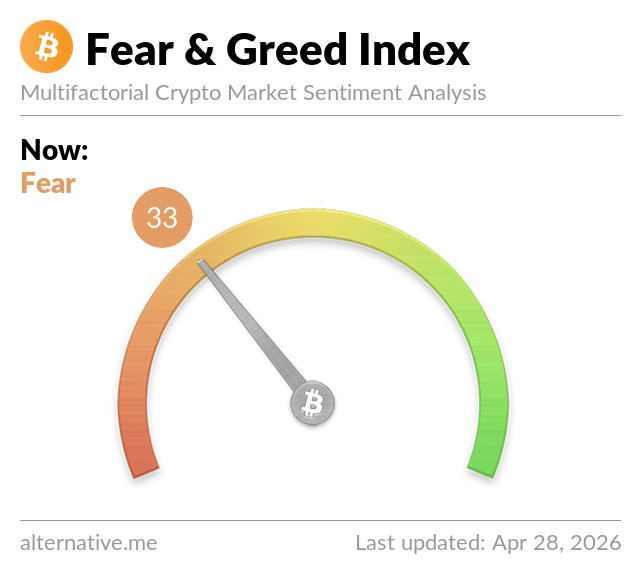
The market still appears to be in a waiting phase. Prices haven’t moved decisively higher, and probably won’t until investors feel more comfortable with economic and macro events. Until then, a lot of capital is on the sidelines.
With both sides holding firm, the path to resolution remains uncertain. What is clear, however, is that the ripple effects extend beyond diplomacy, impacting energy markets, financial systems, and also affecting the role of crypto in global economic strategy.
Enjoyed this piece? Bookmark DeFi Planet, explore related topics, and follow us on Twitter, LinkedIn, Facebook, Instagram, Threads and CoinMarketCap Community for seamless access to high-quality industry insights.
“Take control of your crypto portfolio with DEFI PLANET PRO, DeFi Planet’s suite of analytical tools”