



















































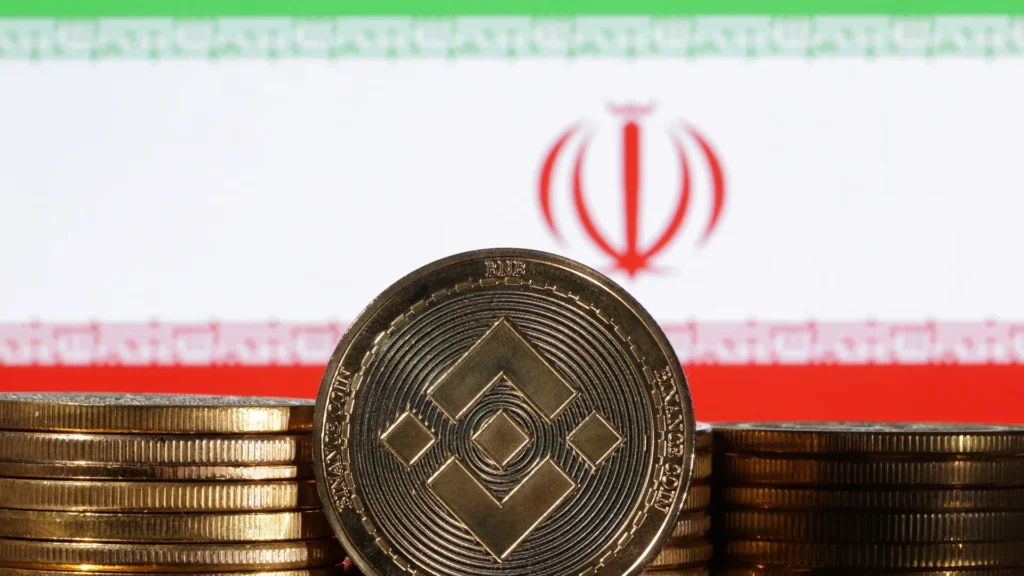
Just hours after news broke of a tentative two‑week ceasefire between the United States and Iran, Iranian authorities began rolling out details of how the crucial Strait of Hormuz might reopen. Oil tankers may have to settle passage fees using Bitcoin and other digital currencies.

Under the proposed system, Iran will charge approximately $1 per barrel of oil transported through the strait, with payments to be made directly to government-controlled Bitcoin wallets, according to a report from Financial Times. Ship operators would be required to submit cargo details for approval, and once cleared, complete the payment within a short time window before being allowed passage.
The Strait of Hormuz remains one of the most critical global oil routes, accounting for a significant share of the world’s crude supply. Iran’s control over the passage intensified following U.S. and Israeli strikes earlier in the year, which led to a temporary shutdown and severe disruption in maritime traffic.
BREAKING: Iran is demanding $1 per barrel of oil passing through the Strait of Hormuz, payable in cryptocurrency, per FT.
At pre-war Hormuz traffic of roughly 20 million barrels per day, the per-barrel fee would generate approximately $7.3 billion annually for Iran, collected…
— The Hormuz Letter (@HormuzLetter) April 8, 2026
Bitcoin’s role in this framework is strategic. Iranian officials reportedly view crypto payments as a way to ensure that transit fees cannot be easily tracked, blocked, or seized under existing international sanctions.
Ships required to follow strict clearance and payment process
Beyond the payment requirement, vessels seeking passage must undergo a structured clearance process. Ships are expected to disclose cargo details and await approval from Iranian authorities before proceeding. Once approved, operators are given a limited timeframe to complete the Bitcoin transaction, after which access is granted.
The toll structure is tied to a broader “Strait of Hormuz Management Plan,” which has been reviewed by Iranian parliamentary committees and aims to formalize control over the waterway while restricting access for vessels linked to hostile nations.
In some cases, shipping operators have reportedly complied with these demands to avoid prolonged delays, with hundreds of vessels previously stranded amid heightened tensions and restricted access to the route.
Sanctions pressure accelerates crypto use in trade
Iran’s willingness to accept crypto aligns with its longer-term strategy of leveraging digital assets to navigate sanctions. The country has supported Bitcoin mining since 2019 and increasingly uses alternative payment systems to facilitate cross-border transactions.
The proposal could also trigger friction with other oil-producing nations such as Saudi Arabia, the UAE, and Qatar, which rely heavily on the strait but may resist Iran exerting unilateral financial control over its use.
While the system is still emerging and tied to post-conflict arrangements, it represents a notable shift: cryptocurrencies are being positioned not just as financial tools, but as instruments embedded directly into global trade and geopolitical strategy.
Enjoyed this piece? Bookmark DeFi Planet, explore related topics, and follow us on Twitter, LinkedIn, Facebook, Instagram, Threads and CoinMarketCap Community for seamless access to high-quality industry insights.
“Take control of your crypto portfolio with MARKETS PRO, DeFi Planet’s suite of analytics tools.”