















When a company with billions of users makes a move into crypto, the market listens, and this signals something exciting. After the high-profile collapse of Libra, Meta is reportedly exploring ways to support existing stablecoins across its apps instead of launching its own coin. This shift may look subtle, but it could reshape digital payments worldwide.

Meta failed once in its attempt to create a global digital currency: The Libra project, later renamed Diem, faced strong resistance from US and European regulators. According to Reuters and The Financial Times, lawmakers raised concerns about financial stability, anti-money-laundering controls, and the power Meta could gain over money itself. The project was eventually shut down, and that experience matters because it explains why Meta is now leaning toward integration instead of reinvention.
Why Stablecoins Matter More Than Ever
According to data from, stablecoins now process trillions of dollars in annual transaction volume. Chainalysis reports that stablecoins account for a dominant share of on-chain transaction value, especially in emerging markets where currency instability is common.
Tether’s USDT remains the largest stablecoin by market capitalization, while Circle’s USDC has become popular among institutions. DefiLlama data shows that stablecoins also form the backbone of decentralized finance liquidity, and without stablecoins, much of DeFi adoption would not exist.
Stablecoins are simple in concept: they are digital tokens backed by reserves such as US dollars or short-term treasury bills, and their value stays stable, making them suitable for everyday digital payments rather than speculation. This stability is what makes Meta’s involvement so important.
The Power of Distribution
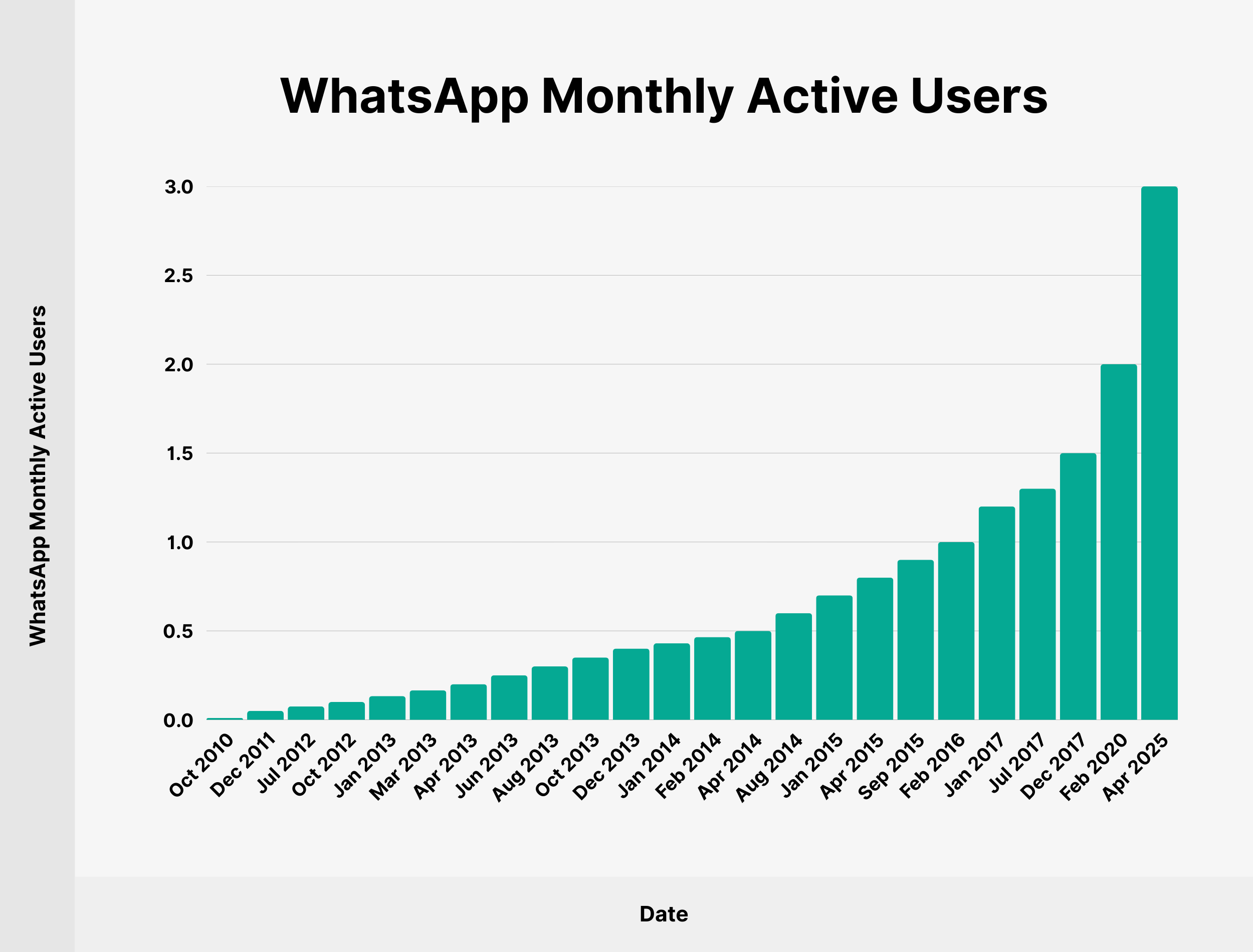
The real story behind Meta’s stablecoin strategy is distribution, because Meta owns Facebook, Instagram, and WhatsApp. WhatsApp alone has more than three billion monthly active users, according to Meta’s public earnings disclosures.
If stablecoins are built directly into consumer wallets inside apps people already use daily, and there is no complicated private key management, it could improve ease of use and dramatically expand adoption. Bloomberg recently reported that Meta has been in talks with crypto infrastructure firms about enabling stablecoin payouts for creators. This indicates a focus on practical integration rather than launching a new currency.
They do not have to compete with USDT or USDC because they can act as a gateway for these stablecoins. When you combine billions of users with regulated stablecoin rails, adoption becomes less about crypto enthusiasm and more about convenience.
Cross-Border Remittances Could Change First
One of the biggest potential impacts is in cross-border remittances, and in a recent report, the World Bank estimates that global remittance fees average around 6%. In some corridors, fees are even higher.
Stablecoins can reduce these costs significantly because blockchain settlement removes multiple intermediaries. Chainalysis data shows that stablecoin transfers are especially common in regions with currency controls or high inflation.
If WhatsApp integrates stablecoins into its messaging platform, sending money across borders could become as easy as sending a text. This would directly affect markets in Latin America, Africa, and Southeast Asia, where remittance flows are essential to household income.
Regulatory Compliance is Now Central
Unlike Libra, any new stablecoin integration effort will have to prioritize regulatory compliance. In Europe, the Markets in Crypto Assets regulation sets clear guidelines for stablecoin issuers. In the United States, lawmakers continue debating stablecoin frameworks that would require reserve transparency and licensing.
Meta cannot afford another regulatory showdown, and reports suggest the company is leaning toward working with existing regulated issuers rather than building a new asset. This reduces systemic risk and positions Meta as a distributor rather than a central bank.
Compliance also builds trust, and stablecoins must prove reserves, maintain audits, and meet anti-money laundering standards, because without that structure, mainstream adoption will stall.
Blockchain Interoperability Becomes Critical
A large-scale rollout requires strong blockchain interoperability, with stablecoins today existing across Ethereum, Solana, Tron, and multiple Layer 2 networks. Data shows liquidity is fragmented across chains.
If Meta supports stablecoins within its ecosystem, transactions may need to move seamlessly across different networks, which usually requires reliable bridging infrastructure. However, bridges have been frequent targets of exploits in recent years, with billions being lost to cross-chain vulnerabilities, according to industry tracking platforms.
Security will therefore be central to Meta’s infrastructure decisions, and a failure at this scale would damage both crypto credibility and Meta’s reputation.
Impact on DeFi Adoption and Market Structure
An overlooked consequence of Meta’s entry is its potential effect on DeFi adoption. Stablecoins are already core to decentralized lending, trading, and derivatives. If billions gain exposure to stablecoins through familiar apps, a portion will eventually explore decentralized applications.
That new funnel of users could increase liquidity in DeFi protocols and strengthen stablecoin demand even further, also intensifying competition among issuers as they seek partnerships with major distribution platforms.
At the same time, traditional financial players are moving fast; PayPal launched PYUSD. Visa and Mastercard are experimenting with stablecoin settlement, and Stripe has reintroduced crypto payment tools. Meta entering this field accelerates a broader race to control the infrastructure behind digital dollars.
What This Means for the Market
If Meta executes this plan carefully, stablecoins could move from exchange tools to everyday money as markets respond to scale and credibility. Transaction volumes could rise significantly with merchant adoption increasing and institutional confidence strengthening.
The bigger shift is psychological because when users encounter stablecoins through social apps rather than trading platforms, crypto stops feeling speculative and starts feeling practical. Meta’s earlier failure taught the industry that ambition without alignment creates resistance, but its current Meta stablecoin strategy appears more grounded in compliance, partnership, and usability.
Stablecoins already work and move billions daily. What they lack is universal integration, and if Meta provides that through compliant stablecoin integration, secure infrastructure, strong regulatory compliance, interoperable systems, accessible consumer wallets, and low-cost cross-border remittances, the next stage of digital finance may arrive quietly but powerfully.
Disclaimer: This article is intended solely for informational purposes and should not be considered trading or investment advice. Nothing herein should be construed as financial, legal, or tax advice. Trading or investing in cryptocurrencies carries a considerable risk of financial loss. Always conduct due diligence.
Enjoyed this piece? Bookmark DeFi Planet, explore related topics, and follow us on Twitter, LinkedIn, Facebook, Instagram, Threads, and CoinMarketCap Community for seamless access to high-quality industry insights.
“Take control of your crypto portfolio with MARKETS PRO, DeFi Planet’s suite of analytics tools.”






