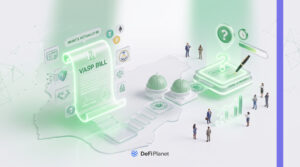























































South Korea’s government plans to introduce the long-awaited Digital Asset Framework Act in the second half of 2026, alongside measures supporting stablecoins, spot Bitcoin exchange-traded funds (ETFs), and blockchain-based financial infrastructure.

The roadmap was included in the government’s 2026 Economic Growth Strategy, released on July 14. The proposed legislation, often called the second phase of South Korea’s digital asset framework, would establish rules covering digital asset issuance, distribution, disclosures, industry oversight, and stablecoins.
Authorities also plan to prepare rules for cross-border stablecoin transactions and support amendments to the Financial Investment Services and Capital Markets Act to permit spot ETFs tied to digital assets such as Bitcoin.

Separately, the government intends to launch a pilot for tokenized government bonds linked to the Bank of Korea’s institutional central bank digital currency (CBDC) in 2027 while reviewing interoperability between CBDC infrastructure and other blockchain networks.
Stablecoins and ETFs remain on the agenda
The second-phase legislation follows the Virtual Asset User Protection Act, which came into force in 2024 and focused mainly on investor protection.
The new proposal expands beyond consumer safeguards by introducing a legal framework for digital asset businesses and stablecoin issuers. It also comes after earlier plans to complete the legislation in the first quarter of 2026 were delayed by political events, including local elections and legislative scheduling.
Several policy questions also remain unresolved, including proposals to limit stablecoin issuance to bank-led consortia and cap ownership stakes in digital asset exchanges.
Can South Korea catch up this time?
South Korea has discussed several crypto regulations for several years, but other major jurisdictions have moved faster. The European Union has already implemented MiCA, while the United States has advanced stablecoin legislation through the GENIUS Act and continues debating broader market structure rules under the CLARITY Act.
That timing gives South Korea a different challenge. Rather than writing the first comprehensive framework, policymakers can now measure their proposals against rules already operating elsewhere. Areas such as stablecoin oversight, disclosure standards, and ETF regulation no longer exist only as policy ideas, they have become real-world regulatory models.
Whether that shortens South Korea’s legislative process remains uncertain. The government’s latest economic strategy shows renewed movement, but turning policy goals into law will still depend on resolving the remaining political and regulatory disagreements.
Enjoyed this? Bookmark DeFi Planet, explore related topics, and follow us on Twitter, LinkedIn, Facebook, Instagram, Threads and CoinMarketCap Community for seamless access to high-quality industry insights.
Take control of your crypto portfolio with DEFI PLANET PRO, DeFi Planet’s suite of analytics tools.