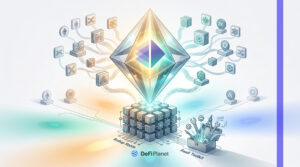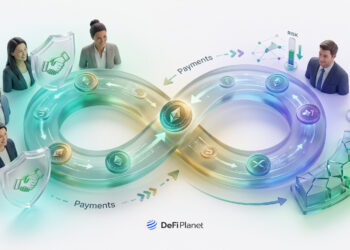
















































The regulatory landscape for real-world assets (RWAs) is evolving into a two-track system, as policymakers and institutions work to align crypto infrastructure with traditional financial markets moving onchain.

Industry participants say the shift reflects a broader transition from experimental tokenization to regulated financial activity, where compliance frameworks are becoming central to scaling adoption.
— RWA Foundation (@RWAFoundation_) May 6, 2026
RWA regulation is now structured and institutional, led by Europe’s Markets in Crypto-Assets, with the UK and Hong Kong tightening custody rules, and the U.S. Securities and Exchange Commission enforcing existing securities laws. Focus is on KYC/AML, secure custody, and compliant token standards like ERC-3643, though cross-border clarity and liquidity remain key challenges.
Two regulatory lanes take shape
The first track focuses on crypto-native infrastructure, covering exchanges, custody, stablecoins, and token issuance. These systems form the operational backbone of digital asset markets and are increasingly subject to licensing and compliance standards across jurisdictions.
The second track centers on capital markets migrating onchain. This includes tokenized equities, bonds, and other financial instruments that behave similarly to traditional securities but operate on blockchain rails.
The distinction is critical, as assets that resemble traditional financial products often fall under existing securities laws rather than crypto-specific regulation. This split is shaping how companies structure products and choose jurisdictions for deployment.
Global framework define market direction
In the European Union, MiCA has introduced a unified framework for crypto assets, standardizing rules for stablecoins, service providers, and token disclosures across member states. However, tokenized securities remain largely outside its scope.
Singapore, through Monetary Authority of Singapore, continues to emphasize strict licensing and operational controls, alongside initiatives like Project Guardian aimed at testing tokenized financial products in regulated environments.
Dubai has taken a more targeted approach with Virtual Assets Regulatory Authority, creating a dedicated regime to attract crypto firms while maintaining oversight of exchanges, brokers, and custodians.
In the United States, efforts remain fragmented, though proposals like the GENIUS Act are advancing rules specifically for payment stablecoins, addressing issuance, reserves, and supervision.
In another development, RWAs is rapidly emerging as one of the most transformative narratives in crypto, with benefits spreading across retail investors, institutions, and underserved markets.
Enjoyed this? Bookmark DeFi Planet, explore related topics, and follow us on Twitter, LinkedIn, Facebook, Instagram, Threads and CoinMarketCap Community for seamless access to high-quality industry insights.
Take control of your crypto portfolio with DEFI PLANET PRO, DeFi Planet’s suite of analytics tools.