
























































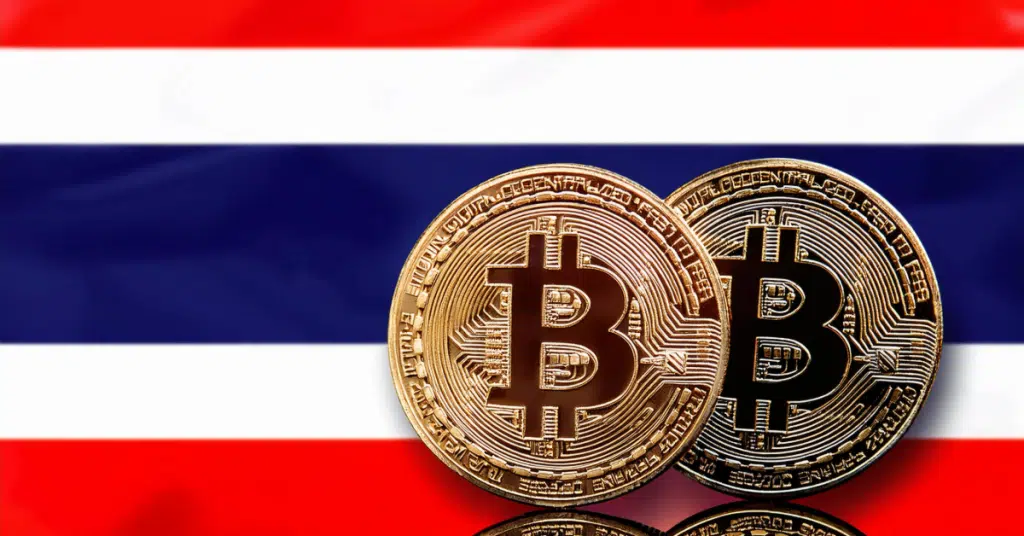
Thailand has taken a major step toward integrating cryptocurrencies into its traditional financial system after approving a proposal to allow digital assets to serve as underlying assets in the country’s derivatives and capital markets, the Bangkok Post reported.

The Cabinet on Tuesday endorsed the Finance Ministry’s plan, which will permit assets such as Bitcoin (BTC) and even carbon credits to be referenced in regulated derivatives products.
Thailand approves crypto as underlying assets in its derivatives markets — a watershed moment for digital assets. Binance Thailand’s CEO calls the move a shift from crypto being just speculative to a mainstream financial instrument.
— J Zeus △ BTC ONLY (@JZeusXYZ) February 12, 2026
To implement the change, Thailand’s Securities and Exchange Commission (SEC) will amend the Derivatives Act, formally recognizing digital assets within the scope of approved financial instruments.
Nirun Fuwattananukul, CEO of Binance Thailand, described the decision as a turning point for the country’s capital markets. According to him, acknowledging cryptocurrencies and digital tokens as legitimate underlying assets reflects a broader realization that digital assets are evolving beyond speculative tools into a transformative asset class.
He added that the reform signals Thailand’s ambition to position itself as a forward-looking digital finance hub in Southeast Asia.
Push for institutional adoption and market maturity
The regulatory update comes as Thailand seeks to attract more institutional and high-net-worth investors into its crypto ecosystem. It also aligns with the Stock Exchange of Thailand’s reported plans to introduce Bitcoin futures and crypto-linked exchange-traded products by 2026. Officials believe broadening the scope of recognized assets will enhance portfolio diversification and strengthen risk management tools available to investors.
SEC Secretary-General Pornanong Budsaratragoon said the reform will deepen market inclusiveness and further solidify crypto’s standing as a recognized asset class within Thailand’s financial system.
Retail interest is strong, but payments are still restricted
Retail trading remains active, with Bitkub, the country’s largest exchange, recording daily trading volumes of around $65 million, according to market data. However, the Bank of Thailand continues to prohibit the use of cryptocurrencies for everyday payments, and consumer use of stablecoin remains limited.
In August, the government introduced an app allowing short-term tourists to convert crypto into local currency. Yet access is tightly controlled, requiring rigorous Know Your Customer (KYC) checks and limiting spending to government-approved merchants.
Earlier this year, authorities also launched a campaign targeting so-called “grey money,” including crypto-related activities, as part of broader anti-money laundering efforts.
Enjoyed this piece? Bookmark DeFi Planet, explore related topics, and follow us on Twitter, LinkedIn, Facebook, Instagram, Threads and CoinMarketCap Community for seamless access to high-quality industry insights.
“Take control of your crypto portfolio with MARKETS PRO, DeFi Planet’s suite of analytics tools.”