











The journey toward mainstream adoption of cryptocurrencies and blockchain technology is filled with challenges. One of which is that using crypto can be really complicated for newcomers. Most platforms require a level of technical know-how that most people don’t have, and thus, it is difficult for them to interact.

Chain Abstraction has been touted as a solution to this problem. Proponents of the concept believe the effect of the implementation could be likened to how using the internet has moved from having to type full web addresses and mastering dial-up numbers to just clicking buttons and typing “x.com.”
Illia Polosukhin, co-founder of Near Protocol, explained in an interview with The Block that the goal of blockchain development should be to remove technical barriers for users. He emphasized that blockchain technology should be abstracted away from the user experience, making it as easy to use as traditional web applications.
What is Chain Abstraction?
The term “chain abstraction” describes a whole set of different solutions targeted at making a user less involved in the complex processes that make a blockchain network work.
The basic crux of the concept is to simplify user interactions with blockchain technology and make cryptocurrency accessible to everyone, not just tech-savvy users. Right now, many people are turned off by the need to handle long wallet addresses, seed phrases, and private keys. A protocol implementing “chain abstraction” would offer solutions that hide these technical details, allowing users to interact with crypto apps using simple interfaces like their email addresses or usernames.

Another issue the concept chain abstraction solves is the lack of interoperability between blockchain networks, which forces users to manage multiple wallets and platforms. Implementing the concept would mean users would be able to manage their crypto activities across different blockchains using a single account, removing the need to constantly switch between wallets or apps.
For example, Near Protocol’s Chain Signatures facilitate trading, lending, and managing NFTs across platforms without requiring separate wallets for each network. By unifying these processes, users enjoy a frictionless experience.
Case Studies: How Chain Abstraction is Being Implemented
Different projects already implement the chain abstraction concept with solutions that simplify complex multi-chain processes into seamless, user-friendly experiences. Below, we examine three specific projects and how to go about the implementation.
Case Study 1: Particle Network
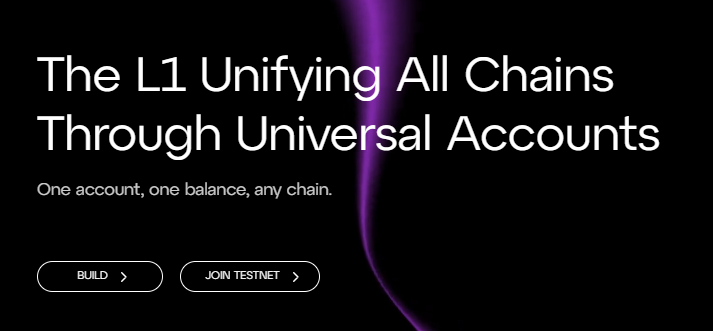
Particle Network Interface. Source: Particle Network
Particle Network implements chain abstraction by integrating innovative mechanisms that mask the complexity of interacting with multiple blockchains:
- Universal Accounts:
Instead of requiring users to manage separate wallets for different blockchains, Particle Network consolidates access into a single account. This is achieved through a Cosmos-based Layer-1 blockchain that acts as an intermediary, abstracting the wallet and authentication layers across chains. By synchronizing wallet states across networks, users experience the illusion of a single unified blockchain. - Universal Liquidity:
The network abstracts the liquidity requirements across chains by allowing users to transact without holding native tokens of the target blockchain. Particle achieves this by pooling liquidity at the protocol level, where transactions are internally routed through liquidity providers, bypassing the need for chain-specific tokens. - Universal Gas Fees:
Particle Network enables gas fee payments in any token by using a multi-token fee payment system integrated with its Cosmos-based architecture. When a user transacts, the network automatically swaps the chosen payment token for the required gas token through preconfigured smart contracts.
These implementations allow Particle Network to hide the technical intricacies of multi-chain operations, providing a seamless experience for over 17 million users.
Case Study 2: Polkadot and its Cross-Chain Ecosystem
Polkadot website Interface. Source: Polkadot
Polkadot implements chain abstraction through its unique parachain architecture and the shared security model of its relay chain:
- Relay Chain as an Abstraction Layer:
The relay chain acts as the core abstraction mechanism, allowing independent parachains to connect without requiring direct compatibility. By standardizing communication protocols, the relay chain eliminates the need for parachains to understand each other’s codebase or logic. - Cross-Chain Message Passing (XCMP):
Polkadot abstracts inter-chain communication through XCMP, a messaging protocol that allows parachains to exchange data without intermediary chains. This is enabled by a series of relay nodes that route messages securely between chains, ensuring that parachains can interact without additional complexity. - Shared Security Model:
Polkadot’s shared security abstracts the burden of managing individual chain security. Parachains don’t need to implement their own consensus mechanisms, as the relay chain ensures the overall network’s integrity. This abstraction simplifies development for projects and boosts scalability.
By employing these features, Polkadot transforms a fragmented blockchain landscape into a cohesive ecosystem, empowering over 800 full-time developers.
Case Study 3: Cosmos and the Inter-Blockchain Communication (IBC) Protocol
Cosmos website Interface. Source: Cosmos
Cosmos achieves chain abstraction primarily through the IBC protocol and its modular blockchain architecture:
- IBC Protocol:
The IBC protocol abstracts the communication layer between blockchains, enabling them to send data and assets without direct compatibility. It acts as a universal language for blockchain interoperability, translating transactions into a common format that all connected chains understand. - Hub-and-Zone Model:
Cosmos employs a modular design where blockchains (zones) communicate via the Cosmos Hub, which acts as a central abstraction layer. This setup simplifies the process of cross-chain interactions by offloading the heavy lifting to the Cosmos Hub. - Tendermint Consensus as a Foundation:
Tendermint’s modular design abstracts the consensus mechanism, allowing developers to focus on application-specific logic. This standardization ensures that all chains in the Cosmos network can easily plug into the IBC protocol.
Through these mechanisms, Cosmos achieves unparalleled flexibility in enabling diverse blockchains to work together, supporting over 26,000 developers as of 2024.
Problems of Chain Abstraction
Imagine a future where interacting with blockchain apps feels as simple as using social media. Users wouldn’t need to remember private keys, manage multiple wallets, or even worry about gas fees. Chain abstraction makes this vision achievable, but realizing it requires overcoming some critical hurdles.
1. Security Concerns
One of the primary drawbacks of chain abstraction is the potential security vulnerabilities that may arise. By abstracting the underlying complexity of blockchain interactions, there is a risk that developers may overlook essential security protocols. This could lead to exploitable weaknesses in smart contracts or dApps that rely on abstracted layers, as less experienced developers may not fully understand the implications of their code. Additionally, abstracted systems may create a single point of failure, undermining the decentralized nature of blockchain networks.
2. Decentralization Issues
Chain abstraction can also lead to centralization. By simplifying interactions with blockchains, users may become reliant on specific platforms or service providers, which could concentrate power and control. This centralization contradicts the fundamental principles of blockchain technology, which aim to distribute authority and enhance user autonomy. Striking a balance between usability and maintaining a decentralized environment is crucial for the integrity of blockchain.
3. Balancing Abstraction with User Control and Transparency
While abstraction can enhance user experience by making blockchain interactions more accessible, it also raises concerns about transparency and user control. Users may find it challenging to understand the processes behind the scenes, leading to a lack of trust in the systems they are using.
There’s also a valid concern that simplifying blockchain interactions through chain abstraction could make users less aware of security risks. When the complexities of wallet management and private keys are hidden, users might not realize the importance of safeguarding their assets.
Developers will have to ensure that abstracted layers do not compromise transparency, enabling users to retain control over their data and transactions. This can be achieved through educational resources and user-friendly interfaces that clarify the workings of the underlying technology.
4. Regulatory Clarity
As we have seen the rapid evolution of technology and by extension blockchain outpaces regulatory frameworks. In a more abstracted environment, the challenge gets complicated because the issue of who bears responsibility for is much more muddled up between code, the developer and the user.
This will give regulators more headache as they try to create adaptable and informed frameworks that address the challenges of user protection without stifling innovation.

Can Chain Abstraction Truly Help Unlock Mass Adoption of Cryptocurrencies & Blockchain Tech?
The crypto space has long struggled to bridge the gap between its technical complexity and mainstream adoption. Chain abstraction offers a compelling solution with its focus on user-centric design. The implementation of the concept makes dreaming of a future where blockchain can become as ubiquitous and intuitive as the internet today.
However, the key to its success lies in collaboration among developers, regulators, and businesses. Developers should agree on adoption standards that encourage the creation of intuitive systems, while regulators should establish guidelines that encourage adoption without stifling creativity. Businesses, on the other hand, can play a pivotal role by integrating these solutions into real-world applications, showcasing their value to the broader public.
All industry stakeholders must also prioritize interoperability. A truly abstracted system cannot exist in isolation—it requires seamless communication across blockchains. Standards like the IBC protocol in Cosmos or the XCMP in Polkadot provide a foundation for this vision, but continued advancements are necessary to achieve a fully connected ecosystem.
The journey is just beginning, but with chain abstraction leading the way, the future of blockchain looks more accessible and inclusive than ever.
Disclaimer: This article is intended solely for informational purposes and should not be considered trading or investment advice. Nothing herein should be construed as financial, legal, or tax advice. Trading or investing in cryptocurrencies carries a considerable risk of financial loss. Always conduct due diligence.
If you would like to read more market analyses like this, visit DeFi Planet and follow us on Twitter, LinkedIn, Facebook, Instagram, and CoinMarketCap Community.
Take control of your crypto portfolio with MARKETS PRO, DeFi Planet’s suite of analytics tools.