

























































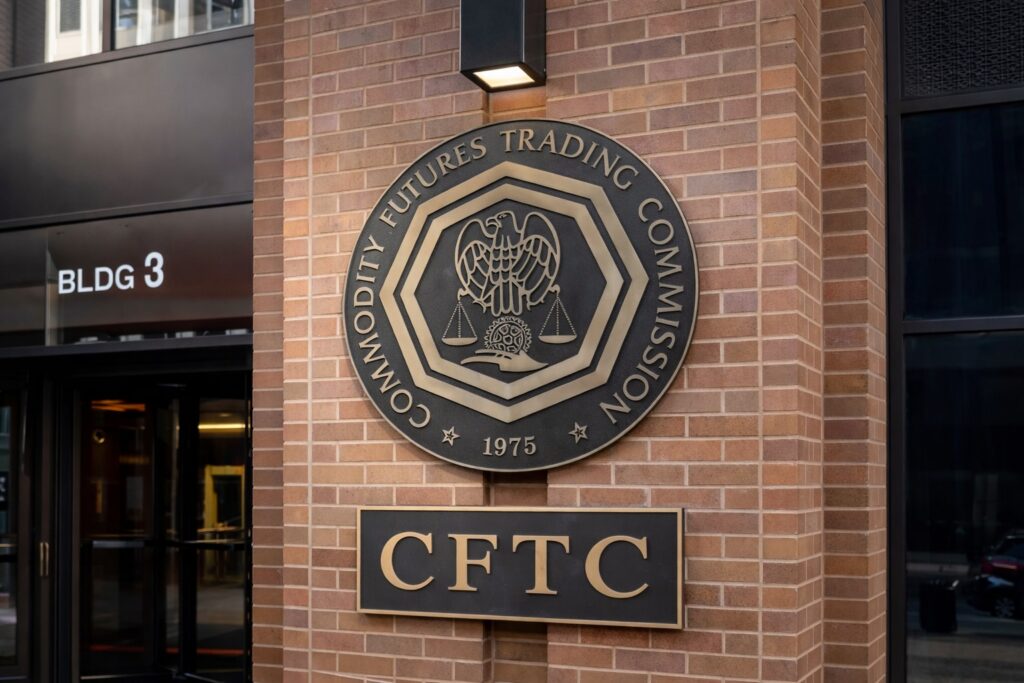
The U.S. Commodity Futures Trading Commission (CFTC) is moving to expand access to crypto derivatives, with Chairman Mike Selig showing support for new products, including security futures and perpetual contracts.

The effort comes as regulators look for closer coordination with the U.S. Securities and Exchange Commission (SEC) and as CME Group prepares a legal challenge against the agency’s recent approvals.
In the past, turf battles between the CFTC and SEC pushed novel products and innovators to the sidelines.
Those days are over. @SECPaulSAtkins and I are working together to bring security futures, security perpetuals, and other types of assets to market so that America remains… pic.twitter.com/OI5pCUBwHW
— Mike Selig (@ChairmanSelig) June 17, 2026
CFTC supports the crypto derivatives market
Speaking about the agency’s priorities, Selig said the CFTC is working with SEC Chairman Paul Atkins to bring new financial products to market, including security futures and security perpetuals. The initiative is part of a push to strengthen the United States’ position in the digital asset sector.
According to Selig, past disagreements between the CFTC and SEC often created uncertainty for companies developing new products. He said closer cooperation between the two regulators is intended to remove those barriers and provide a clearer path for innovation.
The comments align with ongoing efforts by both agencies to develop a more coordinated framework for regulating digital assets and related financial products, having signed a formal Memorandum of Understanding (MOU) to harmonise oversight of the digital asset industry.
Regulator seeks relief from certain Dodd-Frank requirements
Selig also highlighted the CFTC’s recent no-action letter covering swap post-trade risk reduction services. These services include activities such as portfolio rebalancing and reducing basis risk, which help firms manage and lower market exposure.
He argued that market participants should not face unnecessary regulatory burdens when engaging in transactions designed to reduce risk. Selig said some provisions of the Dodd-Frank Act have imposed excessive requirements on these activities. He indicated that the agency is looking for ways to provide regulatory relief where appropriate.
The move reflects a broader CFTC effort to encourage innovation while maintaining oversight of financial markets.
CME Group challenges perpetual futures approvals
The CFTC’s pro-crypto stance is drawing resistance from traditional market operators. CME Group CEO Terry Duffy confirmed that the exchange plans to file a lawsuit against the regulator over its approval of crypto perpetual futures products.
Duffy argues that perpetual futures should be regulated as swaps under the Dodd-Frank framework rather than as standard futures contracts. The challenge is expected to focus on approvals granted to platforms, including Kalshi and Coinbase.
The dispute follows a series of CFTC approvals for crypto perpetual products tied to assets such as Bitcoin, Ether, XRP, Solana and Hyperliquid’s HYPE token. Also, the U.S. CFTC pushed back against several criticisms of perpetual futures contracts, as regulators continue to shape rules for digital asset markets in the United States.
Enjoyed this? Bookmark DeFi Planet, explore related topics, and follow us on Twitter, LinkedIn, Facebook, Instagram, Threads and CoinMarketCap Community for seamless access to high-quality industry insights.
Take control of your crypto portfolio with DEFI PLANET PRO, DeFi Planet’s suite of analytics tools.