



















































Quick Breakdown

- Bitcoin mining consumes a lot of electricity because of its Proof-of-Work consensus mechanism. To make a profit, miners need access to cheap and reliable power.
- Mining operations can interact with grids and energy markets. Operations can help balance electricity demand, utilize surplus renewable energy, and monetize stranded or flared energy, benefitting both the economy and the grid.
- Mining does raise concerns about carbon emissions. However, better efficiency, more use of renewables, and flexible energy use show that it could play a role in future energy plans and market design.
Bitcoin began as a small, experimental digital currency project run by early adopters on home computers. Today, it has grown into a global network powered by massive data centers filled with specialized machines competing to validate transactions and secure the blockchain.
This process, called mining, uses huge amounts of electricity. As a result, Bitcoin is now one of the biggest industrial energy consumers, and its growth is closely linked to global energy markets.
As countries discuss energy security, grid stability, and moving to cleaner power, Bitcoin mining is coming up more often. Some governments see it as a burden on electricity systems, while others think it can help energy markets or make use of extra power.

Why Energy Is Central to Bitcoin Mining
Energy sits at the heart of Bitcoin mining because the entire system relies on electricity to secure the network and process transactions.
How Proof-of-Work converts electricity into security
Bitcoin uses a system called Proof-of-Work. In this system, miners use powerful computers to solve complex math puzzles. The first miner to solve the puzzle can add a new block of transactions to the blockchain and earn a reward.
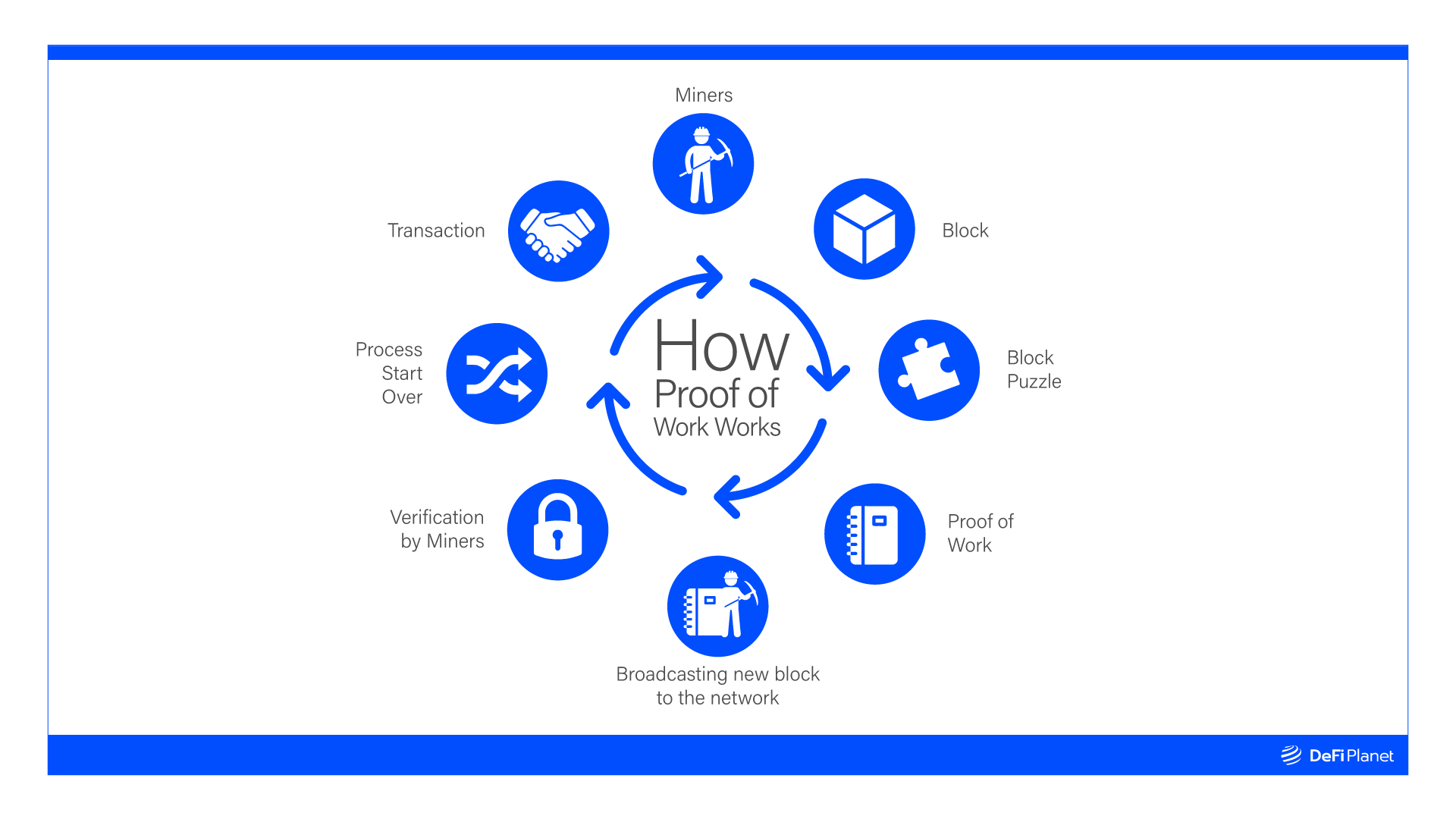
The electricity used in mining is not wasted; it acts as a security mechanism. Because solving these puzzles requires significant energy and computing power, it becomes extremely difficult and expensive for anyone to attack or manipulate the network. In simple terms, the electricity miners consume helps protect the integrity of the Bitcoin blockchain.
Cheap and reliable power determines profitability
For mining companies, electricity is the highest operating cost. Mining machines run continuously, often 24 hours a day, and large facilities can consume as much power as small towns. This means that access to cheap and stable electricity largely determines whether a mining operation is profitable.
That’s why miners look for regions where energy prices are low and the power supply is reliable. Locations with abundant hydropower, natural gas, or other inexpensive energy sources tend to attract mining operations because lower electricity costs directly improve profit margins.
Energy arbitrage as a core mining strategy
Because electricity prices vary across regions and time periods, many mining companies practice what is known as energy arbitrage. This strategy involves setting up mining operations in places where electricity is cheapest or where excess energy is available.
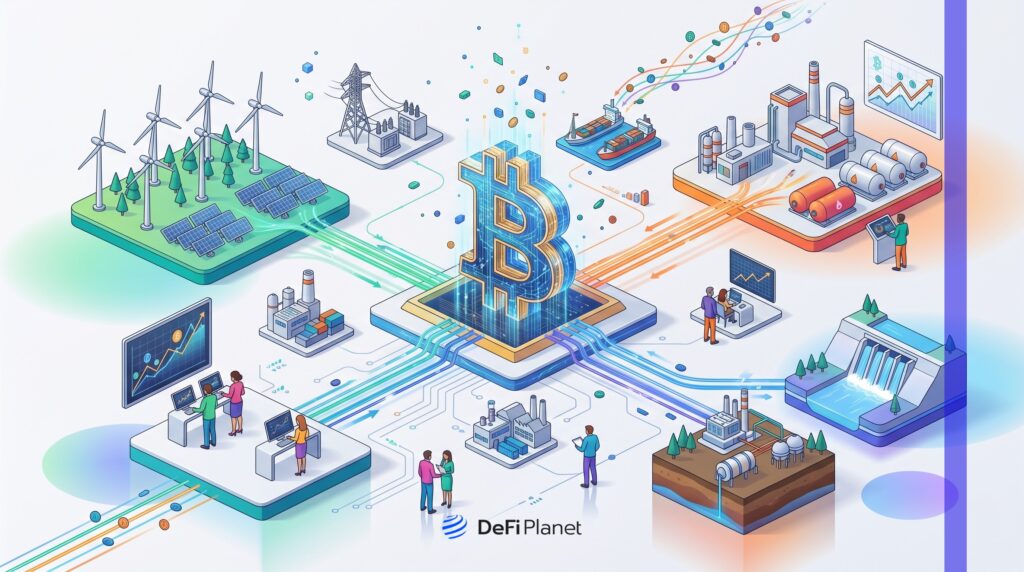
For example, miners may move into areas with surplus hydropower during rainy seasons or use stranded natural gas from oil fields that would otherwise be wasted. By turning unused or low-cost electricity into Bitcoin, miners can create economic value from energy that would otherwise go to waste. This approach has made energy markets an increasingly important factor in where and how Bitcoin mining takes place.
How Mining Interacts With Power Grids
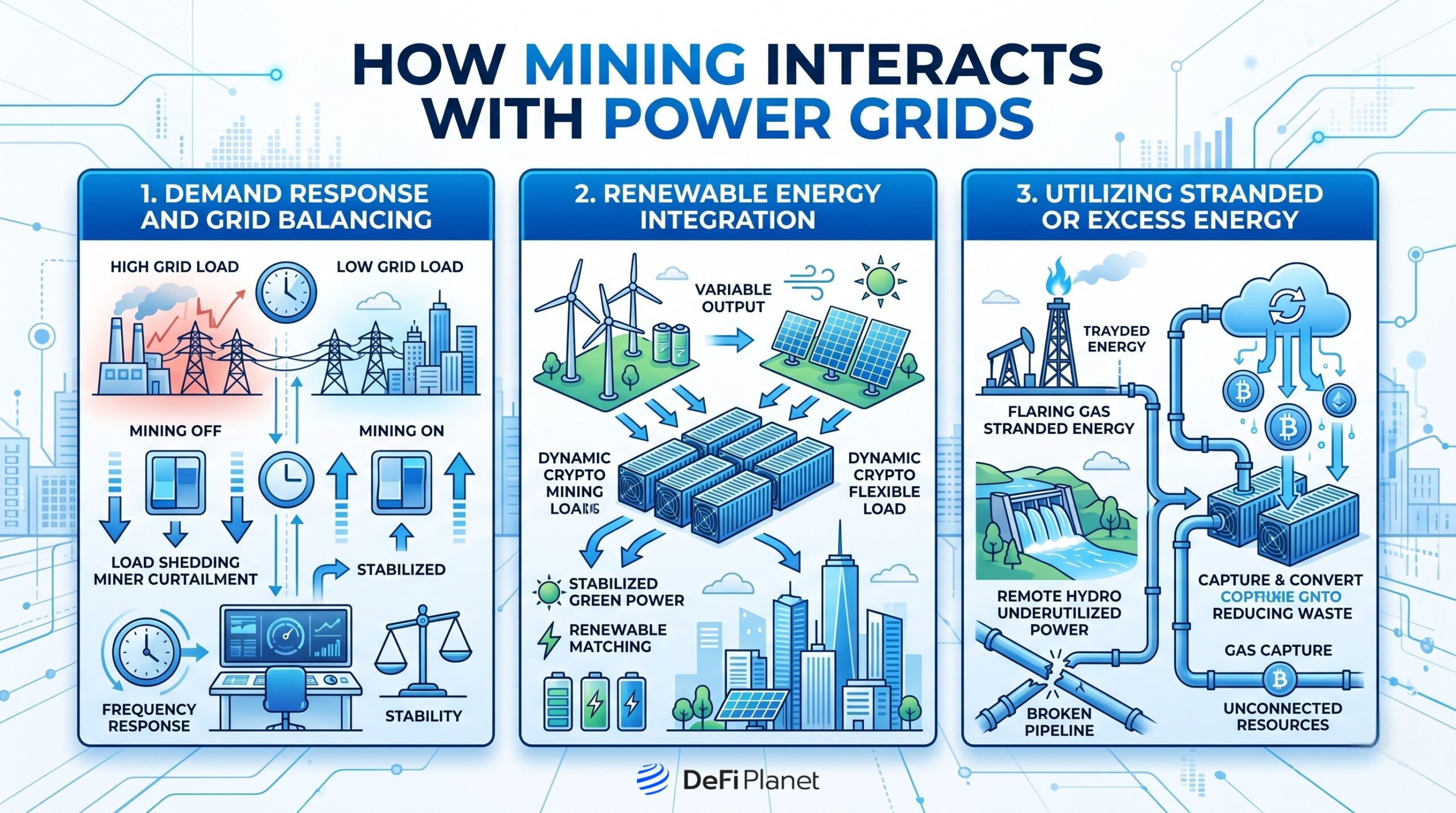
Bitcoin mining operations can interact with power systems in ways that sometimes support grid stability and improve the use of available energy resources.
Demand response and grid balancing
Some mining facilities participate in demand response programs, where they temporarily reduce or shut down operations when electricity demand on the grid becomes too high. Because mining machines can be turned on or off quickly, operators can respond faster than in many traditional industries. This flexibility allows energy providers to stabilize the grid during peak demand periods, reducing the risk of power shortages or blackouts.
Renewable energy integration
Bitcoin mining can also help absorb excess renewable energy from sources such as wind, solar, or hydropower. Renewable power production is often unpredictable; wind may blow strongly at night when demand is low, or solar farms may produce more electricity than the grid can immediately use. Crypto mining facilities can operate during these periods of surplus energy, helping utilize electricity that might otherwise be wasted.
Utilizing stranded or excess energy
Another growing trend is the use of stranded or excess energy to power mining operations. In some remote locations, energy resources like natural gas from oil fields or hydropower from isolated dams cannot easily reach major population centers due to limited infrastructure. By placing mining equipment near these energy sources, companies can convert unused electricity into Bitcoin, turning otherwise wasted energy into economic value.
READ ALSO: Is Crypto Mining Still Profitable for Individuals?
Competition for Cheap Energy
As Bitcoin mining grows, competition for cheap and reliable electricity is increasing among countries, companies, and energy producers.
National strategies
Some governments are beginning to shape energy policies to attract mining companies. By offering access to low-cost electricity, favourable regulations, or incentives for data center development, countries can position themselves as attractive destinations for mining operations.
These strategies can help governments monetize excess energy production, attract foreign investment, and create new economic activity in regions with abundant power resources.
Corporate competition
Energy companies are also entering the competition by partnering with mining firms. In some cases, oil and gas producers work with miners to use excess natural gas that would otherwise be flared.
Power producers may also sell surplus electricity directly to mining operations through long-term contracts. These partnerships allow energy companies to generate additional revenue while providing miners with stable and affordable power.
Energy geopolitics
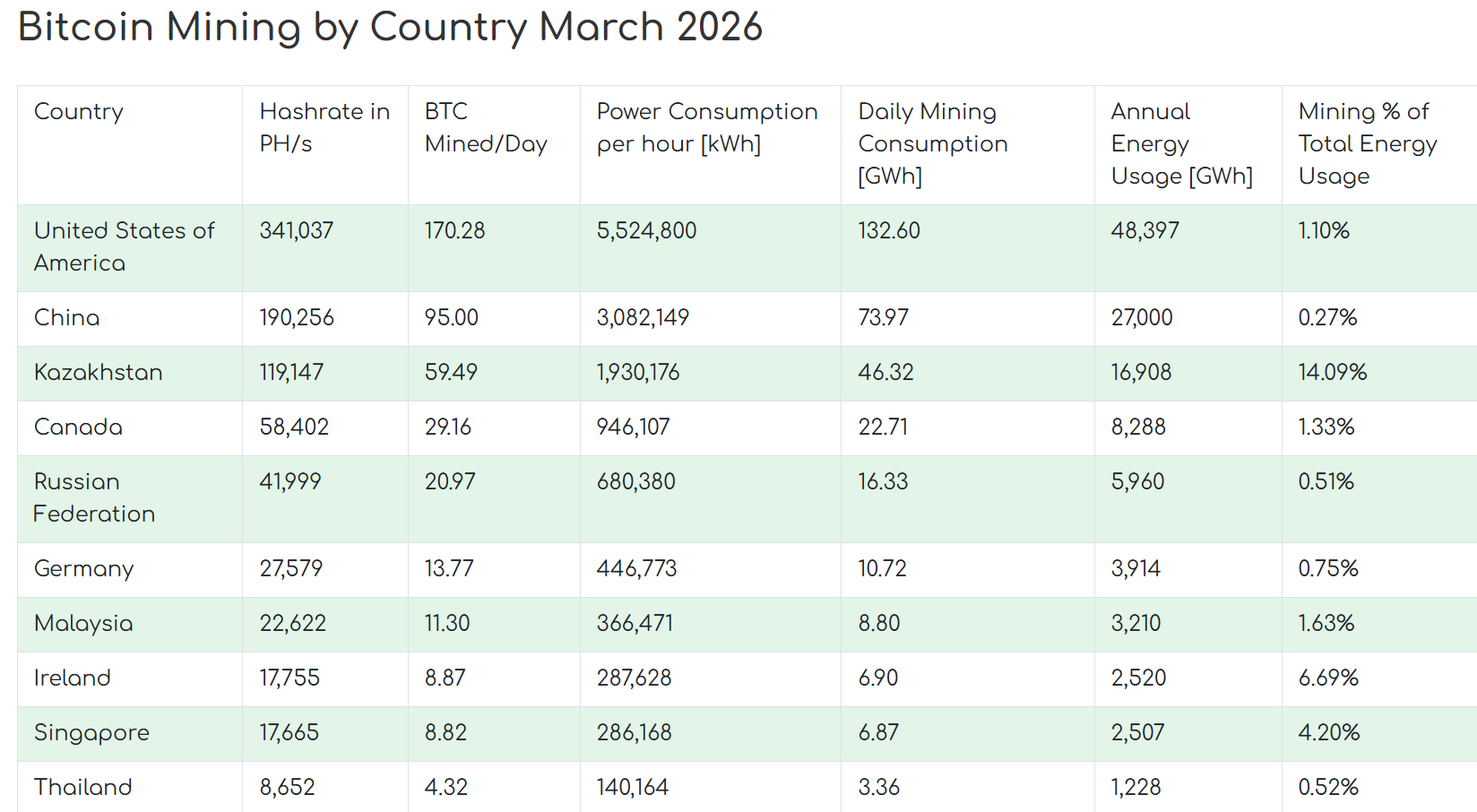
Access to cheap electricity is starting to influence where mining operations are located around the world. Regions with abundant hydropower, natural gas, or other low-cost energy sources tend to attract more mining activity.
As a result, global mining distribution can shift depending on changes in energy markets, government policies, and geopolitical developments that affect electricity availability and pricing.
Environmental Debate and Efficiency Improvements
Bitcoin’s growing energy use has sparked a global debate about its environmental impact, while supporters argue that the industry is also driving improvements in energy efficiency and innovation.
Criticism of electricity consumption and carbon footprint
One of the most common criticisms of Bitcoin mining is the large amount of electricity it consumes. Researchers argue that the network’s energy demand contributes to carbon emissions, especially when mining operations rely on fossil fuels for power.
Concerns have been raised that the expansion of mining could increase pressure on power grids and slow efforts to reduce global emissions.
Advances in mining efficiency and renewable energy
At the same time, the mining industry has been improving the efficiency of its hardware and operations. Newer mining machines perform more calculations while using less electricity compared to earlier generations of equipment.
In addition, many mining companies are increasingly seeking power from renewable sources such as wind, solar, and hydropower to reduce operating costs and environmental impact.
The debate between environmental concerns and energy innovation
This situation has created an ongoing debate about whether Bitcoin mining represents an environmental risk or a catalyst for energy innovation.
Critics focus on the electricity consumption and emissions linked to mining, while supporters argue that the industry encourages the use of surplus energy, supports renewable development, and helps monetize energy resources that would otherwise go unused.
As mining technology and energy systems continue to evolve, this debate is likely to remain central to discussions about Bitcoin’s role in the global energy environment.
RELATED: Bitcoin Mining and the Environment
Future Energy Strategies Involving Crypto
As energy markets evolve, some analysts believe Bitcoin mining could become part of broader strategies designed to improve energy efficiency and grid management.
A flexible energy buyer of last resort
One idea gaining attention is that Bitcoin miners could act as a buyer of last resort for electricity. Power plants sometimes produce more electricity than the grid can use, especially during periods of low demand.
Mining operations can step in during these moments and consume the extra power. Because mining machines can quickly turn on or off, they provide a flexible way to absorb surplus electricity without disrupting the grid.
Integration with renewable infrastructure
Renewable energy sources like wind and solar often produce power inconsistently, depending on weather conditions. Mining facilities can help balance this variability by using electricity when renewable output is high and reducing operations when energy demand rises elsewhere.
This type of integration could make renewable energy projects more economically viable by ensuring that excess electricity still generates revenue.
A possible role in future energy markets
Looking ahead, some energy experts believe Bitcoin mining could play a role in how future electricity markets are designed. Mining operations could serve as flexible energy consumers that help stabilize supply and demand, especially in regions with growing renewable capacity.
While this idea is still evolving, it highlights how the relationship between digital assets and energy systems may continue to develop as both industries grow.
Is Bitcoin Truly an Energy Power Player?
Supporters of Bitcoin argue that mining is becoming a meaningful player in energy markets. Because mining operations can quickly increase or reduce their electricity use, they can act as a flexible demand that helps stabilize power grids and absorb surplus energy.
In regions with excess electricity, such as remote hydropower sites or oil fields with flared gas, miners can turn unused energy into economic value. From this perspective, Bitcoin mining does not just consume electricity; it can help energy producers monetize resources that would otherwise be wasted.
However, Bitcoin’s influence on global energy systems is still limited. Compared to large industrial sectors like manufacturing, transportation, or residential electricity use, mining remains a relatively small share of total energy demand. Its role in stabilizing grids or supporting renewable energy is often overstated.
The real significance may lie in how Bitcoin forces policymakers to think differently about energy markets, especially the idea that flexible digital industries could become part of future energy infrastructure and economic planning.
Bitcoin’s Place in Energy Geopolitics
Bitcoin mining is now more than just a technical process for securing a digital network. It is becoming part of bigger talks about energy strategy and global competition for power. Whether it stays a small energy user or becomes a strategic tool will depend on the choices of governments, energy companies, and miners in the years ahead.
What is clear is that the connection between energy markets and crypto is likely to grow stronger. As countries search for ways to manage surplus electricity, stabilize power grids, and monetize unused resources, Bitcoin mining may increasingly appear in energy policy debates, raising the question of whether it will simply consume power or play a larger role in the global energy environment.
Disclaimer: This article is intended solely for informational purposes and should not be considered trading or investment advice. Nothing herein should be construed as financial, legal, or tax advice. Trading or investing in cryptocurrencies carries a considerable risk of financial loss. Always conduct due diligence.
Enjoyed this piece? Bookmark DeFi Planet, explore related topics, and follow us on Twitter, LinkedIn, Facebook, Instagram, Threads, and CoinMarketCap Community for seamless access to high-quality industry insights.
Take control of your crypto portfolio with DEFI PLANET PRO, DeFi Planet’s suite of analytics tools.”