




















































Last updated on March 6th, 2026 at 02:32 pm

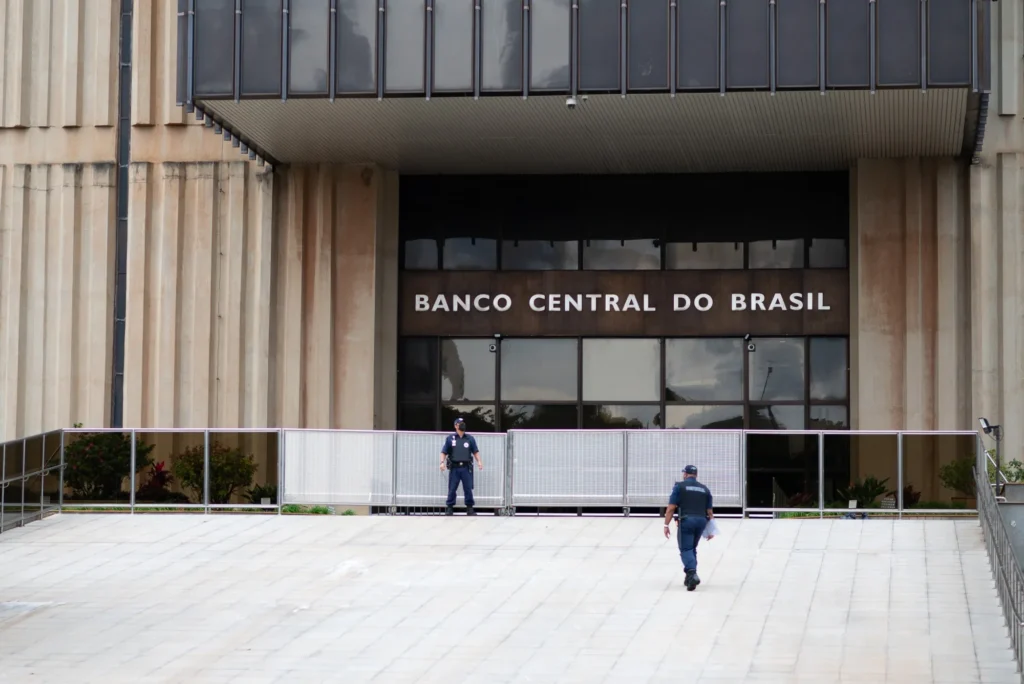
The Central Bank of Brazil (BCB) has announced a phased regulatory roadmap that will bring institutional virtual asset service providers (VASPs) under formal supervision by 2027. This initiative, revealed by Antônio Marcos Guimarães, deputy head of the bank’s Regulation Department, specifically targets entities providing crypto infrastructure and Business-to-Business (B2B) services, such as Ripple and Fireblocks.
The move aims to provide legal clarity for a sector that has historically operated on decentralized private networks without traditional brokerage structures, filling a critical gap in the nation’s digital asset framework.
Brazil’s push for institutional oversight follows the implementation of Resolutions 519, 520, and 521, which established the foundational licensing regime for retail-focused exchanges and custodians.
Tightening the grip on stablecoin flows
In tandem with the institutional roadmap, Brazilian authorities are moving to curb the use of stablecoins as “dollar proxies” for unregulated remittances. The national revenue service has proposed a 3.5% tax on stablecoin flows to address concerns over capital flight and tax evasion.
This fiscal measure complements the central bank’s recent integration of stablecoin transactions into the official foreign exchange (FX) framework, requiring providers to report international transfers and identify self-custody wallet holders.
Building on a robust digital asset foundation
The 2027 institutional target marks the final stage of a multi-year effort to modernize the National Financial System (SFN). Brazil remains the largest cryptocurrency market in Latin America, recording over $318.8 billion in value during 2024.
The central bank’s proactive stance mirrors its successful launch of the Pix payment system and the ongoing development of its central bank digital currency (CBDC), Drex, which also leverages blockchain technology for interbank settlements.
Meanwhile, KuCoin has significantly boosted its global payment capabilities by integrating KuCoin Pay with Pix, Brazil’s leading instant payment network. This strategic expansion into Brazil aims to capitalize on one of the world’s fastest-growing crypto markets and provide Brazilians with new, practical ways to use digital assets for their daily transactions.
According to Raymond Ngai, Lead of KuCoin Pay, this integration establishes “a new economic layer for Brazil’s digitally savvy population.” He emphasized that this development aligns with the company’s core mission to make cryptocurrency a functional part of everyday life.
Enjoyed this piece? Bookmark DeFi Planet, explore related topics, and follow us on Twitter, LinkedIn, Facebook, Instagram, Threads and CoinMarketCap Community for seamless access to high-quality industry insights.
“Take control of your crypto portfolio with MARKETS PRO, DeFi Planet’s suite of analytics tools.”