












The crypto market is a volatile monster, and its movement is not predictable enough such that it makes even the most experienced investors feel like jumping off their seats. One moment, the price of Bitcoin or Ethereum reaches the skies, and the next moment, it falls into an ocean of red. Yet, amid this chaos, there exists a trend; a mental phenomenon that continues to lure investors to the market every single time. It’s called the ‘Hopeium’ effect; a potent force that makes people buy the dip even when the odds are stacked against them.

We have heard the saying: “buy the dip.” It is now kind of a mantra among crypto enthusiasts, a rallying cry in times of market declines. But why then do we as human beings hold on to the hope that a plummeting market will soon pick up? What is it about the dip that makes us do what is against our better judgment and pull through our fears and invest more in something that is losing value? This behaviour is not easily explained without plunging into the concept of investor psychology, optimism bias, and the complicated reinforcement loop that does not allow us to quit the game.
The Promise of Recovery: What’s Behind “Buy the Dip”?
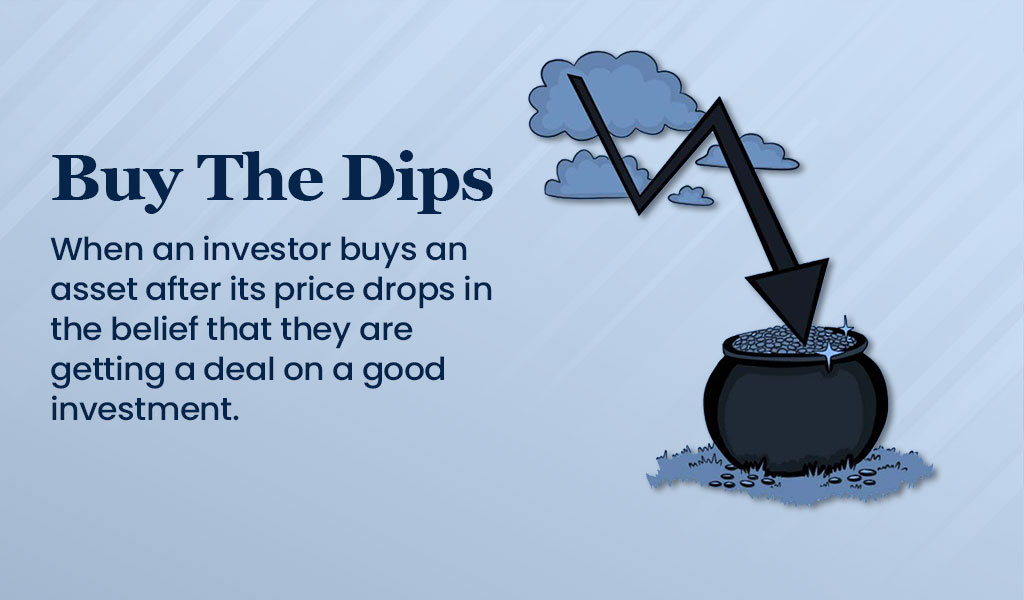
Buying the dip is a very attractive concept; a promise of purchasing assets at a lower value with an anticipation of them increasing once more. It is the golden opportunity for most people to be on the ground floor before the next big bull run. The emotional appeal of such a strategy is hard to deny. When prices are falling, investors are getting a chance to buy low and sell high, which is the main principle of successful trading. But then, it’s not all about logic. There’s more to it.
This behaviour is based on optimism bias, which is a tendency to believe that things will always turn out right, particularly when we have a personal interest in the result. Optimism bias is a natural part of human psychology; it gives us the courage to take risks, make investments, and, in some instances, in the case of the dip, overlook the signs of an impending tragedy.
We feel convinced that the market will recover, that this downturn is just a temporary setback, and oftentimes, because we want to believe in a positive outcome, we often ignore the warning signs and convince ourselves that the dip is just a chance to get in before the next rally.
The role of hopeium, which is a term used to describe the intoxicating blend of hope and optimism that many crypto traders experience, cannot be overstated. Hopeium, like any drug, is highly addictive. It fills the investor with a sense of urgency and the belief that recovery is just around the corner. The hope that the market will turn around becomes a comforting thought that drowns out any voices of doubt.
The Psychological Reinforcement Loop

In the midst of the “buy the dip” mentality is the reinforcement loop, a psychological cycle that reinforces a person’s actions and decisions. When an investor buys during a market downturn, and the market recovers, even slightly, their faith in this strategy is validated. It creates a powerful feedback loop: the more they buy the dip and see a recovery, the more they believe in their strategy and the more they act on it.
However, this loop can be dangerous. It gives the investor an illusion of security that the investor will start thinking that, regardless of the extent to which the market falls, there is always a way out. This assumption is comfortable and may cloud their judgment, and when the market does not rebound the way the investor had imagined, the positive feedback mechanism may turn against them, causing them to make even more impulsive choices based on hopeium and a fear of missing out (FOMO).
RELATED: FOMO vs FUD: Behavioural Patterns Driving Crypto Volatility
As the market continues to fluctuate, the investor’s behaviour often becomes more erratic. They chase the dip, hoping they will one day hit gold. But as anyone who has traded in volatile markets knows, the dip doesn’t always turn into a rally, and when the market continues to fall, the investor is left holding a large position in an asset that is now worth far less than what they invested in the first place.
The Dangers of Emotional Investing

The “buy the dip” mentality can be dangerous when driven by emotions rather than logic. Emotional investing is one of the leading causes of poor decision-making in crypto markets, and investors who are emotionally attached to their assets often make rash decisions based on fear or hope, rather than rational analysis of market trends and fundamentals.
For example, when an investor sees their portfolio crashing, the urge to do something promptly, and purchase additional investments at a lower cost with the hope that it will rebound is increased. This behaviour is usually fueled by hopeium, which clouds the judgement of the investor, and may result in massive losses in case the market does not turn around. This emotional rollercoaster is not unique to crypto markets. It happens in traditional markets too, but the volatility of the crypto space only amplifies these effects.
In November 2021, Bitcoin experienced a weekly price decline of approximately 9%, dropping below the $60,000 mark. Despite this downturn, social media platforms saw a significant surge in “buy the dip” mentions, reaching their highest levels since a previous market drop in September of the same year. This is an example of retail investors being influenced by the optimism bias and expectation of a rapid market recovery, making them decide to invest in the market despite its negative performance. However, historical data indicated that such spikes in “buy the dip” sentiment often preceded further declines before any substantial recovery occurred.
Confirmation bias is another trap of emotional investing. When we have hope in a given asset or market, we are likely to seek out information that supports our beliefs and disregard information that refutes them. Such bias increases our emotional attachment to our investments, which makes the process of making objective decisions more difficult. Confirmation bias may result in a doubling of position by an investor in the case of buying the dip where the fundamentals are no longer robust.
Hopeium vs. Reality
While the allure of hopeium can be powerful, it’s important to recognize that reality doesn’t always align with our wishes. The market doesn’t always recover, and it certainly doesn’t recover on our timeline. This is where optimism bias can become dangerous. When an investor buys the dip expecting a recovery, they’re operating under the assumption that the market will behave in a predictable and linear fashion. Unfortunately, the crypto market doesn’t adhere to these assumptions.
In the face of market downturns, many investors continue to inject capital into failing assets, believing that the situation will improve. This is when hope becomes a trap and investors continue to throw money at an asset that may never recover, all the while ignoring the possibility of greater loss. The reality is that crypto markets, like any other financial market, are subject to numerous variables. No matter how confident we are in a recovery, the future is never certain.
A Better Approach: Managing Investor Psychology
While it’s difficult to escape the psychological pull of hopeium, there are ways to manage these emotions and make more rational decisions in the crypto market. Accepting the fact that emotional investing is one of the primary steps in our decision-making process is one of the first things to do. With the knowledge of the psychological patterns at work, investors will be able to make more informed investment decisions.
It is important to set realistic expectations since, rather than buying the dip, hoping that the asset is going to recover immediately, investors need to examine the underlying nature of the asset under discussion and estimate whether the fall is a natural correction or the onset of a more prolonged downward trend. It entails an unbending attitude to research and reluctance to be swayed by the excitement and all the panic that so much of the time have been in the market.
Another important strategy is risk management; rather than investing all available capital into a single asset during a downturn, investors should spread their risk across multiple assets and diversify their portfolios. This helps mitigate the impact of a market crash and reduces the emotional pressure to “buy the dip” every time the market drops.
Finally, mental resilience is key; the crypto market can be brutal, and investors need to be able to withstand the emotional highs and lows that come with it. By practising patience, staying informed, and avoiding impulsive decisions, investors can ride out market fluctuations without falling victim to the emotional traps that often lead to poor outcomes.
Conclusion: The Power of Hopeium in Crypto Markets
Buy the dip is a phenomenon that dictates how things play out in the crypto market. It is motivated by hopeium and optimism bias combined with a natural inclination to earn a profit. Nevertheless, as much as this kind of behaviour may result in temporary profits, it also has high risks. By understanding the psychological powers at play: FOMO, hopeium, emotional investing, investors are better placed to make better decisions and mitigate the traps of making impulsive buying decisions.
Ultimately, the crypto market is a reminder of the importance of self-awareness in investing. The ability to manage our emotions and separate hope from reality can make a successful investor really savvy.
Disclaimer: This article is intended solely for informational purposes and should not be considered trading or investment advice. Nothing herein should be construed as financial, legal, or tax advice. Trading or investing in cryptocurrencies carries a considerable risk of financial loss. Always conduct due diligence.
If you want to read more market analyses like this one, visit DeFi Planet and follow us on Twitter, LinkedIn, Facebook, Instagram, and CoinMarketCap Community.
Take control of your crypto portfolio with MARKETS PRO, DeFi Planet’s suite of analytics tools.”






