























































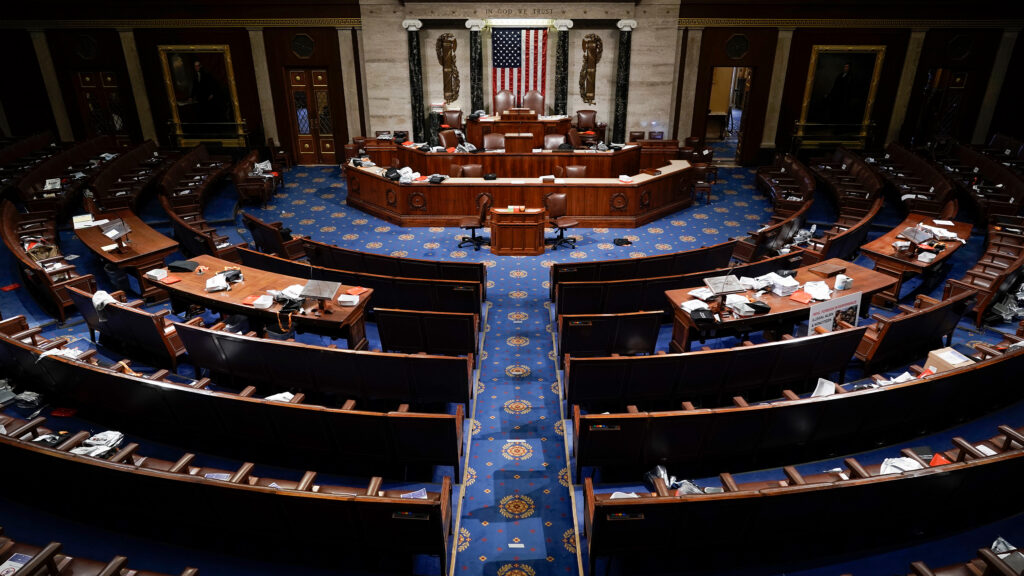
The U.S. Senate has approved legislation that would prevent the Federal Reserve from creating or issuing a central bank digital currency (CBDC) until at least 2030, delivering a significant victory for the cryptocurrency industry and lawmakers opposed to government-backed digital money.

Senators voted 85-5 on Monday to pass the 21st Century Road to Housing Act, a broad housing package designed to address housing shortages across the United States. Included in the bill is a provision that blocks the Fed from issuing, directly or indirectly, a CBDC or any digital asset considered substantially similar to one.

The legislation now heads to the House of Representatives, where it is expected to receive swift approval following a bipartisan agreement reached by congressional leaders last week. If passed by the House, the bill will be sent to the president for final approval.
Why does the bill ban a CBDC?
The CBDC restriction has been part of the Senate version of the housing bill since March. Under the proposal, the Federal Reserve would be prohibited from launching a digital dollar without clear authorization from Congress.
Supporters of the measure argue that a CBDC could give the government excessive control over financial transactions and threaten personal privacy. Opposition to a digital dollar has become a major issue among many Republican lawmakers and crypto industry advocates, who favour decentralized digital assets and privately issued stablecoins.
The CBDC provision was included in the housing package as part of broader negotiations to secure support from House Republicans and the administration for the legislation.
What does the bill allow?
While the proposal blocks a government-issued digital dollar, it specifically exempts stablecoins from the ban.
The legislation states that dollar-backed digital currencies that are open, permissionless and private would not be affected. It also establishes that even after the ban expires in 2030, the Federal Reserve would still need explicit congressional approval before moving forward with any CBDC initiative.
Other countries continue CBDC development
The U.S. move comes as several countries continue to expand their CBDC efforts.
China recently added 26 financial institutions to its digital yuan cross-border payment network, further advancing the use of its e-CNY project. Sign introduced a blockchain-based CBDC infrastructure, positioning it as a bridge between traditional finance and the broader crypto ecosystem.
According to data from the Atlantic Council, three countries have already launched CBDCs, while dozens more are conducting pilot programs, developing systems, or researching the technology.
Enjoyed this? Bookmark DeFi Planet, explore related topics, and follow us on Twitter, LinkedIn, Facebook, Instagram, Threads and CoinMarketCap Community for seamless access to high-quality industry insights
Take control of your crypto portfolio with DEFI PLANET PRO, DeFi Planet’s suite of analytics.