

















































Quick Breakdown

- Approving crypto ETFs is slow and complex due to concerns over investor protection, custody, volatility, and cross-border regulations.
- New “generic listing standards” would streamline approvals, set clear compliance rules, reduce costs, and boost both retail and institutional access to crypto ETFs.
- While the standards could expand adoption and market confidence, risks remain around overgeneralization, investor complacency, and oversight of complex products.
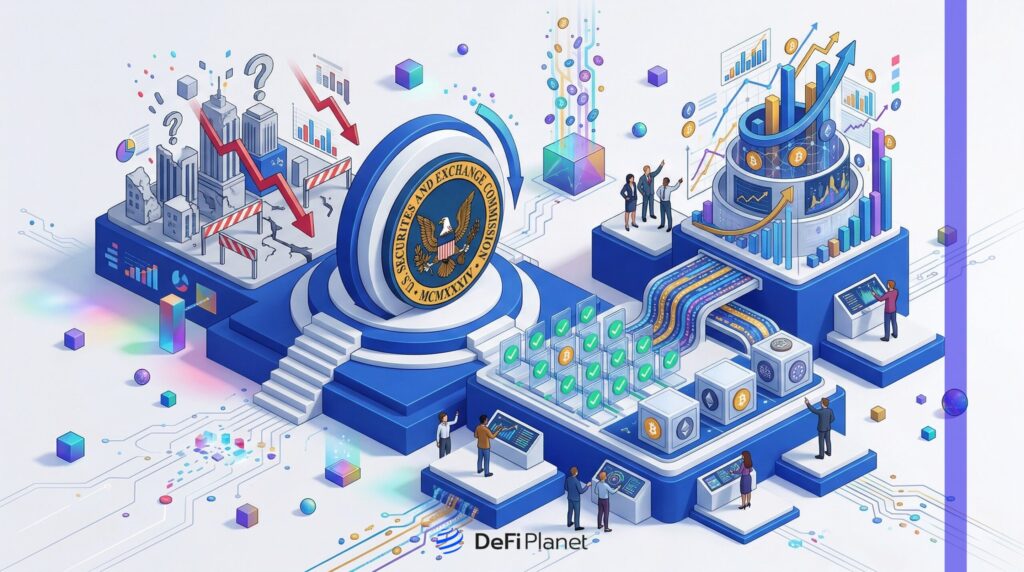
The U.S. Securities and Exchange Commission (SEC) is proposing new “generic listing standards” that could change how crypto investment products are approved and traded. These standards aim to make the listing process clearer and more consistent, helping both issuers and investors navigate the regulatory landscape with less uncertainty.
If the SEC’s listing standards are adopted, this proposal could be a turning point for the crypto investment market. It may allow a wider range of digital asset products to reach exchanges while maintaining strong oversight, balancing innovation with investor protection.
Today’s Problem
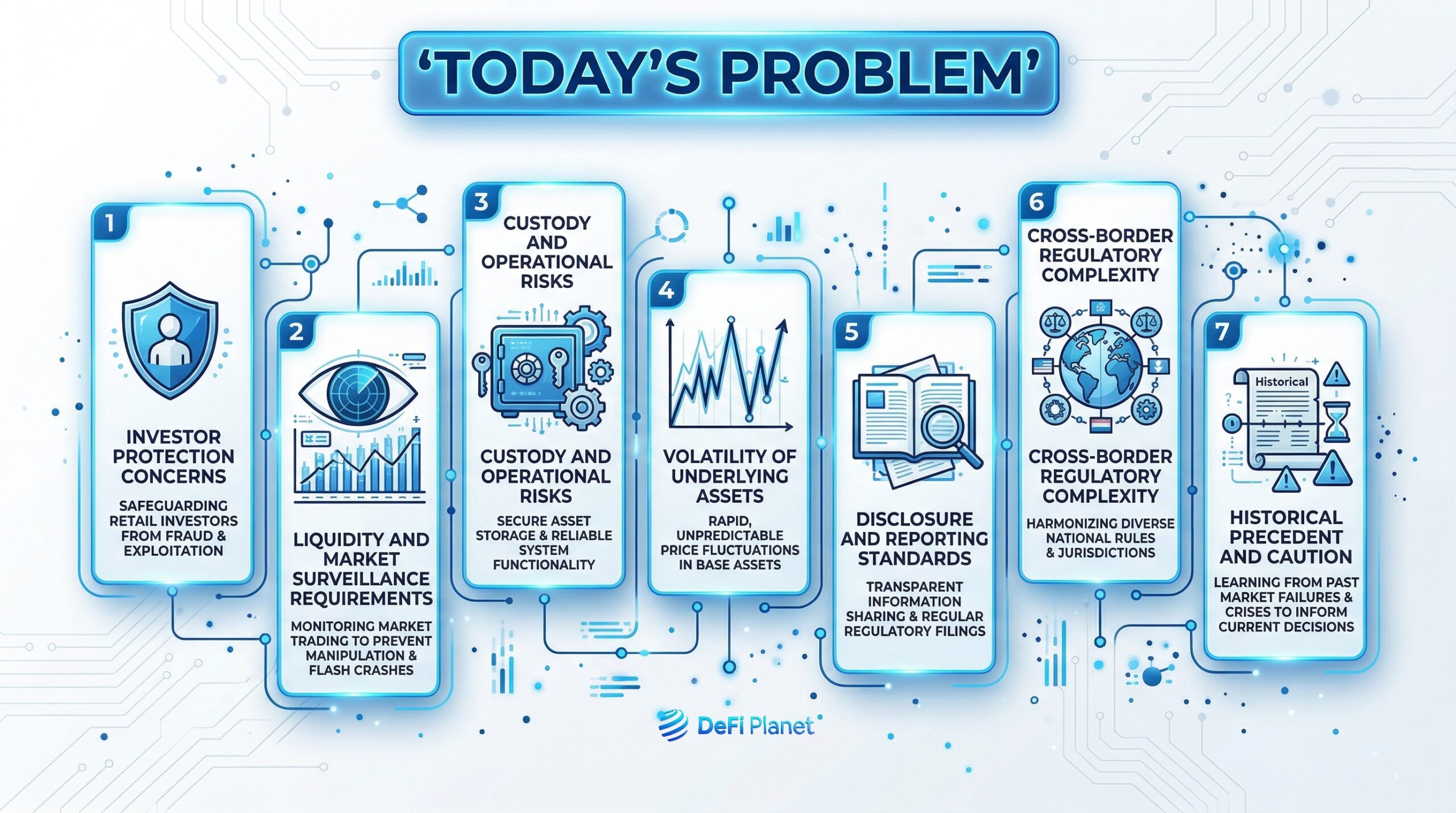
Approving crypto ETFs and other digital asset products is more complex than traditional securities due to unique market challenges and regulatory requirements. Here’s why approvals take time and where the main bottlenecks lie:
Investor protection concerns
The SEC prioritizes protecting investors from fraud, market manipulation, and extreme volatility. Cryptocurrencies are prone to sudden price swings, scams, and unregulated exchanges. The SEC carefully examines product structures, fund management, and underlying assets to ensure investors aren’t exposed to unnecessary risks.
Liquidity and market surveillance requirements
Exchanges must prove they have enough trading volume to handle ETF activity without causing distortions. They also need strong surveillance tools to detect suspicious activity. Without these, regulators worry that market manipulation could harm both retail and institutional investors.
Custody and operational risks
Safe storage of crypto assets is a critical concern. ETFs must demonstrate secure custody, insurance against hacks, and operational procedures for handling deposits and withdrawals. Failures in custody could lead to significant losses, so the SEC evaluates these controls rigorously.
Volatility of underlying assets
Cryptocurrencies often experience rapid and large price movements. Regulators assess how these swings might affect ETF pricing, investor portfolios, and broader market stability. High volatility increases the risk of investor losses, making approval a slower and more cautious process.
Disclosure and reporting standards
Issuers must provide transparent and detailed disclosures about fees, operations, and risks. The SEC reviews these documents to ensure investors understand what they’re buying. Producing clear reports often involves months of preparation, contributing to approval delays.
Cross-border regulatory complexity
Some crypto ETFs include assets traded on foreign exchanges. Aligning U.S. regulations with international rules adds extra layers of review, as regulators must ensure compliance across multiple jurisdictions to avoid legal or operational conflicts.
Historical precedent and caution
The SEC has denied or delayed crypto ETF applications in the past. Each decision sets a precedent that informs future applications. Regulators take time to analyze lessons learned to avoid repeating mistakes, which adds to the overall timeline.
The Promise
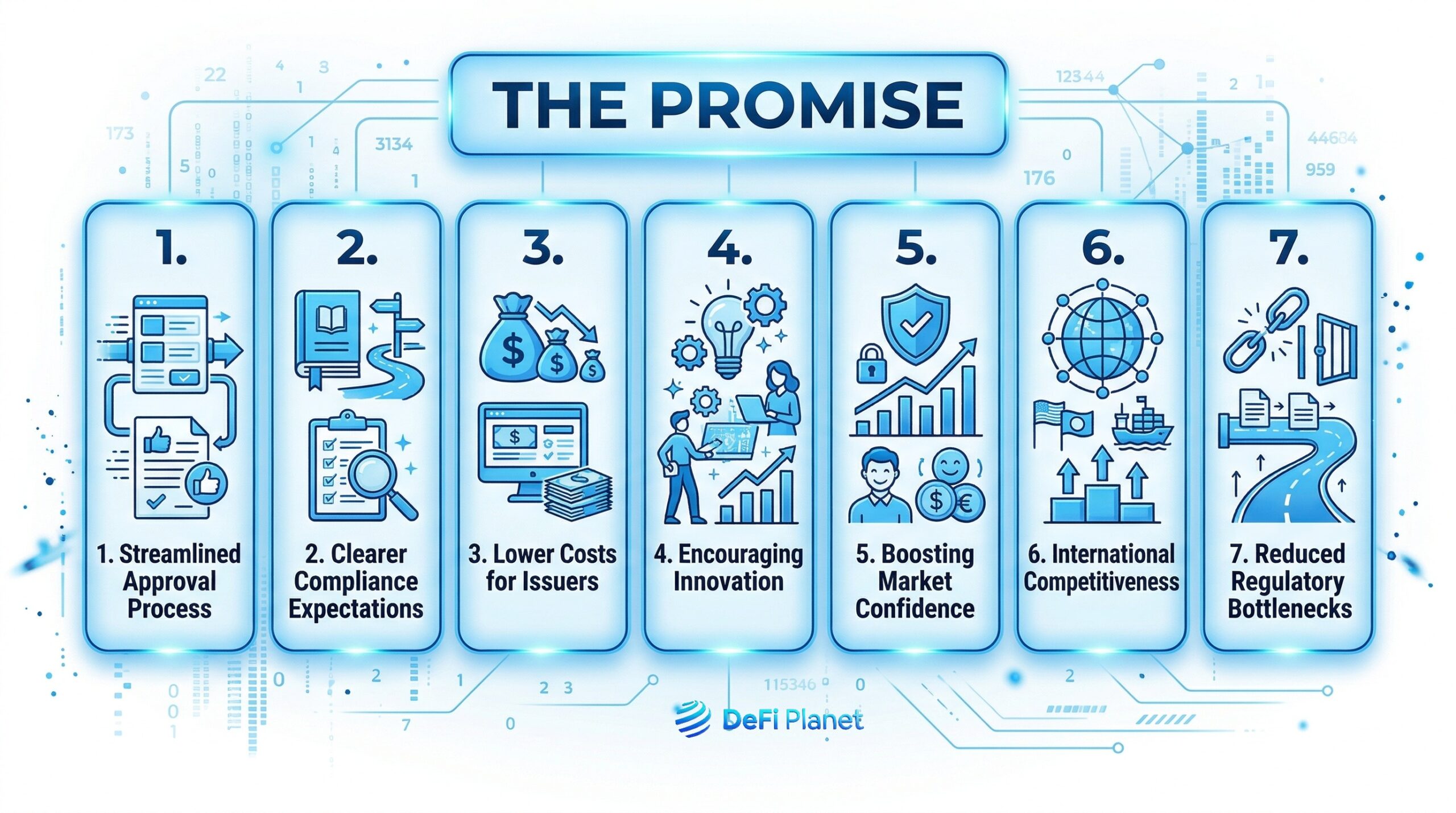
The SEC’s proposed generic listing standards aim to make crypto investment products easier and faster to approve. Instead of reviewing each ETF application individually and from scratch, regulators could apply a clear framework for products that meet predefined criteria. This shift could reduce uncertainty, save time for both issuers and the SEC, and encourage more product launches.
Streamlined approval process
Under generic standards, ETFs that satisfy baseline requirements could bypass months of individual reviews. Instead of multiple rounds of SEC feedback and revisions, products could be listed in weeks, allowing investors to access new crypto funds faster and issuers to bring offerings to market with predictable timelines.
Clearer compliance expectations
Fund managers gain a concrete roadmap for regulatory compliance. Requirements around disclosure, custody, audit practices, and investor protections would be standardized, minimizing confusion and reducing the chance of an application being rejected due to technicalities or misinterpretation of SEC rules.
Lower costs for issuers
A predictable framework reduces the need for extensive legal and compliance resources. By avoiding repeated back-and-forth reviews, fund managers spend less on lawyers, auditors, and operational adjustments, which can make launching crypto ETFs financially feasible for smaller or newer firms.
Encouraging innovation
Faster and more predictable approvals free up resources and time for issuers to explore creative ETF structures, such as funds focused on Layer 2 Ethereum protocols, DeFi indexes, or stablecoin-backed products. This could accelerate the development of investment products that meet evolving investor demand.
Boosting market confidence
Investors benefit from a transparent and consistent regulatory standard. Knowing that ETFs meet a predefined set of SEC requirements increases trust, facilitates better risk assessment, and encourages wider adoption of crypto investment products.
International competitiveness
Other countries, such as Canada and parts of Europe, have faster crypto ETF approval processes. By implementing generic standards, the U.S. can remain competitive and attract both international issuers and global investors seeking regulated U.S. crypto products.
Reduced regulatory bottlenecks
Routine approvals could be handled through the standard framework, allowing the SEC to devote more resources to complex or high-risk crypto products. This improves overall regulatory efficiency without compromising investor protection, ensuring that novel or risky ETFs still undergo thorough scrutiny.
Impacts on institutional and retail investors
The SEC’s listing standards for crypto ETFs could reshape access and strategy for both institutional and retail investors. By streamlining approval processes and setting clear compliance rules, these standards make crypto investment products more predictable and widely available.
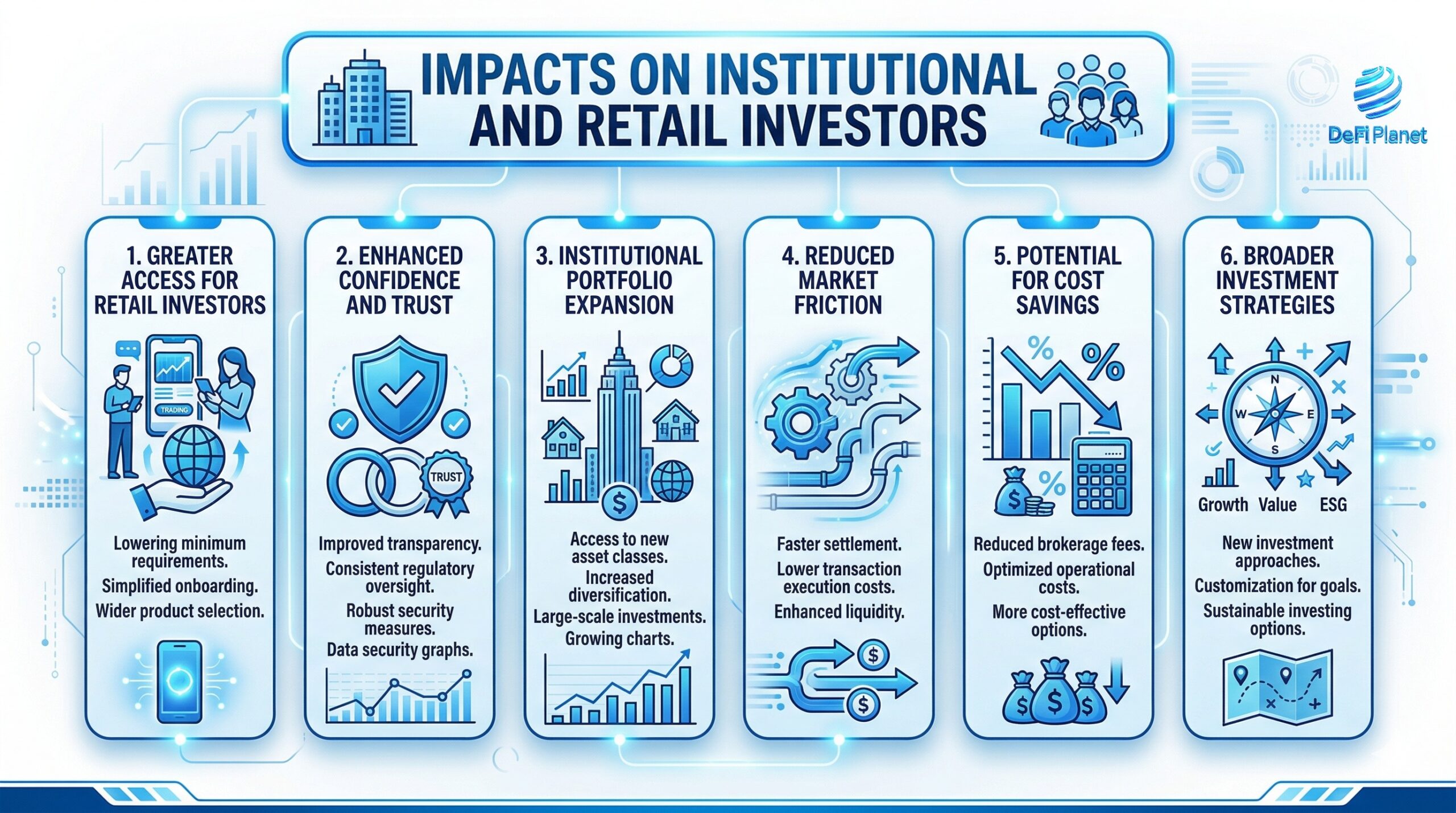
Greater access for retail investors
With simplified listing procedures, a wider array of crypto ETFs could hit major U.S. exchanges. Retail investors gain the ability to invest in diversified crypto products without navigating complex crypto exchange accounts or custody solutions.
This expanded access also allows investors to gain exposure to different assets like Bitcoin, Ethereum, DeFi indices, or multi-asset crypto ETFs, broadening portfolio diversification opportunities.
Enhanced confidence and trust
Clear regulatory standards provide assurance that ETFs meet baseline safety, reporting, and custody requirements. Retail investors often hesitate to enter crypto due to perceived risks; regulated products give them a trusted, transparent channel for participation. Over time, this may encourage more consistent, long-term investment rather than short-term speculation.
Institutional portfolio expansion
Institutions often face strict internal risk controls and regulatory scrutiny, limiting their ability to hold unregulated crypto assets. Generic listing standards ensure more products meet compliance requirements, allowing asset managers, hedge funds, and pension funds to add crypto ETFs to their portfolios safely. This opens the door for larger capital flows into the crypto market, enhancing liquidity and market maturity.
Reduced market friction
Investors currently face delays and uncertainty due to lengthy SEC review cycles. Faster ETF listings under generic standards mean both retail and institutional investors can respond more quickly to market trends, take advantage of new opportunities, and adjust their portfolios without waiting months for approval. This improves overall market efficiency and competitiveness.
Potential for cost savings
Streamlined listings and increased competition among ETFs could lower management fees and expense ratios. Lower fees directly benefit retail investors by improving net returns and allow institutions to optimize portfolio performance. Additionally, reduced compliance costs for fund managers could lead to more innovative products without passing high costs onto investors.
Broader investment strategies
Access to a wider range of regulated crypto products allows investors to implement more sophisticated strategies. Examples include hedging against volatility, balancing crypto-fiat portfolios, or integrating crypto ETFs into thematic and ESG-focused funds. This flexibility strengthens the role of crypto in diversified, mainstream investment portfolios.
Potential Downsides
The SEC’s broad rules may unintentionally lower the bar for some products, creating potential vulnerabilities for investors and the market as a whole.
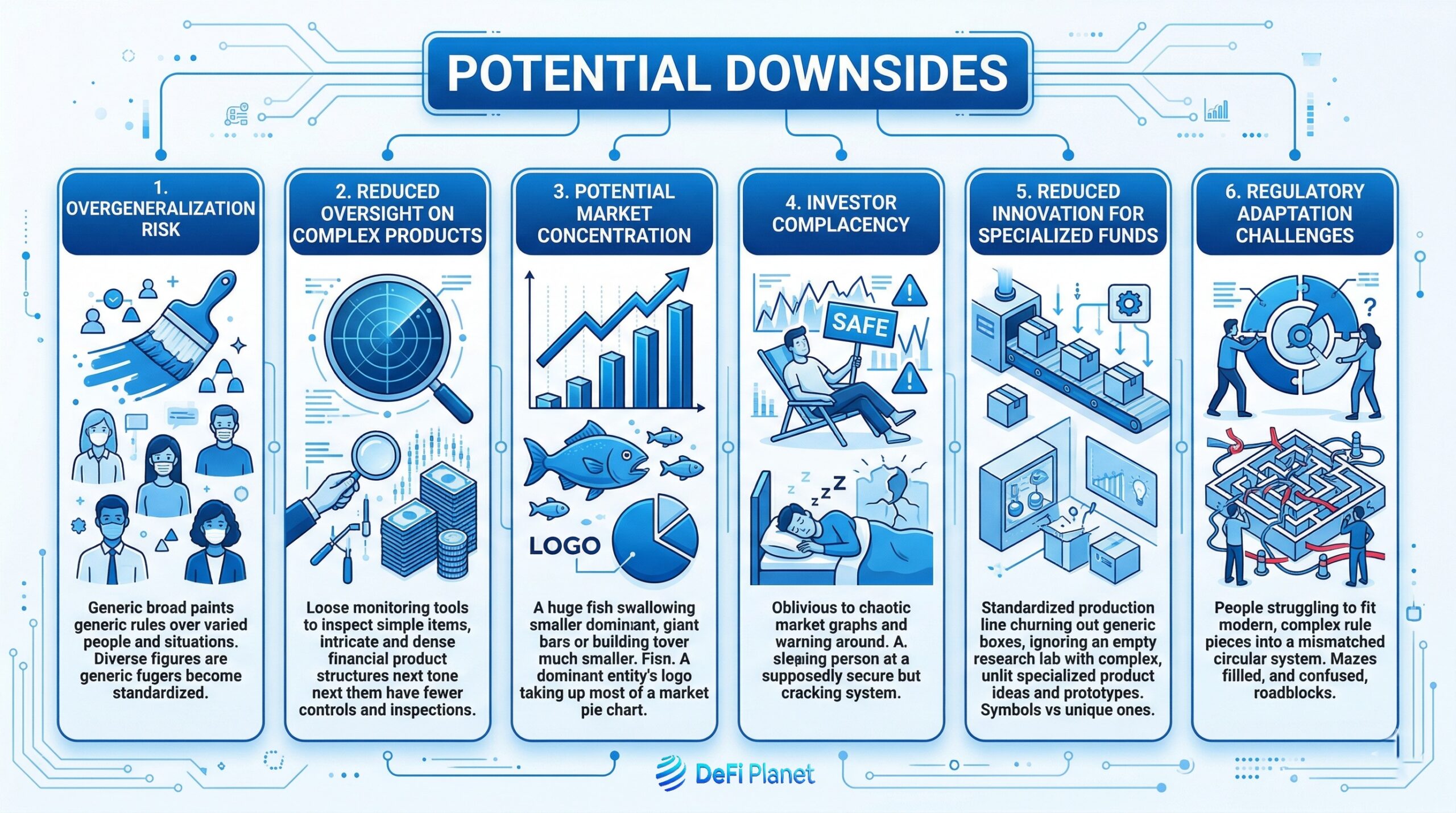
Overgeneralization risk
Generic standards apply uniform rules across all ETFs, which may not fully account for differences between crypto assets. Certain tokens or strategies may carry unique risks that a one-size-fits-all framework cannot address, leaving investors exposed to volatility, hacking, or liquidity issues.
Reduced oversight on complex products
ETFs that include derivative-based strategies, tokenized assets, or multi-asset baskets might require nuanced review. Generic standards could allow these products to be listed with less scrutiny than before, increasing the chance that complicated or high-risk instruments enter the market prematurely.
Potential market concentration
If many new ETFs track the same major crypto assets (like Bitcoin or Ethereum), broad standards could inadvertently encourage capital to cluster in a few high-profile products. This concentration may amplify systemic risk if one asset or fund faces issues, rather than spreading exposure across diverse instruments.
Investor complacency
Simplified approvals might create the impression that all listed ETFs are equally safe, even though risks vary. Retail investors could assume that a generic standard equals low risk, potentially encouraging overexposure to volatile assets without fully understanding them.
Reduced innovation for specialized funds
Generic rules may unintentionally discourage unique or niche crypto products that require tailored oversight. Fund managers might avoid developing innovative ETFs if they believe generic standards do not adequately capture complex strategies, limiting the diversity of available products.
Regulatory adaptation challenges
As crypto markets evolve, a rigid generic standard may struggle to keep pace with new asset types, technologies, or market structures. Regulators may need to frequently update rules to prevent loopholes or mismatches, which could create uncertainty for fund managers and investors alike.
The Outlook: Turning point or incremental step?
The SEC’s listing standards could mark a turning point for crypto investment products, making it faster and simpler for ETFs to reach both retail and institutional investors. By reducing bottlenecks and creating clearer rules, the new framework may broaden access, encourage market participation, and support the growth of mainstream crypto adoption.
At the same time, these changes are likely more of an incremental step than a complete overhaul. Risks remain, including potential investor misunderstandings, overconcentration in major assets, and gaps in oversight for complex products. How well regulators, fund managers, and investors adapt will determine whether this initiative becomes a true milestone or simply another stage in the ongoing evolution of crypto ETFs.
Disclaimer: This article is intended solely for informational purposes and should not be considered trading or investment advice. Nothing herein should be construed as financial, legal, or tax advice. Trading or investing in cryptocurrencies carries a considerable risk of financial loss. Always conduct due diligence.
Enjoyed this piece? Bookmark DeFi Planet, explore related topics, and follow us on Twitter, LinkedIn, Facebook, Instagram, Threads, and CoinMarketCap Community for seamless access to high-quality industry insights.
Take control of your crypto portfolio with MARKETS PRO, DeFi Planet’s suite of analytics tools.”