















































Quick Breakdown
- Tokenized real estate is moving away from speculative property tokens toward on-chain, yield-generating structures backed by real cash flows.
- New models favour debt instruments, pooled assets, and defined redemption mechanisms to improve comparability and liquidity.
- RWA.xyz’s real estate dashboard tracks 58 tokenized properties across seven blockchains, highlighting growing but still early-stage adoption.

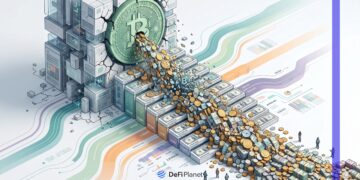
Tokenized real estate is re-emerging as a point of focus in crypto markets, but with a markedly different approach from earlier cycles, according to a new report from on-chain data platform RWA.xyz. Rather than emphasizing fractional ownership and speculative price appreciation, current models are increasingly designed around yield generation, standardized structures, and more precise exit mechanics.
Previous attempts to tokenize property during the 2018 and 2021 cycles struggled to gain lasting traction. While smaller token sizes improved access, secondary markets remained thin, and investors often faced limited liquidity. RWA.xyz notes that these outcomes highlighted a structural reality in on-chain markets.
— RWA.xyz (@RWA_xyz) January 21, 2026
From fractional ownership to on-chain cash flow
In the current cycle, issuers are prioritizing yield-bearing structures that resemble familiar on-chain financial instruments rather than open-ended equity tokens. Many offerings now focus on debt products with defined maturities, redemption schedules, and predictable cash flows sourced from rent or development strategies.
This shift aligns tokenized real estate more closely with on-chain private credit and money market products, which have seen growing adoption across decentralized finance. By tying returns to real-world income rather than token incentives, these structures aim to reduce reliance on speculative demand while offering more stable performance.
Standardization and market structure take priority
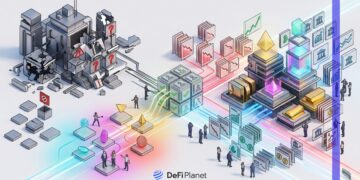
RWA.xyz identifies lack of standardization as the primary constraint on liquidity for tokenized real estate. Properties vary widely by jurisdiction, tenant mix, and legal framework, making on-chain comparability difficult. In response, newer platforms are pooling assets into diversified vehicles or issuing standardized instruments backed by multiple properties, improving fungibility across markets.
At launch, RWA.xyz’s real estate dashboard tracks 58 tokenized properties across seven blockchains, spanning debt, equity, and portfolio-based products. While secondary liquidity remains limited, the platform notes growing optimism as crypto markets place greater emphasis on structure, yield, and on-chain transparency.
Meanwhile, Solana enters 2026 with growing momentum, as RWA adoption on the network continues to climb. Data from RWA.xyz shows the total value of RWAs on Solana rose by nearly 10% last month.
If you would like to read more articles like this, visit DeFi Planet and follow us on Twitter, LinkedIn, Facebook, Instagram, and CoinMarketCap Community.
Take control of your crypto portfolio with MARKETS PRO, DeFi Planet’s suite of analytics tools.”