



















































Last updated on January 2nd, 2026 at 07:29 pm

Quick Breakdown
- SEC clarifies how existing securities laws apply to crypto custody, trading, and recordkeeping.
- Broker-dealer protections apply only to crypto assets classified as securities, excluding SIPC coverage for others.
- Guidance allows blockchain records and crypto ETF processes while maintaining compliance requirements.
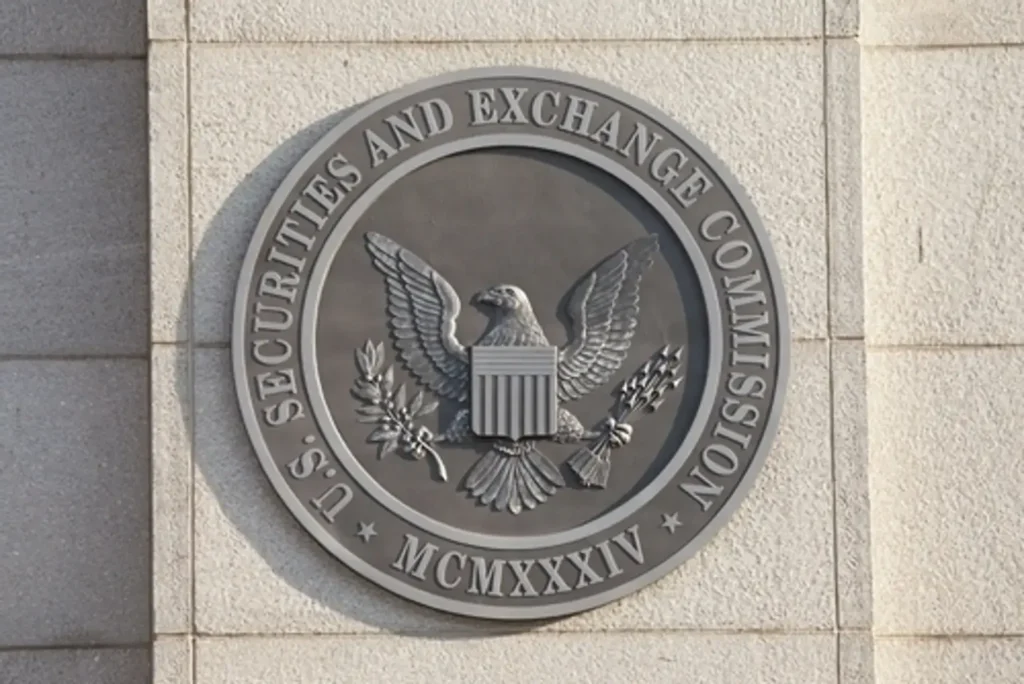
The U.S. Securities and Exchange Commission’s Division of Trading and Markets has released expanded guidance clarifying how federal securities laws apply to crypto asset activities, offering additional direction for broker-dealers, trading platforms, and market infrastructure providers operating in digital asset markets.
Issued as a new set of frequently asked questions, the guidance reflects the regulator’s latest attempt to address persistent industry uncertainty around custody, recordkeeping, and the treatment of blockchain-based assets.
Staff from our Division of Trading and Markets prepared FAQs relating to crypto asset activities and distributed ledger technology. https://t.co/x7rOhtx8fo
— U.S. Securities and Exchange Commission (@SECGov) December 18, 2025
Custody rules and limits of investor protection
The Division reaffirmed that Exchange Act Rule 15c3-3, which governs broker-dealer custody and financial responsibility, applies only to crypto assets that qualify as securities under federal law. Crypto assets that do not meet this definition fall outside the rule’s scope and are not protected by the Securities Investor Protection Corporation (SIPC).
As a result, customers holding non-security crypto assets at a broker-dealer would not be eligible for SIPC protection if the firm fails. However, SEC staff noted that broker-dealers may structure custody arrangements under Article 8 of the Uniform Commercial Code, which could help prevent customer assets from being included in a firm’s bankruptcy estate.
The guidance also clarifies that broker-dealers can establish “control” over crypto asset securities even when those assets are not held in certificated form. In addition, facilitating in-kind creations and redemptions for spot crypto exchange-traded products is not prohibited under existing net capital rules.
Trading, transfer agents, and blockchain records
On market structure, the SEC stated that national securities exchanges and alternative trading systems may facilitate trading pairs involving crypto asset securities and non-security crypto assets, provided they comply with applicable disclosure, reporting, and investor protection requirements.
The Division further confirmed that registered transfer agents may use distributed ledger technology as an official record of securities ownership, provided regulatory standards for accuracy, accessibility, and record retention are met.
The updated guidance builds on earlier SEC statements on the custody of tokenized securities. It reflects the agency’s broader effort to adapt traditional securities frameworks to emerging blockchain-based market infrastructure.
If you would like to read more articles like this, visit DeFi Planet and follow us on Twitter, LinkedIn, Facebook, Instagram, and CoinMarketCap Community.
Take control of your crypto portfolio with MARKETS PRO, DeFi Planet’s suite of analytics tools.”