




















































Quick Breakdown
- The G20 and Financial Stability Board warn that gaps in stablecoin reserves, DeFi oversight, and cross-border crypto activity pose growing risks to global financial stability.
- Regulatory approaches differ sharply across regions, with the EU’s MiCA offering structure, the U.S. remaining fragmented, and Asia showing mixed levels of support and restriction.
- Stronger, clearer regulation could boost investor trust and liquidity in Web3 markets, while poorly coordinated rules risk slowing innovation or pushing activity to friendlier jurisdictions.

The world of cryptocurrency and Web3 markets has grown faster than almost anyone expected, and millions of people are drawn to the freedom, innovation, and potential profits that digital currencies promise. As these markets grow, regulators are paying closer attention to the G20, a group of the twenty largest economies in the world, which recently issued warnings about crypto regulation. Their warnings are a clear sign that global financial leaders now see crypto as an important part of the global economy that cannot remain unregulated.
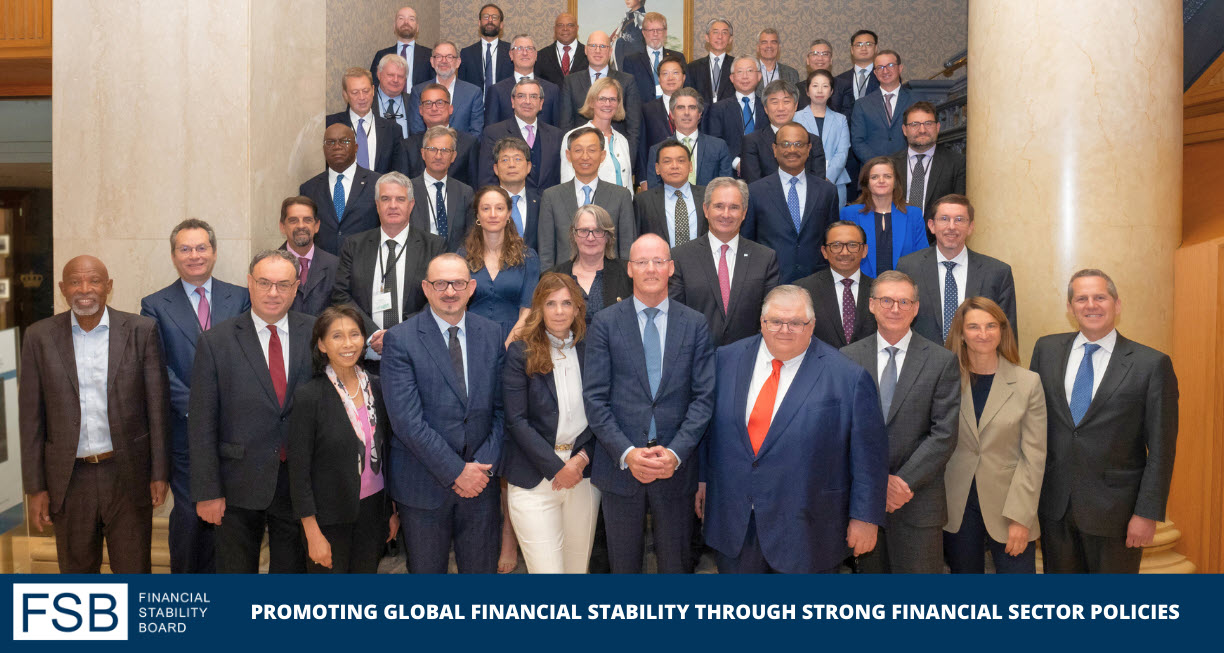
The Financial Stability Board, or FSB, plays a key role in this process because it is an international organization that monitors the stability of the global financial system and advises the G20 on potential risks. In recent reports, the FSB has highlighted gaps in the regulation of stablecoins, DeFi policy, and other aspects of Web3 markets. These gaps are not just theoretical because they could affect the security of financial systems, the confidence of investors, and the flow of global liquidity.
Key Regulatory Gaps Identified by the FSB
According to the FSB, the existing crypto regulation has a number of significant gaps, and stablecoins are among the most critical areas of concern. Stablecoins are digital currencies designed to maintain consistent value, usually pegged to existing traditional currencies such as the US dollar. They are very popular as a means of payment, trading, and a connector between various Web3 markets.
However, the FSB has noted that many stablecoins do not have fully transparent reserves or clear governance structures, and if a major stablecoin were to fail, the impact could ripple across Web3 markets and even affect traditional financial systems.
Another gap is the lack of oversight in DeFi platforms and DeFi policy, which covers decentralized finance applications, and is still evolving in most countries. DeFi platforms promise to remove middlemen and allow users to lend, borrow, and trade directly, but without clear crypto regulation, risks like fraud, market manipulation, and systemic failures increase. Problems in one DeFi platform can quickly affect other connected platforms, creating a chain reaction. The FSB warns that these interconnected risks make the current regulatory landscape inadequate for protecting users and global markets.
Cross-border crypto activity is also a major concern with Web3 markets operating globally and transactions moving easily between countries. National regulations often do not cover these international flows, creating opportunities for financial crimes and regulatory arbitrage. The FSB has called for stronger international cooperation and guidance to address these issues.
Regional Regulatory Contrasts
Different parts of the world are approaching crypto regulation in very different ways. In the United States, crypto regulation is still developing, and multiple agencies, including the Securities and Exchange Commission (SEC) and the Commodity Futures Trading Commission (CFTC), claim authority over different aspects of crypto. This has created confusion and unpredictability for businesses and investors. Court cases sometimes determine rules instead of clear legislation, adding more uncertainty.
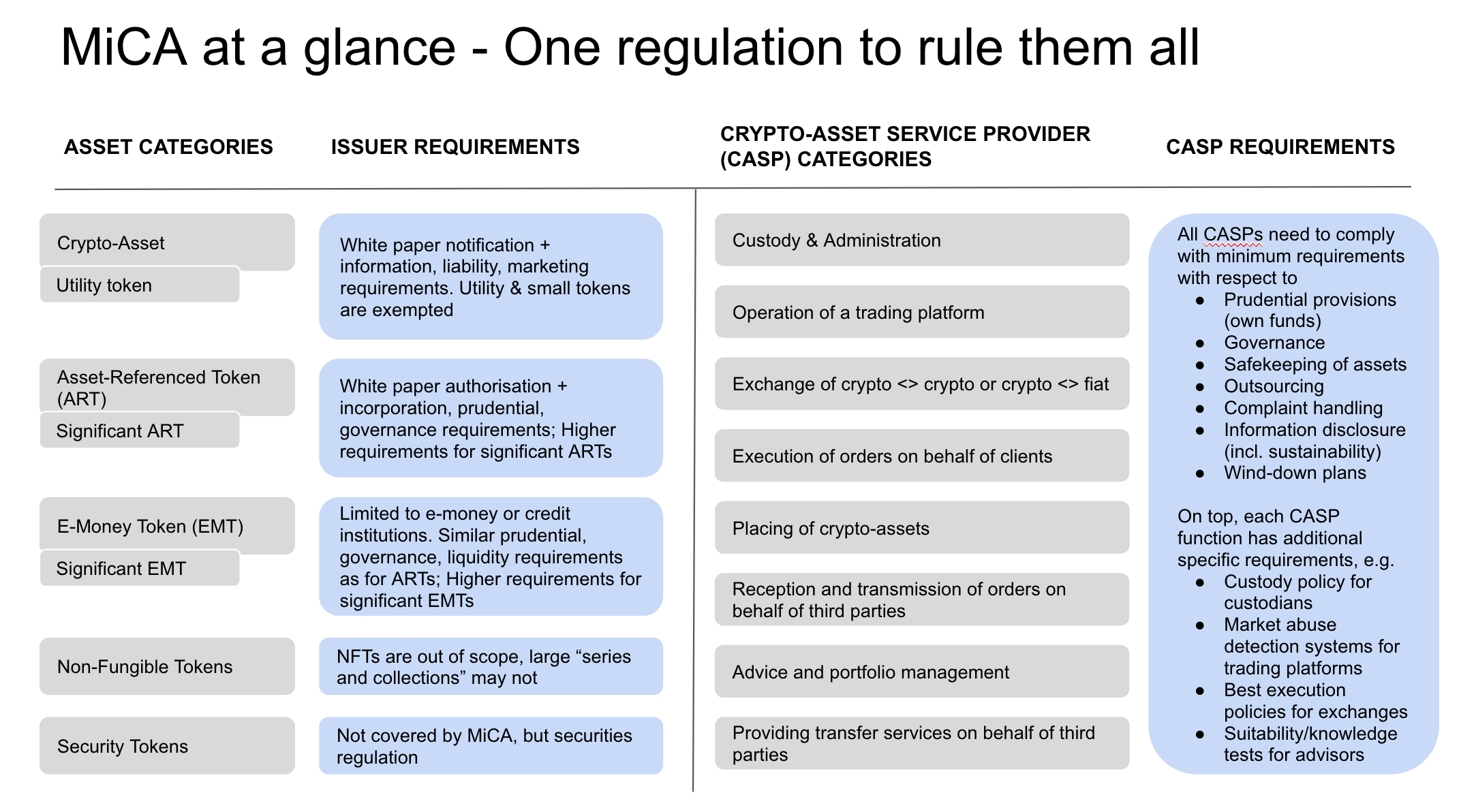
In contrast, the European Union has implemented a more structured approach. It has introduced Markets in Crypto Assets (MiCA), a detailed regulatory framework for stablecoins, crypto exchanges, and other digital assets. MiCA seeks to protect investors, ensure transparency, and provide predictable rules for companies operating in Web3 markets. While compliance costs might be high, the clear guidance makes Europe an attractive place for long-term projects.
Asia presents a mixed picture, with some countries encouraging crypto innovation by creating friendly environments for Web3 market developers, and others have taken restrictive stances due to concerns about financial stability, fraud, or capital outflows. These regional differences shape where companies build, where developers work, and where investors feel comfortable deploying capital. They also affect how stablecoins move across borders and how liquidity develops in DeFi platforms.
Impact on Investor Confidence and Liquidity
Warnings from the G20 and recommendations from the FSB have a direct impact on investor confidence in Web3 markets, and confidence is essential for any financial system. When rules are unclear or inconsistent, investors may hesitate to participate and may end up moving their capital to regions with clearer regulations or even withdraw from crypto markets entirely.
Stablecoins are a good example, and when you have users who do not trust that a stablecoin is fully backed or properly managed, they may stop using it. This reduces liquidity, which is the ability to buy or sell assets quickly without affecting prices, and such reduced liquidity can make Web3 markets more volatile and less attractive to new participants. On the other hand, clear crypto regulation and strong DeFi policy can improve trust. Investors who believe markets are fair and stable are more likely to provide liquidity, enabling Web3 markets to grow sustainably.
The G20’s focus on crypto regulation also signals to institutional investors that these markets are being taken seriously, and when global rules improve transparency and accountability, larger investors are more likely to enter Web3 markets. This could lead to higher trading volumes, more innovation, and stronger integration between traditional finance and digital assets.
In Conclusion,
The G20’s recent warning is a turning point that recognizes Web3 markets as a major part of the global financial system, with stablecoins, DeFi platforms, and crypto exchanges no longer being experimental. They now affect economies, investors, and global financial stability.
The challenge ahead will be balancing regulation and innovation, because too much regulation could slow down creativity and the development of Web3 markets, and too little could leave users and the financial system exposed to unnecessary risks. By paying attention to the G20 and the Financial Stability Board, the crypto community can prepare for a future where stablecoins are safer, DeFi policy is stronger, and Web3 markets can grow responsibly.
Regulation is coming whether the industry is ready or not, but the best approach is to engage with policymakers, adopt transparent practices, and continue innovating within the new rules. This will ensure that Web3 markets remain vibrant, secure, and trustworthy for years to come.
Disclaimer: This article is intended solely for informational purposes and should not be considered trading or investment advice. Nothing herein should be construed as financial, legal, or tax advice. Trading or investing in cryptocurrencies carries a considerable risk of financial loss. Always conduct due diligence.
If you want to read more market analyses like this one, visit DeFi Planet and follow us on Twitter, LinkedIn, Facebook, Instagram, and CoinMarketCap Community.
Take control of your crypto portfolio with MARKETS PRO, DeFi Planet’s suite of analytics tools.”