

























































South Korea is set to introduce a supervisory fee for cryptocurrency operators, calculated based on their operating revenue.

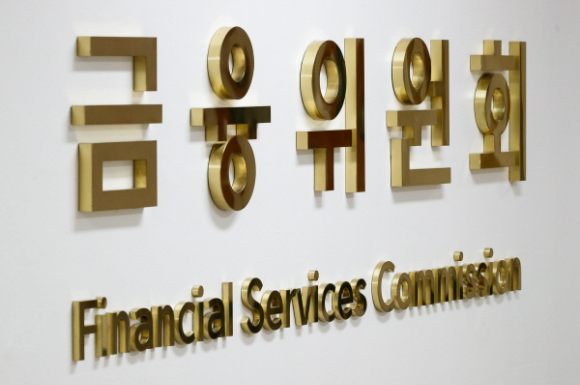
The Financial Services Commission (FSC) of South Korea has implemented the ‘Virtual Asset User Protection Act’ as of July 19. The act mandates that local crypto exchanges pay a regulatory fee of approximately 300 million won (around $220,240). The regulation applies to significant exchanges like Upbit, Bithumb, Coinone, and Gopax.
The FSC revealed on Thursday that these operators will be required to pay a supervisory fee as part of the updated ‘Enforcement Decree of the Act on the Establishment of the Financial Services Commission’ and the revised ‘Regulations on the Collection of Financial Institution Contributions.’ These contributions are tied to the exchanges’ operating revenue from the previous fiscal year, ensuring a proportionate financial obligation.
However, smaller platforms like Korbit, which reported operating revenue of roughly 1.7 billion won last year, are exempt from this fee.
An FSC official explained that the fees are akin to quasi-taxes paid by financial institutions, intended to cover the costs associated with regulatory oversight and services. Given the enforcement of the Virtual Asset User Protection Act, the regulator’s inspections, facilitated by these fees, are expected to commence immediately.
This new regulatory burden is anticipated to affect exchanges like Coinone and Gopax, which are already struggling with operational losses. The financial strain from these supervisory fees may pose additional challenges for these platforms as they navigate the evolving regulatory landscape.
Also Read: Bybit Named to Fortune Crypto 100 as It Accelerates Its Vision for The New Financial Platform
South Korea’s Financial Services Commission (FSC) has approved new regulations to enhance investor protection in response to growing concerns over cryptocurrency exchange bankruptcies. Announced on June 25, these rules will take effect on July 19 and require Virtual Asset Service Providers (VASPs) to segregate customer deposits from their operational funds, keeping them in trustworthy financial institutions. This initiative aims to increase investor safeguards, bolstering trust in South Korea’s digital asset market.
2026 fee rate falls by 40%
For 2026, the supervisory fee rate for cryptocurrency exchanges was set at 0.376% of operating revenue, down from 0.609% in 2025. That represents a reduction of roughly 40% in the applicable rate. However, the lower percentage does not necessarily mean exchanges will pay dramatically less in absolute terms.
The country’s largest exchanges continue to generate substantial revenue, meaning their supervisory contributions can still amount to billions of won. Dunamu, operator of Upbit, reported operating revenue of approximately 1.19 trillion won during the first three quarters of 2025, up 21.5% year over year.
The fees form part of the FSS’s broader funding structure, with supervisory charges collected from regulated financial institutions helping finance the regulator’s operations.
Registration requirements also became stricter in 2026
In January 2026, South Korea’s National Assembly approved amendments allowing the Korea Financial Intelligence Unit (KoFIU) to conduct criminal-record checks on major shareholders of virtual-asset service providers.
The changes were designed to prevent individuals with problematic backgrounds from gaining control of companies seeking to operate in the country’s crypto market and the amendments took effect in August.
Under the updated framework, scrutiny now extends beyond a company’s representative and executives to include major shareholders, controlling shareholders and other individuals with significant influence over the business.
Enjoyed this? Bookmark DeFi Planet, explore related topics, and follow us on Twitter, LinkedIn, Facebook, Instagram, Threads, and CoinMarketCap Community for seamless access to high-quality industry insights
Take control of your crypto portfolio with DEFI PLANET PRO, DeFi Planet’s suite of analytics tools.