









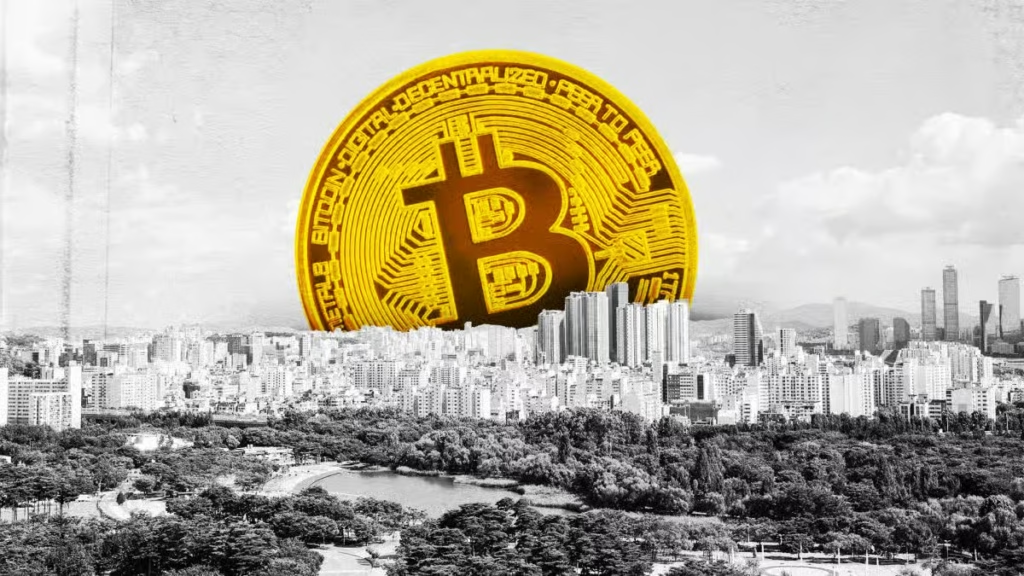
Starting in December 2026, South Korea will require local crypto exchanges to report users who have transferred digital assets overseas since July 19, 2024. Under the updated rules, exchanges must submit daily and monthly reports to the Bank of Korea about these transactions.

해외 코인 거래소 한번이라도 썼으면
내 통장 잔고 싹 다 털리는 이유이거 진짜 선 넘은거 같음
한국은행 업무편람에 나온 내용인데
해외 가상자산 거래 한번이라도 한 사람들
보유 내역이랑 잔액 개인정보까지 매달 들여다보겠다고 함그냥 의심 거래 잡는 수준이 아니라 사실상 전국민 계좌 감시
시스템 돌리겠다는 소리임코인으로 탈세 잡겠다는 핑계 대면서 개인 지갑이랑
거래 내역 하나하나 다 까보겠다는건데이게 진짜 자유 국가 맞나 싶음
결국 정부 통제 벗어나려고 만든 비트코인인데
국가가 앞장서서 빅브라더 찍고 있음조금씩 야금야금 개인 자유 갉아먹다가 나중엔 숨쉬는것까지 감시할 기세임
해외 거래소 쓰는 사람들 진짜 긴장해야 할듯
— 핑구돌이 (@juhyeon6749) October 23, 2026
The new rules go beyond investigations into specific suspicious transactions. Domestic crypto exchanges must report users’ personal information, resident registration numbers, and total crypto holdings, including dormant and staked assets. The requirement could affect roughly 1.2 million users who have transferred digital assets overseas since July 19, 2024.
South Korea’s Ministry of Finance and Economy says the reporting requirements aim to prevent illegal foreign exchange transactions and tax evasion. However, opposition lawmaker Park Soo-young has criticized the scale of the data collection, raising concerns about the amount of personal financial information authorities will receive.
The policy divided the online crypto community. User S1991Kimtxm viewed the move as a threat to South Korea’s democracy and personal freedom, calling for a return to democratic principles and criticizing Chinese Communist Party influence.
READ ALSO: South Korea Blocks 27 Offshore Crypto Exchanges
User supernovajunn also questioned the policy, arguing that collecting account information without users’ consent amounted to excessive government surveillance.
중국도 혀를 내두르겠네.. ㅋㅋㅋㅋㅋㅋㅋㅋㅋㅋㅋㅋㅋㅋㅋ
중국 공산당도 기업이나 영향력 있는 사람들한테는 저런 경우가 꽤 많은데 (물론 알게모르게 다 하겠지만)
대놓고 그냥 너네 계좌 전부 들여다 보겠어 하는것은 경악을 금치못하겠네 ㅋㅋㅋㅋㅋ 1,300만 절반이래도 600만인데
계좌 추적 한다는거잖아 본인동의 없이 ㅋㅋㅋㅋㅋ— Cognac(꼬냑) (@supernovajunn) October 23, 2026
In contrast, gimgyeongs53737 argued that government access to financial records was nothing new, pointing out that South Korea’s real-name banking system already allows authorities to trace financial transactions.
해외 코인 거래소 한번이라도 썼으면
내 통장 잔고 싹 다 털리는 이유이거 진짜 선 넘은거 같음
한국은행 업무편람에 나온 내용인데
해외 가상자산 거래 한번이라도 한 사람들
보유 내역이랑 잔액 개인정보까지 매달 들여다보겠다고 함그냥 의심 거래 잡는 수준이 아니라 사실상 전국민 계좌 감시
시스템 돌리겠다는 소리임코인으로 탈세 잡겠다는 핑계 대면서 개인 지갑이랑
거래 내역 하나하나 다 까보겠다는건데이게 진짜 자유 국가 맞나 싶음
결국 정부 통제 벗어나려고 만든 비트코인인데
국가가 앞장서서 빅브라더 찍고 있음조금씩 야금야금 개인 자유 갉아먹다가 나중엔 숨쉬는것까지 감시할 기세임
해외 거래소 쓰는 사람들 진짜 긴장해야 할듯
— 핑구돌이 (@juhyeon6749) October 23, 2026
Meanwhile, user sunheeyoon linked the reporting requirements to South Korea’s plans for a central bank digital currency (CBDC), expressing concern that greater financial visibility could eventually give the government more control over how people use their money.
중국도 혀를 내두르겠네.. ㅋㅋㅋㅋㅋㅋㅋㅋㅋㅋㅋㅋㅋㅋㅋ
중국 공산당도 기업이나 영향력 있는 사람들한테는 저런 경우가 꽤 많은데 (물론 알게모르게 다 하겠지만)
대놓고 그냥 너네 계좌 전부 들여다 보겠어 하는것은 경악을 금치못하겠네 ㅋㅋㅋㅋㅋ 1,300만 절반이래도 600만인데
계좌 추적 한다는거잖아 본인동의 없이 ㅋㅋㅋㅋㅋ— Cognac(꼬냑) (@supernovajunn) October 23, 2026
South Korea’s crypto reporting rules raise privacy and compliance concerns
The government requiring records of past transactions limits the financial privacy of citizens who have not broken any laws. This may also create an administrative issue for trading platforms, forcing them to build entirely new data-sharing infrastructures to funnel information directly to the National Tax Service, the Customs Service, and the Financial Intelligence Unit.
The policy also raises questions about how the government will protect the records it collects. If this information is leaked or shared beyond its intended purpose, it could expose users to fraud, financial scams, or unwanted scrutiny. Exchanges will also have to protect the growing volume of customer data they are required to submit.
At the same time, the Bank of Korea is preparing to expand its digital currency trials. The second phase of Project Hangang, approved by the Financial Services Commission on July 15, 2026, involves nine banks and up to 500,000 users.
Asian governments are tightening crypto rules across regions
South Korea is adopting a regulatory strategy used by neighbouring Asian economies. While South Korea relies on administrative reporting requirements, India uses taxation to achieve the same surveillance goal.
The Indian government currently imposes a mandatory 1 per cent Tax Deducted at Source (TDS) on every single crypto transaction and legally forces offshore exchanges to register with its domestic Financial Intelligence Unit. China banned decentralized cryptocurrency trading years ago while forcefully rolling out the e-CNY, its own highly surveilled digital currency.
Meanwhile, South Korean President Lee Jae Myung has confirmed a coordinated cyberattack targeting the country’s financial sector. He has ordered government agencies to send personnel and resources immediately to contain the damage.
Enjoyed this? Bookmark DeFi Planet, explore related topics, and follow us on Twitter, LinkedIn, Facebook, Instagram, Threads, and CoinMarketCap Community for seamless access to high-quality industry insights.
Take control of your crypto portfolio with DEFI PLANET PRO, DeFi Planet’s suite of analytics tools.