
























































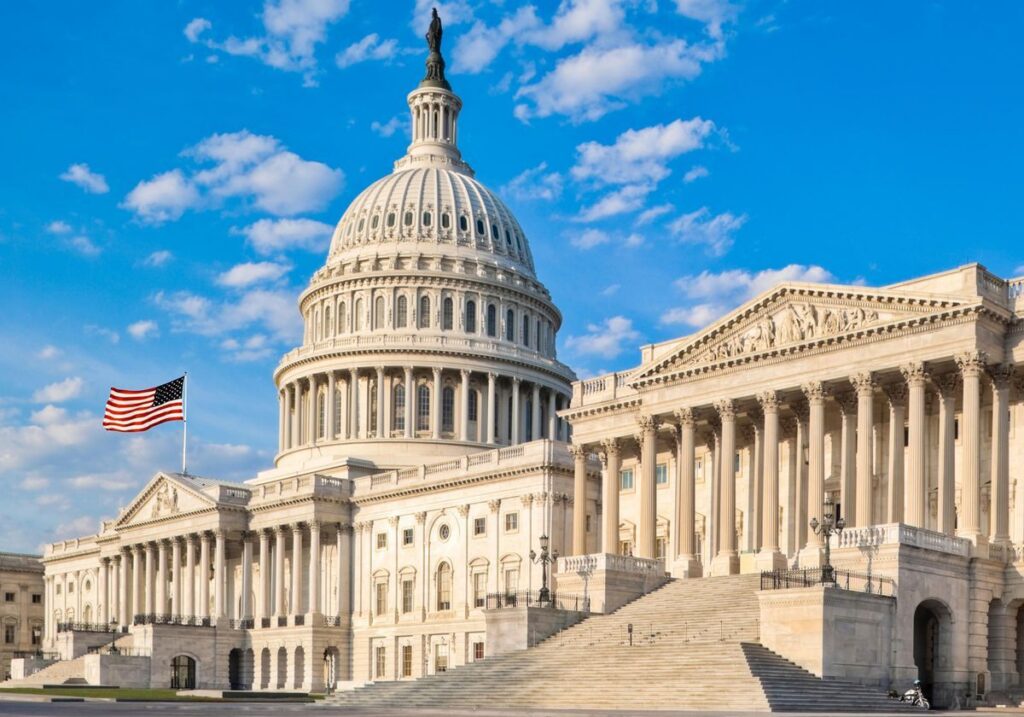
The United States Senate has advanced a bipartisan bill that could allow President Donald Trump to impose tariffs of up to 100% on countries that continue buying large volumes of Russian oil and gas. India is a major focus because Russian crude has become a key part of its energy supply. The Senate voted 86-12 to move the legislation forward, but it still needs further votes before it can reach the House.

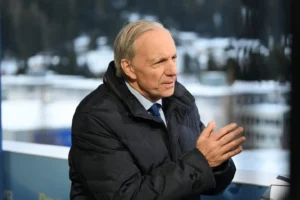
JUST IN: US Senator Blumenthal claims that India cut purchases of Russian oil by 50% after Trump imposed 25% tariffs on India.
pic.twitter.com/ZKXnBC1sd4— Crypto India (@CryptooIndia) July 29, 2026
Why India is more exposed than China
India’s dependence on Russian crude has increased as disruptions in Middle Eastern supplies have made alternative sources harder and more expensive to secure. Russian oil accounted for about 41% of India’s crude imports in June, while imports from Russia reached a record 2.64 million barrels per day, according to ship-tracking data. This leaves New Delhi facing a difficult choice between maintaining access to a major source of affordable crude and protecting its trade relationship with Washington.
China is also among the countries that could face the proposed tariffs, but India’s position is especially sensitive because its Russian oil purchases have grown alongside disruptions to supplies from the Middle East. New Delhi has defended its buying decisions on energy security and cost grounds, while also increasing plans to source more LPG from the US. The latest United States pressure could therefore add another layer to India’s effort to balance energy needs with its relationship with Washington.
Could India reduce Russian oil imports without driving up energy costs?
Replacing Russian crude would not be simple, as India’s refiners would need to secure more supplies from the Middle East, the US and other producers, potentially at higher prices and with longer shipping routes. Recent disruptions have already pushed Indian refiners toward Russian and Latin American crude, showing how quickly geopolitical events can change the country’s supply mix.
For India, a sharp reduction in Russian purchases could raise import costs and put pressure on fuel prices and the country’s trade balance. If economic pressure from higher oil costs or trade restrictions leads to weaker market sentiment, crypto trading activity in India could be affected. At the same time, any increase in financial or geopolitical uncertainty could renew interest in crypto as an alternative way to move and store value, although the immediate effect would likely depend on how India responds to the sanctions and how severely they affect its energy costs.
Meanwhile, Trump’s tariff policy has already shown how quickly trade tensions can spill into crypto markets. In early 2025, Bitcoin fell alongside stocks as investors reacted to new U.S. tariffs and growing fears of a trade war and weaker global growth.
Enjoyed this? Bookmark DeFi Planet, explore related topics, and follow us on Twitter, LinkedIn, Facebook, Instagram, Threads, and CoinMarketCap Community for seamless access to high-quality industry insights
Take control of your crypto portfolio with DEFI PLANET PRO, DeFi Planet’s suite of analytics tools.