


























































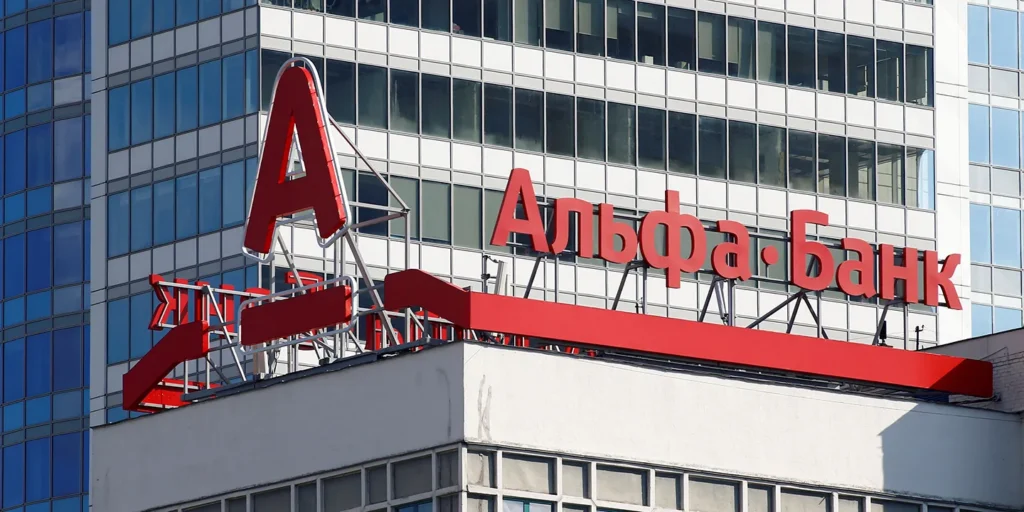
Russia’s largest private lender, Alfa-Bank, plans to offer cryptocurrency services once the country’s new digital asset law takes effect, another step toward regulated crypto adoption in the country.

According to the bank’s Chief Operating Officer, Dmitry Vitman, Alfa-Bank intends to create its own digital depository that will support crypto-related services for both its customers and other businesses. The bank also plans to develop investment products based on public blockchains to attract foreign investors.
Vitman said the project depends on Russia’s cryptocurrency legislation, which has received final approval from the State Duma but has not yet taken effect.
🇷🇺 Alfa-Bank, plus grande banque privée de Russie, prévoit de proposer des services liés aux crypto-actifs après l’entrée en vigueur de la nouvelle législation russe.
➡️ La banque souhaite obtenir une licence de conservation d’actifs numériques et développer des produits… pic.twitter.com/k0z0jRSn5m
— Journal du Coin (@LeJournalDuCoin) July 9, 2026
Under the proposed framework, digital depositories will be responsible for monitoring customer crypto transactions and blocking transfers to wallet addresses that are not approved under Russian rules. Vitman said retail crypto brokerage services could begin operating in late 2026 or early 2027, although he does not expect meaningful market liquidity until the end of 2027.
Russian banks prepare for crypto custody
Alfa-Bank is not the only financial institution preparing for the new rules. Earlier, Sberbank announced plans to launch a digital depository and integrate a crypto wallet into its mobile banking and investment apps after the law comes into force.
T-Bank has also disclosed plans to provide cryptocurrency buying and selling services under the same regulatory framework. The developments suggest Russia’s largest banks are positioning themselves ahead of the country’s regulated crypto market instead of waiting for demand to develop.
READ ALSO: Russia Opens Criminal Case Against Telegram CEO Pavel Durov
Why are banks rushing to build crypto custody before demand arrives?
Banks in several countries have followed a similar strategy. Germany’s banks began applying for crypto custody licenses before institutional demand reached current levels. For instance, Commerzbank received a crypto custody license in Germany, while Switzerland’s regulated banks built digital asset custody services regulated by the Swiss Financial Market Supervisory Authority (FINMA) before crypto investing became mainstream among traditional clients.
The same pattern appears to be emerging in Russia. Instead of competing on token listings or trading fees, major banks are building the infrastructure needed to store digital assets, verify customer transactions, and meet regulatory requirements from the start. Once the law takes effect, institutions with custody systems already in place can begin offering services immediately instead of spending months building compliance tools.
Previously, the Bank of Russia postponed the mass rollout of its central bank digital currency (CBDC), the digital ruble, as authorities work to refine the pilot program and ensure a robust economic framework for banks and their customers.
Enjoyed this? Bookmark DeFi Planet, explore related topics, and follow us on Twitter, LinkedIn, Facebook, Instagram, Threads and CoinMarketCap Community for seamless access to high-quality industry insights.
Take control of your crypto portfolio with DEFI PLANET PRO, DeFi Planet’s suite of analytics tools.