




















































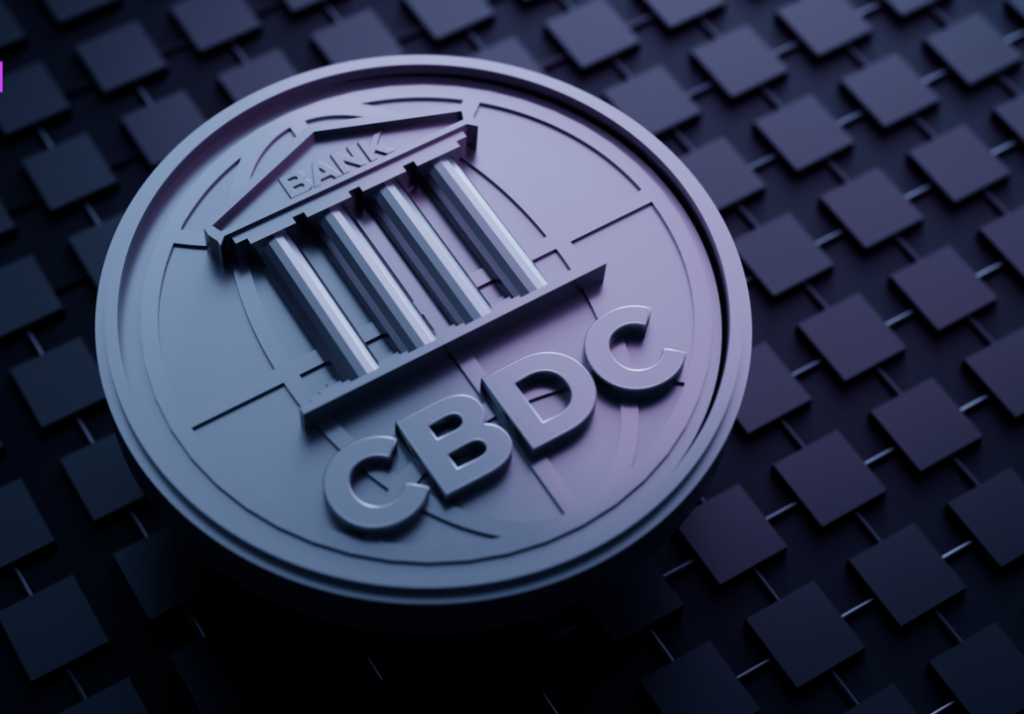
South Korea has set 2027 as the target for a pilot project that will connect tokenized government bonds to its wholesale central bank digital currency (CBDC) infrastructure, marking a major step in bringing blockchain technology into the country’s capital markets.

The plan was included in the government’s 2026 Economic Growth Strategy for the Second Half, released on Tuesday. The strategy also said authorities will examine ways to make the Bank of Korea’s (BOK) CBDC platform compatible with other blockchain networks, allowing external distributed ledgers to connect with the central bank’s permissioned system.

The pilot will look at whether the wholesale CBDC, designed for financial institutions, can support the issuance, settlement and broader operation of tokenized financial assets beyond digital payments.
What will the 2027 pilot test?
The government has not disclosed which government bonds will be used, the size of the pilot, participating institutions or the blockchain technology that will power the project. It also remains unclear whether the trial will include bond issuance, secondary-market trading or only post-trade settlement.
The initiative follows comments made by Bank of Korea Governor Hyun Song Shin at the European Central Bank Forum on Central Banking on July 1. Shin described government bonds as one of the biggest opportunities for tokenization and proposed placing tokenized bonds, wholesale central bank money and tokenized commercial bank deposits on a single digital ledger through the BOK-led Project Hangang.
READ ALSO: Global RWA Regulation Splits Into Two Tracks as Tokenized Markets Expand
South Korea expands blockchain and digital asset plans
The bond pilot is part of the government ‘s strategy to build the country’s blockchain and digital asset industry. Officials said they will introduce additional measures during the second half of 2026 to support large-scale blockchain demonstrations and encourage the development of digital asset technologies.
Meanwhile, the Bank of Korea also cautioned that blockchain-based financial markets also introduce new risks. It said continuous settlement could spread market stress more quickly, while smart contracts, liquidity management and data oracles present additional operational challenges. The central bank also noted that Project Hangang’s digital ledger and its existing payment infrastructure are not yet connected in real time.
The strategy also includes plans to advance legislation covering digital asset businesses and stablecoins as South Korea continues to build its regulatory framework for the sector.
How does this fit into South Korea’s tokenization roadmap?
The government expects the CBDC bond pilot to align with the launch of South Korea’s regulated token securities market.
Amendments recognizing distributed ledgers as official securities registries are scheduled to take effect in February 2027. The changes will allow regulated issuance and trading of tokenized securities, including government bonds, stocks and money market products.
Meanwhile, South Korea’s government plans to introduce the long-awaited Digital Asset Framework Act in the second half of 2026, alongside measures supporting stablecoins, spot Bitcoin exchange-traded funds (ETFs), and blockchain-based financial infrastructure.
Enjoyed this? Bookmark DeFi Planet, explore related topics, and follow us on Twitter, LinkedIn, Facebook, Instagram, Threads and CoinMarketCap Community for seamless access to high-quality industry insights
Take control of your crypto portfolio with DEFI PLANET PRO, DeFi Planet’s suite of analytics.