




















































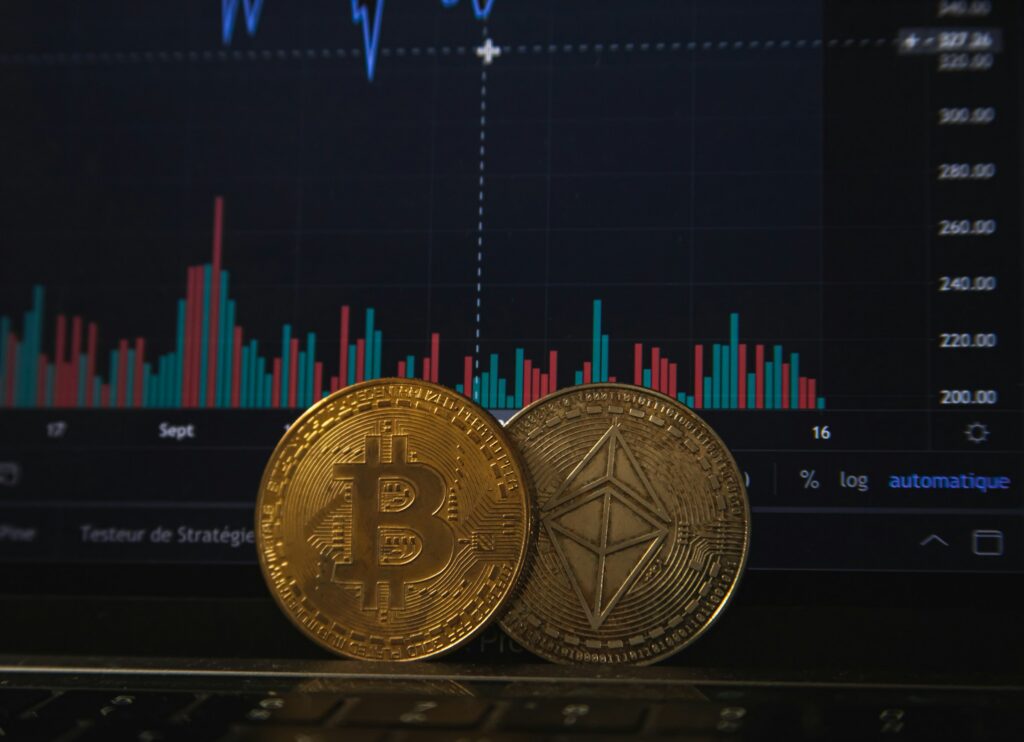
South Korea crypto remittances jump 380% in three years, surpassing banks as overseas money transfers and financial markets face growing pressure, with stocks dropping more than 10% in a sharp tech-led selloff that has raised concerns about wider market weakness across Asia.

🇰🇷 BREAKING: South Korea stocks crash 10%+ as tech selloff deepens. Worst drop in years. Risk of contagion to Asian markets looms. Is this the start of a broader correction? pic.twitter.com/3KBzHUX1ES
— Dino Vibes Daily (@DinoLeadingNews) June 23, 2026
Data from major banks shows that the five largest commercial banks processed about $1.091 trillion in overseas remittances in 2022. At average exchange rates, this equals roughly 1,318 trillion won. By last year, that figure rose to about $1.108 trillion, or around 1,590 trillion won. This represents an increase of about 20% over three years.
Over the same period, remittances through won-based virtual asset exchanges grew far more quickly. Volumes increased from 34.01 trillion won in 2022 to 163.54 trillion won last year, a jump of about 380%. The difference in growth rates shows how quickly crypto-based transfer channels are expanding alongside traditional banking rails.
Lower fees and faster settlement support growth in crypto remittances
A key reason behind the increase is the difference in transaction costs and processing speed. A bank transfer of about $20,000 (around 30 million won) costs roughly 25,000 won in fees. Sending the same amount through Bitcoin on a domestic exchange costs around 19,000 won, and the fee does not rise with the size of the transfer.
This pricing structure makes larger transfers more attractive through virtual asset exchanges. Users also benefit from faster settlement compared to traditional banking systems, which often involve more intermediaries and longer processing times.
Analysts say this combination of lower and more predictable fees is encouraging more individuals and businesses to test crypto-based transfer routes for cross-border payments.
ALSO READ: South Korea’s Ruling Party Pushing for 2025 Rollout of New Crypto Tax Rules Despite Opposition
Banks and fintech firms adjust as blockchain-based payments gain usage
Financial institutions are responding by expanding interest in blockchain-based settlement tools and stablecoin-related services. Toss Bank has signed a remittance partnership with the Solana Foundation, while Shinhan Financial Group and IBK are also looking at digital asset settlement models and stablecoin-related initiatives.
Traditional banks still handle most global remittances, but virtual asset transfers are growing quickly and forcing financial firms to rethink how cross-border payments work. The gap between banking systems and blockchain networks is narrowing as both compete in the same settlement space.
While traditional banks still handle the largest share of global remittances, the faster growth in virtual asset transfers is pushing financial firms to reassess how cross-border payments are structured. The overlap between banking systems and blockchain rails is becoming more visible as both compete in the same settlement space.
Enjoyed this? Bookmark DeFi Planet, explore related topics, and follow us on Twitter, LinkedIn, Facebook, Instagram, Threads, and CoinMarketCap Community for seamless access to high-quality industry insights
Take control of your crypto portfolio with DEFI PLANET PRO, DeFi Planet’s suite of analytics tools.