




















































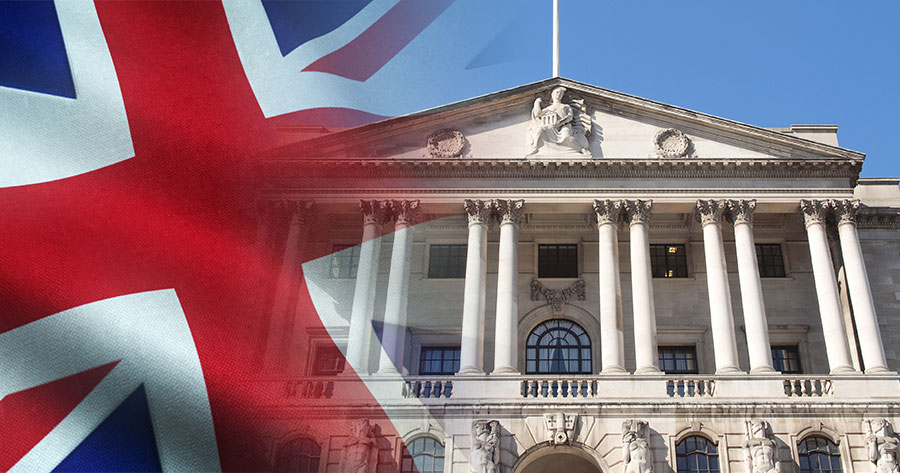
The Bank of England has softened parts of its proposed stablecoin regulations in its final policy and draft rules, showing a change as the UK tries to balance innovation with financial stability.

The updated framework removes earlier plans to cap how much individuals can hold in stablecoins. Instead, the central bank will now limit total issuance per stablecoin, with an initial cap £40 billion.
The BoE also eased rules on reserve backing. Issuers will now be allowed to hold up to 70% of backing assets in short-term government debt, up from the previously proposed 60%. The remaining reserves must still be held in non-interest-bearing central bank deposits.
🏦 Is the UK finally opening the door to stablecoins? 💷
JUST NOW: The @bankofengland has softened its stablecoin rules after conceding they were too strict clearing regulated UK stablecoins to operate from 2027.
Key changes: the £20,000 individual holding cap is gone,… pic.twitter.com/Xtll9BFmTK
— Times of Blockchain (@TimesOfBlockC_) June 22, 2026
Deputy Governor for Financial Stability Sarah Breeden said the changes are aimed at supporting “greater choice and innovation in UK payments” while maintaining trust in digital forms of money.
Peter Daunton, Chief Product Officer, Sokin, and Ruslan Kolodiazhnyi, SVP, AI & Crypto, Sokin, have shared their views with DeFi Planet on what the proposals could mean for the future of sterling-backed stablecoins and the UK’s competitiveness as a destination for digital asset innovation.
“The Bank of England’s decision to update its approach is an important step toward enabling the UK to meaningfully compete in the stablecoin market. Stablecoins have evolved beyond being a niche crypto product to becoming part of mainstream financial infrastructure. With hundreds of billions in circulation and transaction volumes exceeding traditional card networks, regulation needs to balance financial stability with enabling innovation.”
“By taking a more pragmatic regulatory approach, the UK moves a step closer to competing with markets like the U.S. and creating an environment where sterling-backed stablecoins can grow. As digital currencies become another channel through which national currencies are distributed globally, ensuring GBP is embedded within this next generation of financial infrastructure will be critical in maintaining the pound’s international relevance and competitiveness.”
– Peter Daunton, Chief Product Officer, Sokin
“If the UK wants to open its fintech market to new technology and become the main player it once was, the government and the FCA should focus on creating a better environment for private capital to invest in stablecoin-based innovation, rather than pursuing CBDC options. The market works best when there’s ground for private initiative to grow, not when the state runs long-lifting projects. That’s the direction the Bank of England is heading, but it’s still half-measures compared to what the U.S. is doing, or even what the pioneers of MiCA regulation in the EU have already achieved.”
– Ruslan Kolodiazhnyi, SVP, AI & Crypto, Sokin
Effort to balance innovation and banking stability
Stablecoins are digital assets designed to maintain a fixed value, usually linked to traditional currencies. They have grown quickly in recent years, especially for cross-border payments and trading activity in crypto markets such as USDT and USDC.
The Bank of England said it remains cautious about risks, especially the possibility that stablecoins could pull deposits away from traditional banks. Such a change could affect lending and credit conditions in the economy.
In a latest 30th June update, the UK’s Financial Conduct Authority (FCA) has finalized its long-awaited crypto regulatory framework, setting out new rules for trading platforms, stablecoin issuers, custodians and other digital asset businesses ahead of a mandatory authorization regime that begins on October 25, 2027.
Related: UK FCA Finalizes Crypto Rules as Mandatory Licensing Begins in 2027
Anthony Yeung, Chief Commercial Officer of CoinCover, has shared his view on the recent developments with DeFi Planet, saying:
“The Bank of England and the Financial Conduct Authority’s joint approach to regulating systemic stablecoin issuers reflects a more balanced framework for supporting the growth of stablecoins while managing financial stability risks. As stablecoins become more widely used for payments, it is right that regulators consider how growth could affect bank deposits and credit provision, while ensuring innovation is not unnecessarily constrained.
“But financial stability is only one part of the trust equation. As adoption accelerates, institutions and consumers also need confidence that digital assets can be securely accessed, managed and recovered when things go wrong. Lost credentials, compromised wallets and failures in key management remain persistent risks that can undermine confidence in the ecosystem.
“The framework rightly recognises the importance of clear roles, responsibilities and coordinated action in stressed or time-sensitive situations but sustainable adoption will depend on operational resilience. Alongside clear rules for stablecoin issuers, the industry also needs secure key management and transparent recovery mechanisms that give institutions and consumers confidence their assets remain protected. Having a universal method to ensure wallet recovery is easily done when the worst happens is crucial.”
Policy easing comes as political and financial pressure grows
The updated stablecoin framework comes at a time when the country is also dealing with leadership uncertainty following the resignation of UK Prime Minister Keir Starmer, adding to discussions around economic direction and regulatory priorities.
At the same time, global regulators are moving in different directions on digital assets. While some regions are tightening oversight, others are creating clearer frameworks to attract stablecoin issuers and blockchain-based payment firms.
The Bank of England’s revised stance suggests a more flexible approach compared to earlier proposals, showing that stablecoin regulation is increasingly being shaped by competition between jurisdictions as well as concerns over financial stability.
With the global stablecoin market now valued at $288 billion and forecast to reach $2 trillion in the coming years, crypto advocates argue Britain must adopt a more competitive framework to maintain its place as a global financial hub.
Enjoyed this? Bookmark DeFi Planet, explore related topics, and follow us on Twitter, LinkedIn, Facebook, Instagram, Threads and CoinMarketCap Community for seamless access to high-quality industry insights.
Take control of your crypto portfolio with DEFI PLANET PRO, DeFi Planet’s suite of analytics tools.