




















































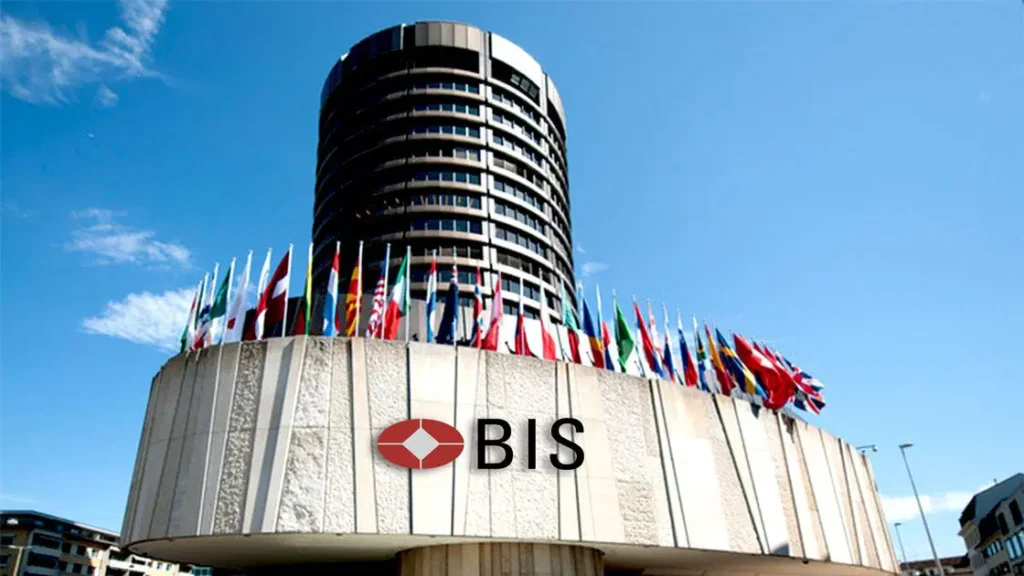
The Bank for International Settlements (BIS) has raised fresh concerns over the rapid growth of stablecoins, warning that their increasing adoption could pose risks to global financial stability if left unchecked. Speaking at a seminar hosted by the Bank of Japan in Tokyo, BIS General Manager Pablo Hernández de Cos emphasized the need for stronger international coordination to regulate these digital assets.

Pablo Hernández de Cos lays out the opportunities and challenges around stablecoins and the case for international cooperation on regulation in a speech @Bank_of_Japan_e https://t.co/AFq9tyPTMg pic.twitter.com/l6EIATHuG0
— Bank for International Settlements (@BIS_org) April 20, 2026
De Cos cautioned that US dollar-backed stablecoins such as Tether (USDT) and USD Coin (USDC) could have “material consequences” for both monetary policy and financial systems if they scale to rival traditional currencies. While acknowledging their advantages, such as faster cross-border payments and seamless integration with blockchain-based applications, he stressed that current frameworks fall short of what is required for a reliable global payment instrument.
Stablecoins behave more like investment products
According to De Cos, leading stablecoins exhibit characteristics closer to investment vehicles than cash. He pointed to redemption conditions, associated fees, and instances where these tokens trade below or above their pegged value in secondary markets. These features, he argued, make them resemble exchange-traded funds more than stable, cash-like assets.
The BIS chief also highlighted underlying structural risks. Stablecoin issuers typically back their tokens with reserves such as short-term government bonds and bank deposits. In times of financial stress, large-scale redemptions could force issuers to liquidate these assets quickly, potentially amplifying market volatility or transmitting liquidity pressure to the banking system.
Additionally, De Cos noted that stablecoins operating on public, permissionless blockchains, often accessed through unhosted wallets, can fall outside traditional Anti-Money Laundering and Counter-Terrorism Financing frameworks. Without targeted safeguards at entry and exit points, this could increase their appeal for illicit financial activities.
Europe and global regulators tighten oversight
The BIS warning comes amid growing global scrutiny of stablecoins. In Europe, policymakers are pushing for stricter oversight, including limiting the use of non-Euro stablecoins in everyday transactions. Officials are also considering measures to reduce regulatory loopholes that could emerge during periods of financial stress.
Meanwhile, authorities in the United Kingdom are evaluating the potential impact of stablecoins on bank deposits and financial stability, while Switzerland is exploring regulated blockchain-based payment systems through pilot programs.
As stablecoins continue to evolve, regulators worldwide appear increasingly aligned on one point: stronger, coordinated frameworks will be essential to balance innovation with financial stability.
Enjoyed this piece? Bookmark DeFi Planet, explore related topics, and follow us on Twitter, LinkedIn, Facebook, Instagram, Threads, and Coin MarketCap Community for seamless access to high-quality industry insights.
“Take control of your crypto portfolio with DeFi Planet PRO, DeFi Planet’s suite of analytics tools.”